Two years after the release of the Huawei Watch D2, the brand has introduced an upgraded model, the D3. The D series was pioneering in bringing blood pressure monitoring capabilities to a smartwatch, offering a straightforward method to track this vital health metric without requiring a separate dedicated monitor.
While the previous D2 model received strong praise for its blood pressure monitoring and innovative strap, it was noted for its bulky design, high price, and limited smartwatch features. Huawei has made efforts to address some of these concerns with the D3, but not all have been fully resolved. Consequently, the D3 is not positioned among the top smartwatches overall, but as a medical-first device, it effectively integrates lifestyle and health aspects.
Medical Focus and Certification
The D3 is primarily designed as a medical device rather than a general fitness tracker or running watch, a fact underscored by its CE-MDR certification. This commitment to medical reporting often necessitates prioritizing function over aesthetics, particularly evident in its blood pressure monitoring system.
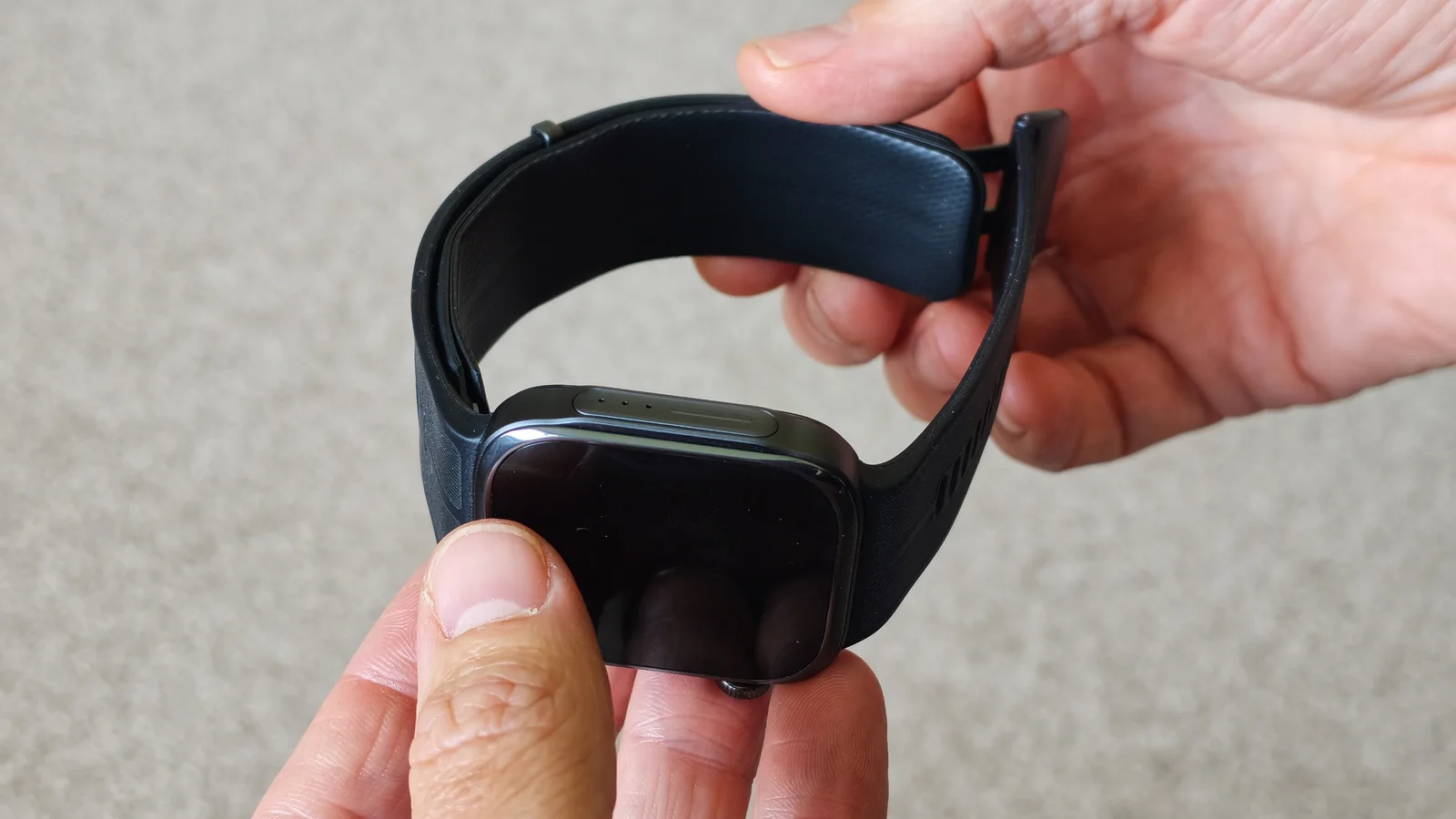
To facilitate ambulatory blood pressure monitoring, the D3 incorporates a mechanical airbag and pressure sensor within the strap. Although Huawei has reduced the airbag's thickness compared to the D2, its presence still compromises the comfort typically found in smartwatches lacking this specialized hardware.
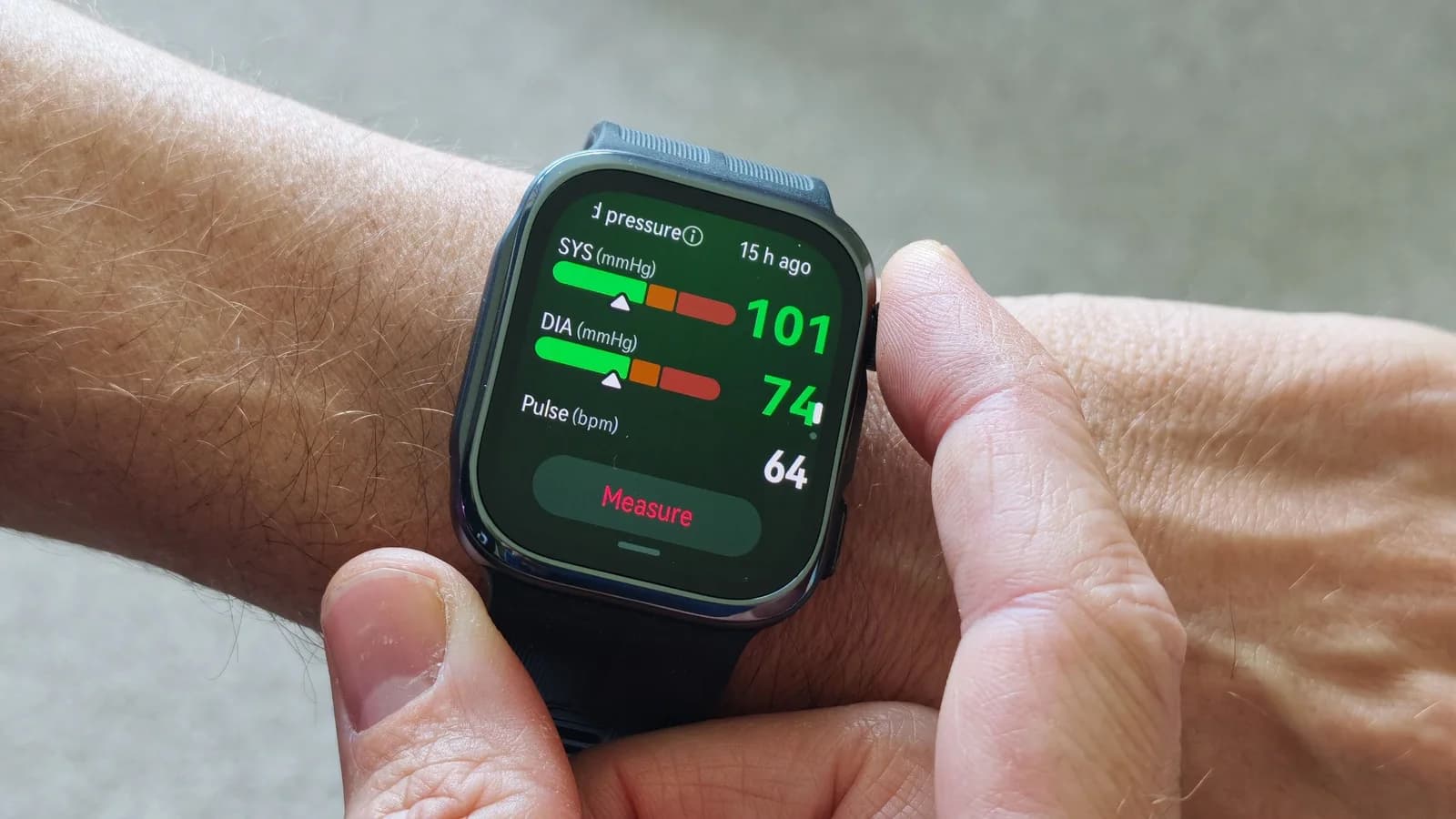
Recognizing that single measurements are insufficient for trend analysis, the device includes an auto-reminder feature for consistent data capture. Over several days, the source reviewer observed how blood pressure fluctuated throughout the day and established average performance. The Huawei Health app also allows for easy generation of reports to share with medical professionals.
Comprehensive Health Tracking
Beyond blood pressure monitoring, which is the D3's standout feature, the watch offers additional health tracking capabilities, including pulse wave arrhythmia analysis and beat-by-beat ECG. While the source reviewer noted repeated poor signal issues with ECG measurements during testing, the arrhythmia analysis functioned flawlessly.
Design and Comfort Considerations
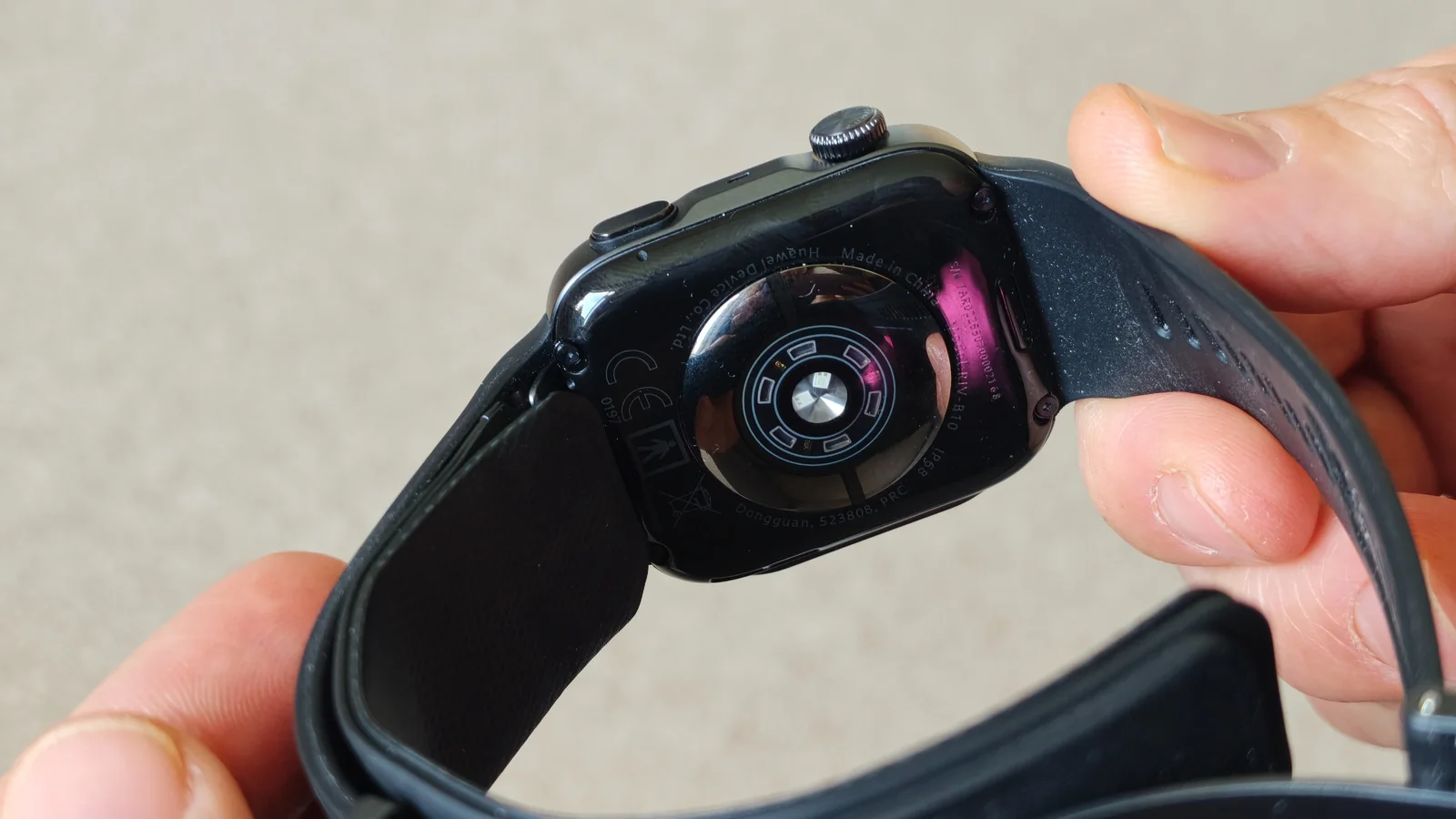
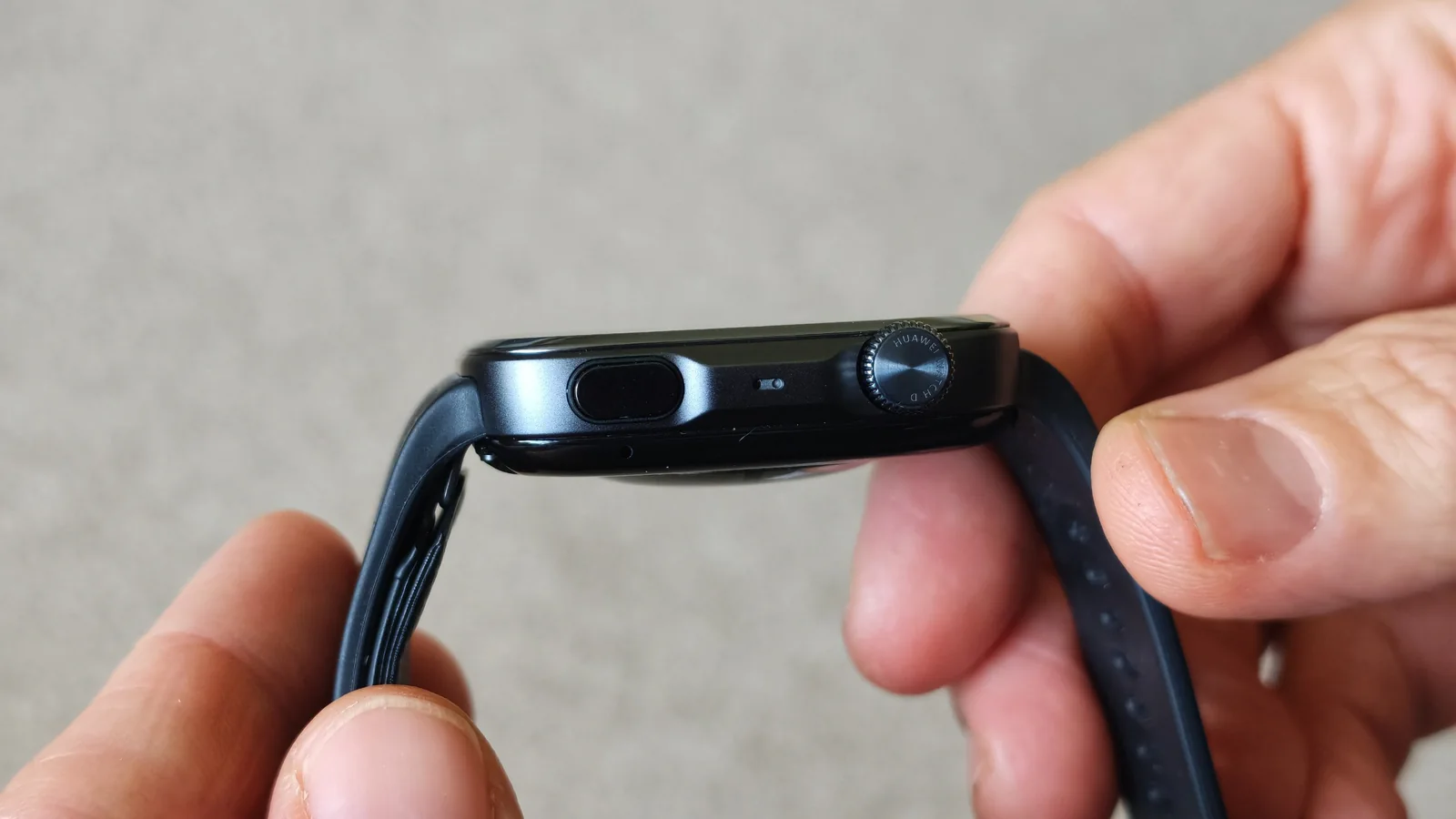
Huawei has made efforts to reduce the watch's overall bulk, trimming 2mm from its thickness to achieve 11.3mm. However, this measurement does not account for the sensor, which protrudes from the bottom and, despite its smooth surface, can feel somewhat uncomfortable on the wrist.
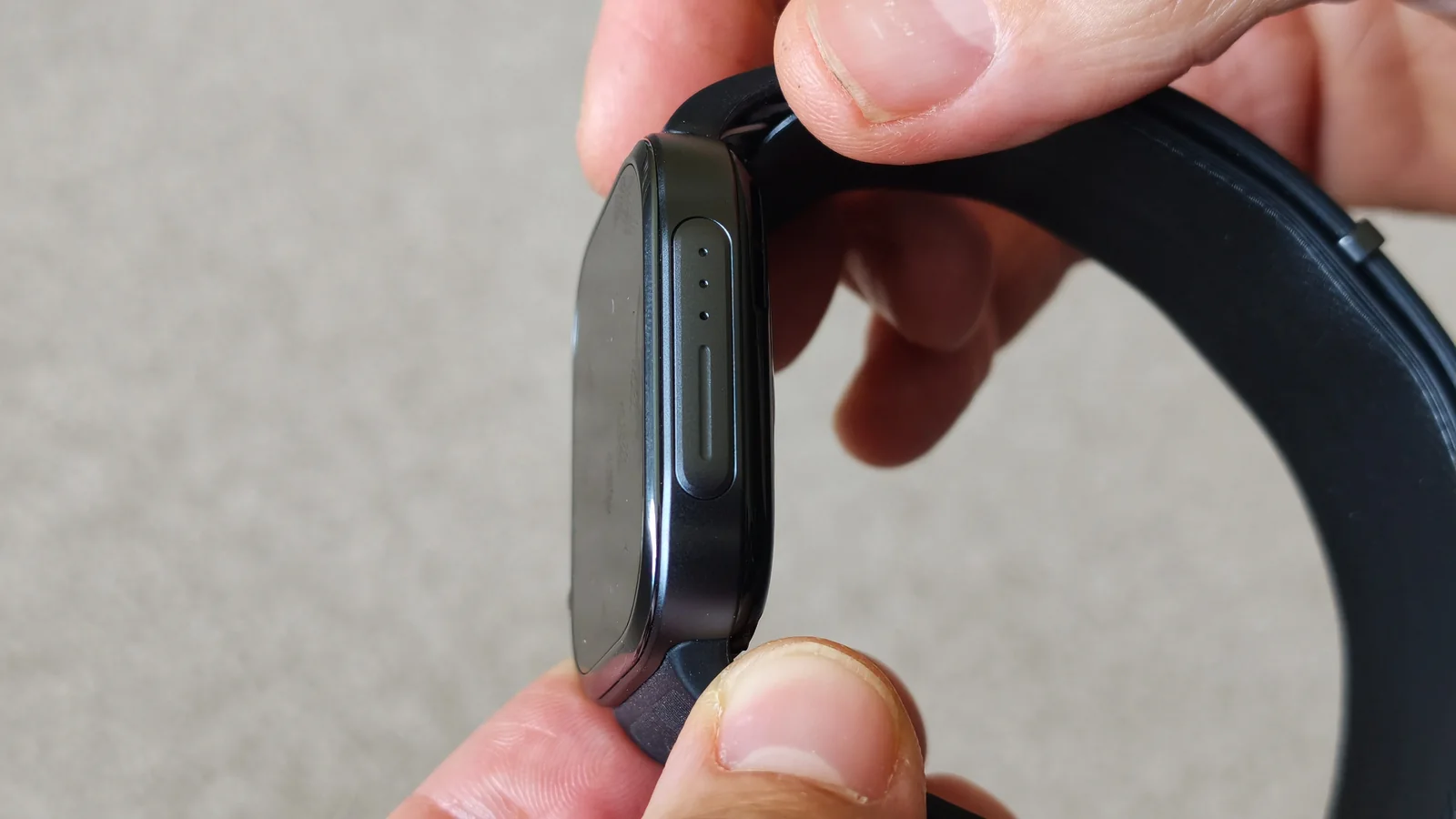
The watch features an enlarged 1.92-inch AMOLED display, boasting 3000 nits of peak brightness. This display is colorful, vibrant, and offers excellent visibility in both indoor and outdoor conditions. A notable drawback, however, is the significant black strip between the screen's edge and the surrounding case, creating unused space where an edge-to-edge display would enhance the aesthetic.
Smart Features and Workout Modes
While medical reporting is the D3's priority, it also includes over 100 workout modes and a robust suite of smart features. These encompass notifications, Bluetooth calling, NFC payments, and voice note recording, which collectively enhance the watch's utility as an everyday companion.
Pricing and Market Position
The D3 is priced higher than its predecessor, the D2, at launch. This positions it as a premium device within a niche market. The source review notes that this pricing strategy may make it less appealing to users not specifically seeking its core medical functionalities.
The D3 clearly targets a very specific demographic. For individuals concerned about or wishing to monitor their blood pressure, it presents an effective solution. The trade-off involves a watch that is bulkier and less comfortable than many other smartwatches of its size. Nevertheless, the D3 is commendable for its unique cuff-based solution, especially when compared to other devices, such as Apple Watches, which focus on hypertension detection via LEDs.