Introduction
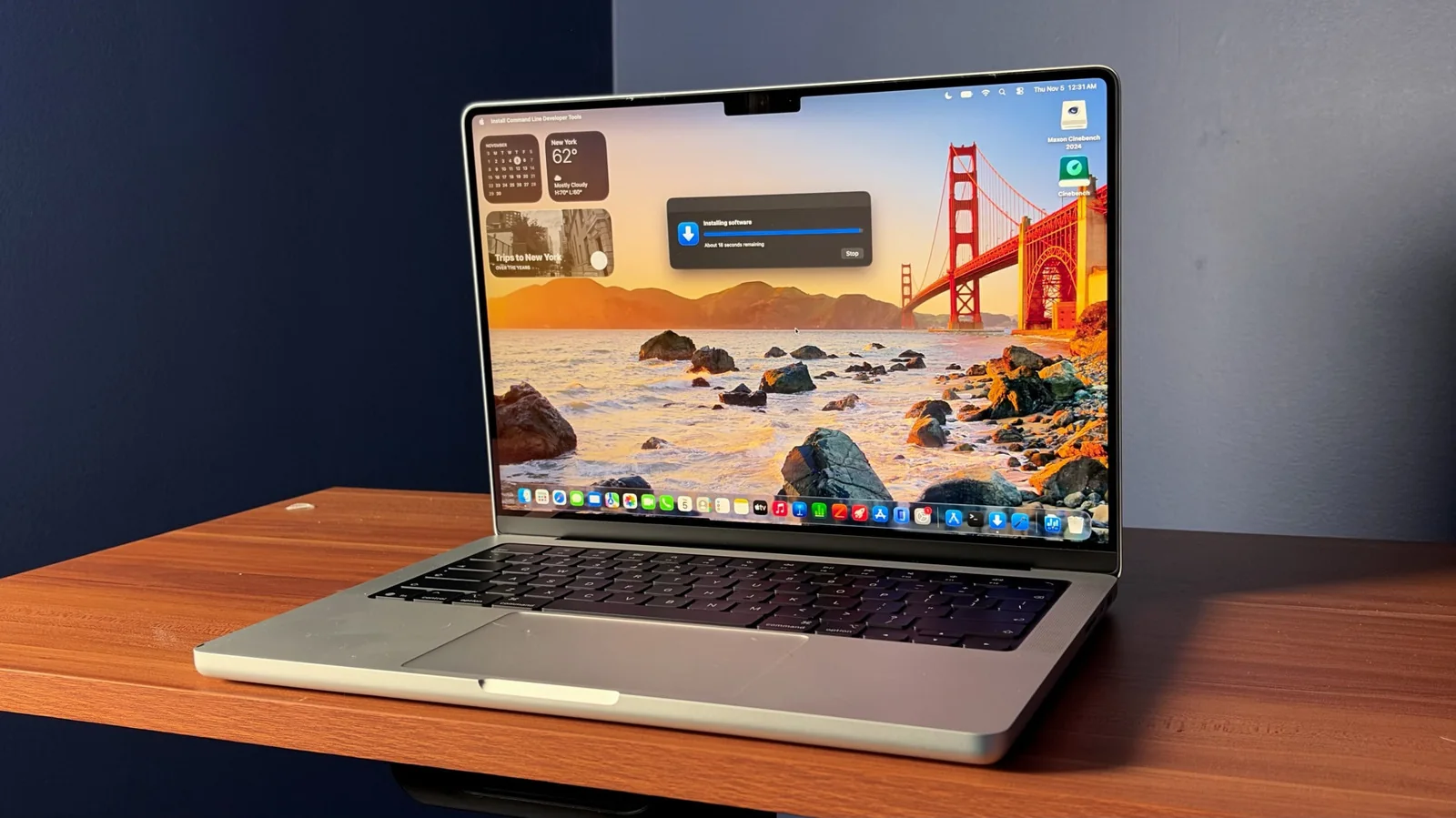
The new MacBook Pro with an M6 chip arrives alongside Apple's higher-end touchscreen-equipped PROLED XDR models. While those premium systems may capture the spotlight, the entry-level 14-inch MacBook Pro remains a critical part of the lineup.
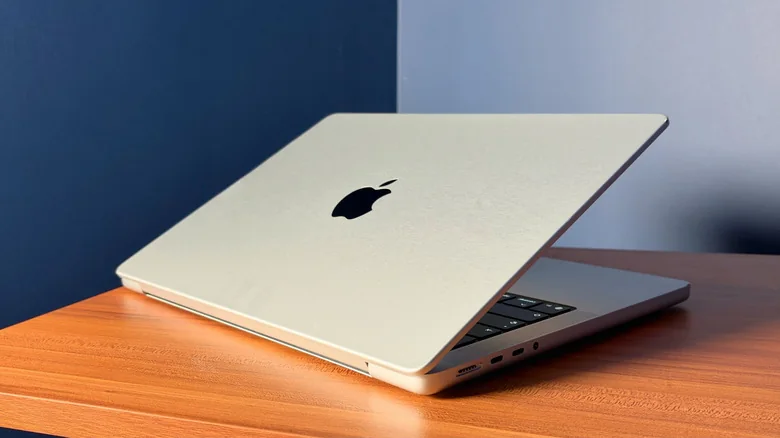
The M6 MacBook Pro retains the familiar design of its predecessors. At a starting price of $1,999, it serves as a compelling alternative to more expensive models featuring OLED touchscreens, offering high-end performance in a proven chassis.
What's new with the MacBook Pro M6?
Devindra Hardawar for Engadget
The M6 chip features a 12-core CPU and 12-core GPU, providing a slight boost over the M5's 10-core configuration. It incorporates two super cores, four performance cores, and six efficiency cores. Additionally, the inclusion of dual 16-core neural engines doubles the AI task performance compared to the previous generation.
Apple's benchmarks indicate modest gains, such as improved 3D rendering and gaming performance. However, these incremental updates suggest that users of the M5 MacBook Pro do not need to upgrade immediately.
For users requiring more power or higher memory bandwidth, the M5 Pro or Max chips remain the top-end options, as faster M6 variants have not yet been released. The base M6 model supports up to 32GB of RAM.
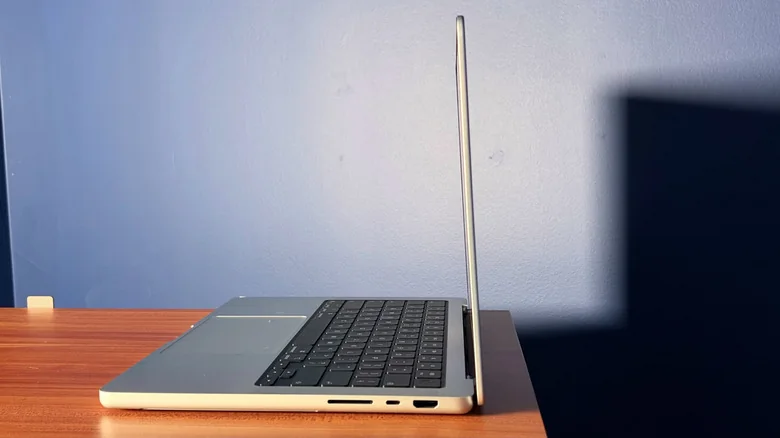
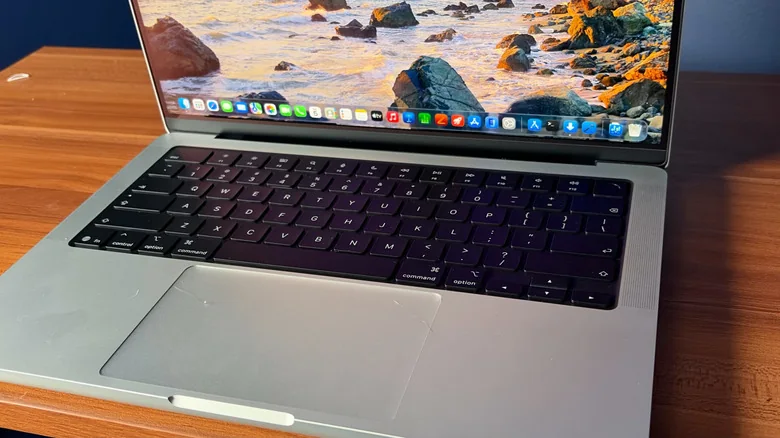
The 14-inch model retains the MiniLED Liquid Retina display with 120Hz ProMotion, a sturdy unibody construction, and a full suite of ports including Thunderbolt 4, HDMI, and an SD card slot.
While the hardware design is established, it continues to set a high standard for build quality in the laptop market.
In-use: Faster, but not noticeably
Devindra Hardawar for Engadget
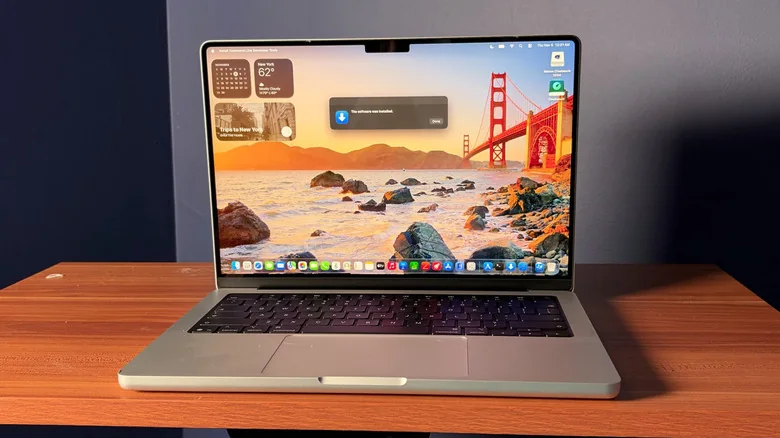
In daily workflows, the M6 MacBook Pro with 16GB of RAM and a 1TB SSD performs reliably and quickly, consistent with the high standards of the MacBook Pro line.
Geekbench 6 testing shows minor improvements in CPU performance, while GPU performance saw a more significant jump compared to the M5 system. Cinebench R24 results also reflect a roughly 30 percent increase in multi-threaded performance.
Gaming performance is improved, with titles like Lies of P showing higher frame rates at maximum resolution, though these gains are often subtle during actual gameplay.
The MiniLED display remains excellent for media consumption and outdoor use, providing sufficient brightness and clarity without the need for a touchscreen.
Battery life remains a strength, with the device lasting over nine hours in simulated professional workflows.
Should you buy the M6 MacBook Pro?
Devindra Hardawar for Engadget
Despite a price increase, the 14-inch M6 MacBook Pro remains the most accessible professional laptop in Apple's current lineup. It is highly capable for content creation and demanding tasks.
Users considering an upgrade to the M5 Pro chip should weigh the cost against the benefits of the redesigned PROLED models, which offer a lighter chassis and potentially better value at higher price points.
Wrap-up
Devindra Hardawar for Engadget
The M6 MacBook Pro is a solid, reliable machine that represents a significant step up from the MacBook Air. While it offers few revolutionary changes, it remains one of the best laptops available for professional users today.