A Refined Design
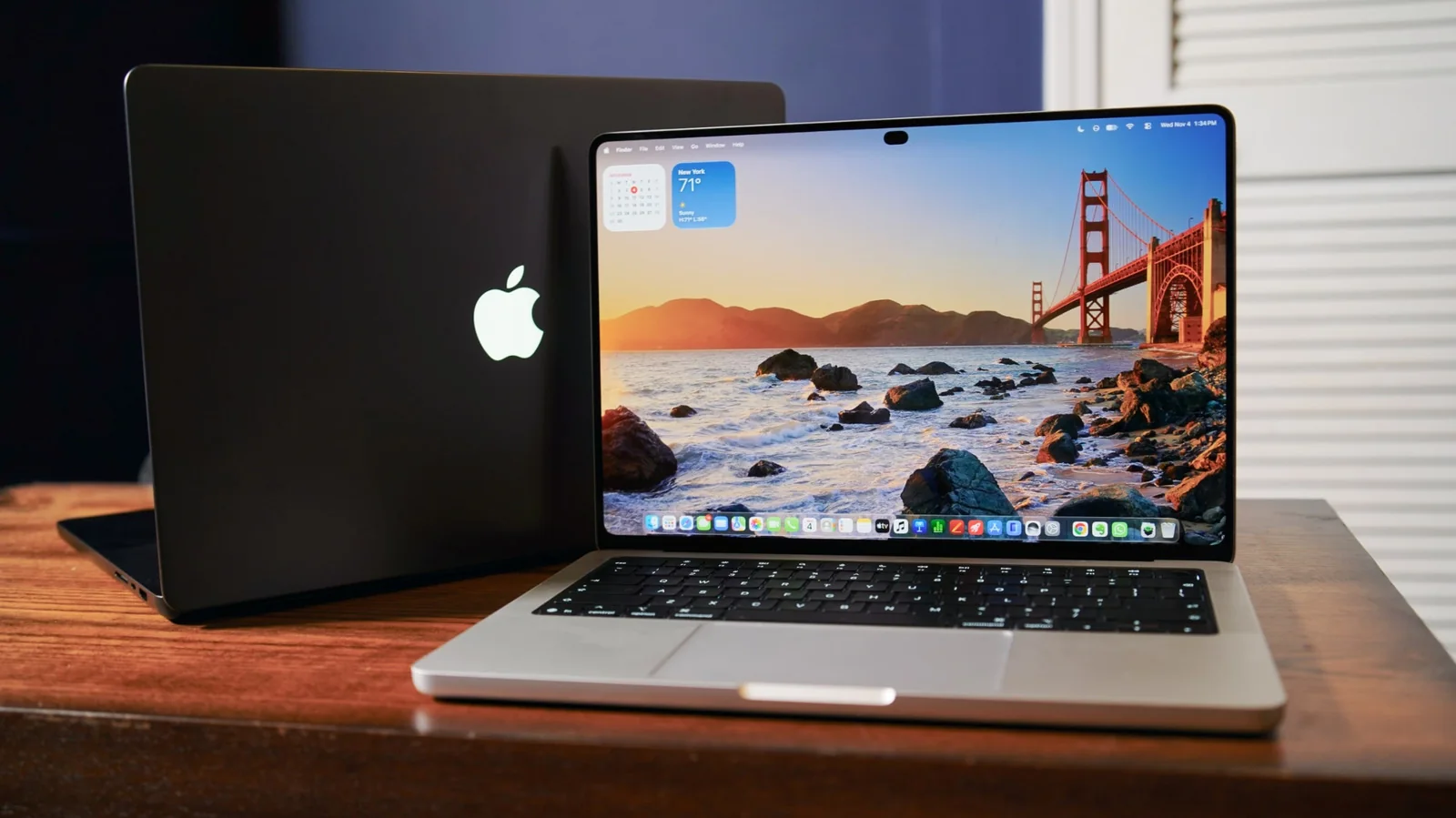
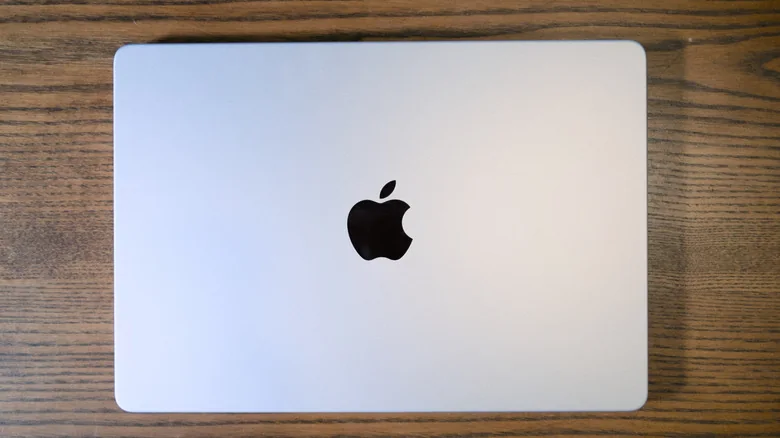
The new MacBook Pro with PROLED XDR Display is a total redesign of Apple's premium laptops. Both models are slimmer and lighter: the 14-inch model weighs 3 pounds, down from 3.7 pounds, while the 16-inch model drops from 4.7 pounds to 4 pounds. It also marks the first time the MacBook Pro has been graced with OLED screens, which are colorful and immersive.
These new machines are significantly more expensive. The 14-inch starts at $2,899, while the 16-inch PROLED model costs $3,399.
In a time when computers already cost more due to price increases for RAM and storage, it is notable that Apple has released its most expensive laptops yet. While there is a market for the sleekest hardware, the value proposition remains a point of contention.
What's notable about the MacBook Pro with PROLED XDR Display?
Devindra Hardawar for Engadget
The PROLED XDR Display
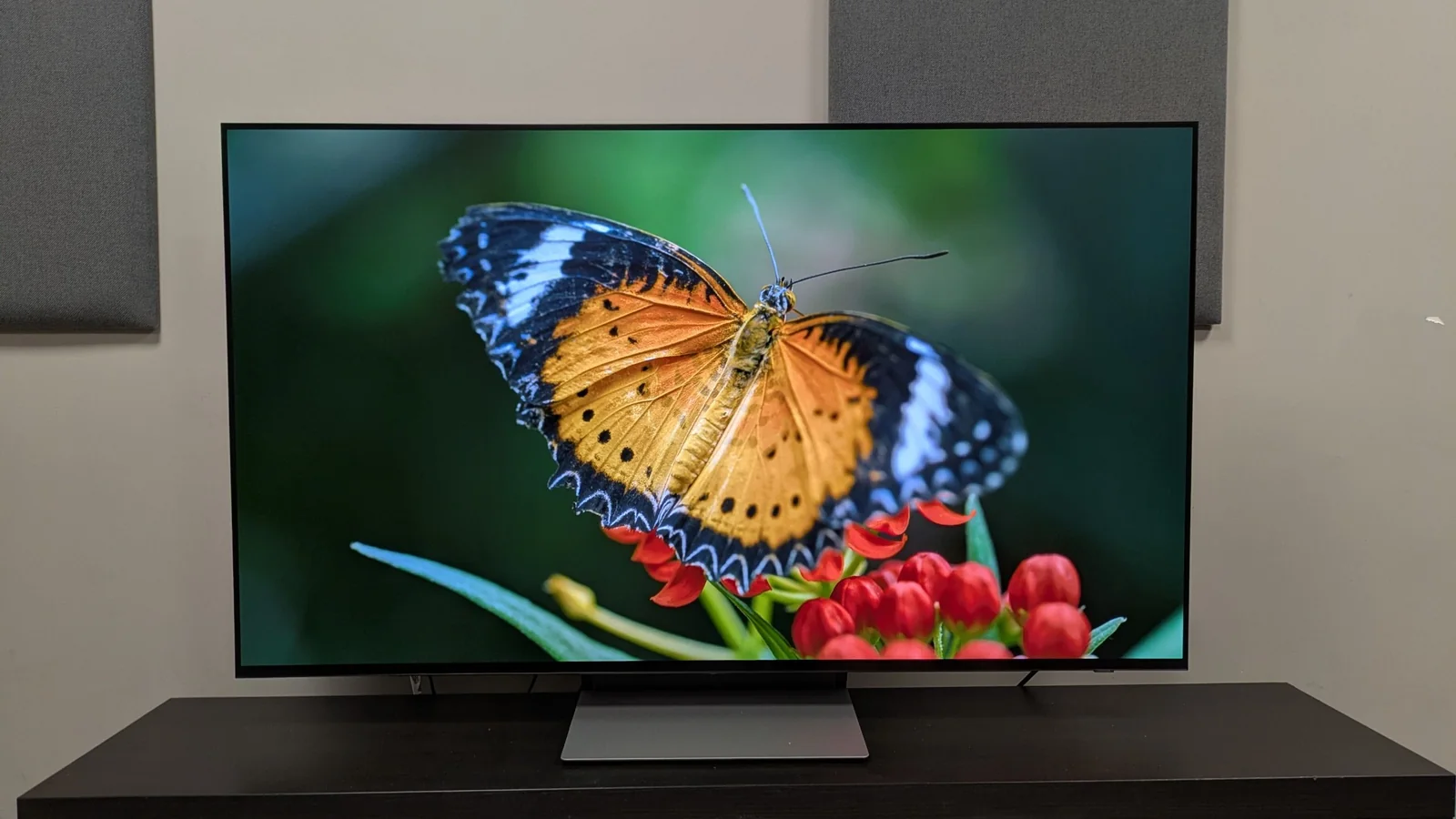
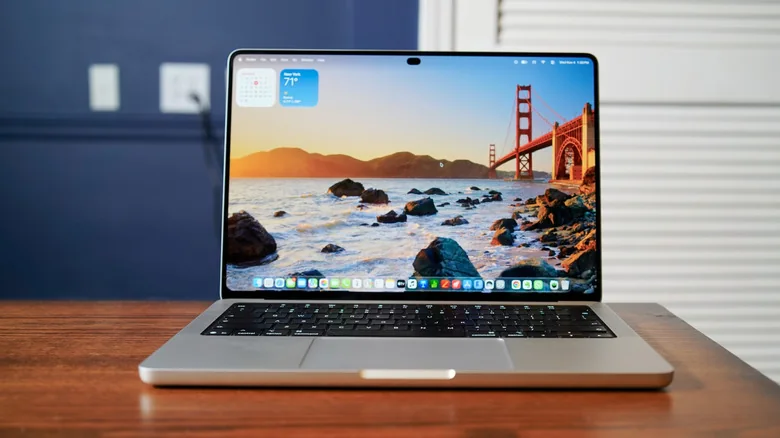
The PROLED XDR screen is the primary selling point. Both models feature OLED screens that are slightly larger (14.2-inches and 16.3-inches) with thinner bezels. They reach up to 2,000 nits of peak HDR brightness and 1,000 nits sustained, with a 10,000,000:1 contrast ratio.
The OLED technology allows for pure blacks and high contrast. While the difference from previous Mini LED models is subtle in daily use, high-contrast scenes in media look significantly more realistic.
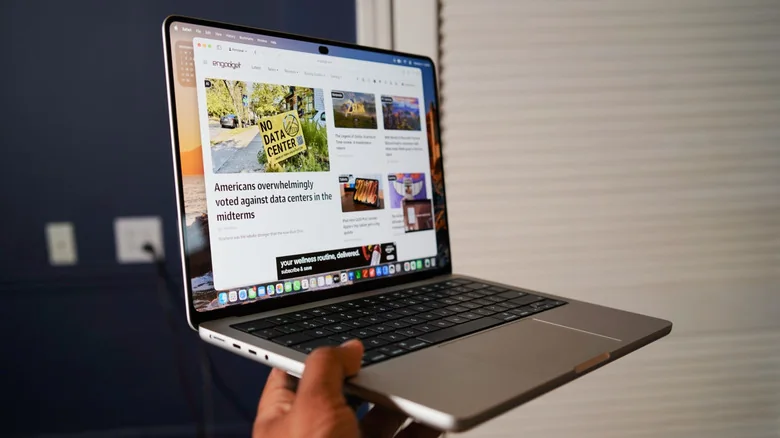
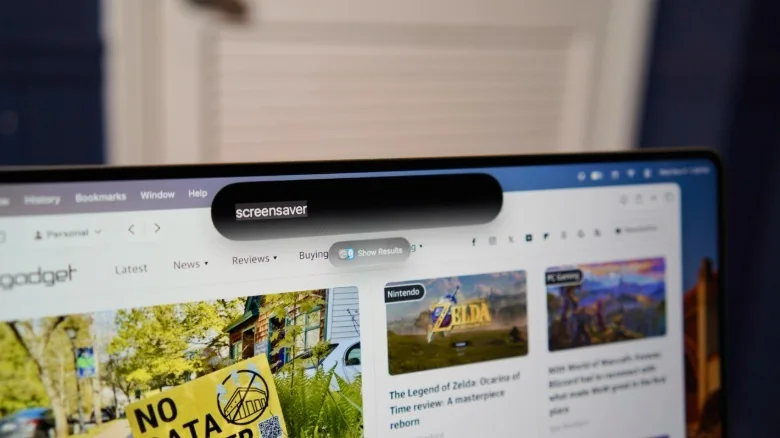
The displays also include a Dynamic Island at the top, housing the webcam and serving as a home for Spotlight and Live Activities. It functions similarly to the iPhone implementation, though it does not drastically alter the visual experience.
Devindra Hardawar for Engadget
Touchscreen Functionality
Apple has taken a basic approach to touchscreen support. Users can swipe to scroll or manipulate media, with interactions registering as mouse clicks. While creative partners like Adobe plan to support it, there is no Apple Pencil support, meaning it does not replace an iPad for drawing.
The weight reduction is achieved through the new display and reworked internal cooling. It is a welcome change that aligns the MacBook Pro more closely with modern, lightweight PC competitors.
The audio system has been updated with six speakers, offering enhanced low-end performance and clarity even at high volumes.
Performance and Connectivity
The machines run on the same M5 Pro and M5 Max chips as previous models, meaning there are no major performance shifts. The port selection remains robust, featuring three Thunderbolt 5 ports, HDMI, a headphone jack, MagSafe, and an SD card slot.
In-use: A wonderful evolution of the MacBook Pro
Devindra Hardawar for Engadget
The refined design and lighter weight are noticeable, but these upgrades are not essential for those already using recent M-series MacBooks.
The touchscreen is convenient for casual scrolling, but it is not a game changer. Some software, such as specific games, lacks full optimization for touch input.
Apple has avoided hybrid hinge designs, keeping the MacBook Pro firmly in the laptop category. There is no indication of a specialized macOS interface for touch at this time.
Benchmark performance is consistent with the existing M5 family. The 14-inch unit with an M5 Pro chip delivered a single-core Geekbench 6 score of 4,217.
Battery life remains strong, with the 14-inch model lasting approximately 12.5 hours in real-world workflows, while the 16-inch model is rated for up to 24 hours.
Should you buy the MacBook Pro with PROLED XDR Display?
Devindra Hardawar for Engadget
Buying Advice
These systems are difficult to recommend to casual buyers due to the price. The 16-inch model offers better relative value, while the 14-inch model's $900 premium for a touchscreen is hard to justify unless portability is the absolute priority.
Hardware prices have risen significantly throughout the year, and this latest release pushes the lineup into a higher tier of cost.
At these price levels, consumers may need to reconsider how they view laptop purchases, potentially treating them as long-term investments similar to vehicles.
Wrap-up
Devindra Hardawar for Engadget
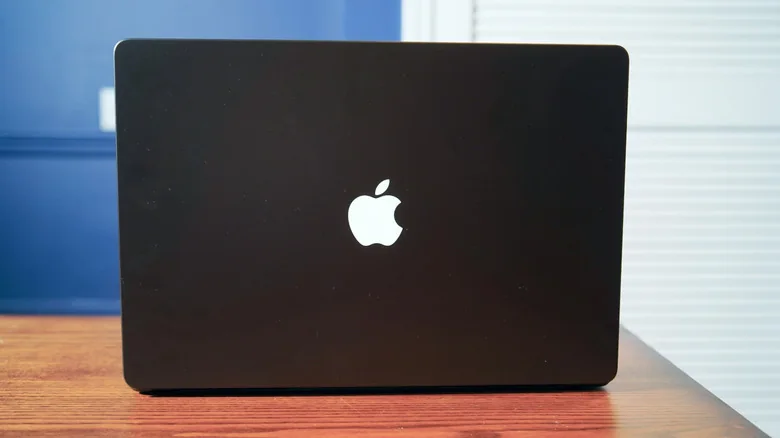
While not revolutionary, the PROLED XDR MacBook Pro shows Apple's ability to refine its hardware. The OLED screens are beautiful, but existing users of recent MacBook Pros have little reason to upgrade.