Meta's $1,300 VR Glasses Look Like a Next-Gen Vision Pro Rival
Meta has introduced lightweight VR specs aimed at offering a more accessible form factor for virtual reality and productivity.
Design and Pricing
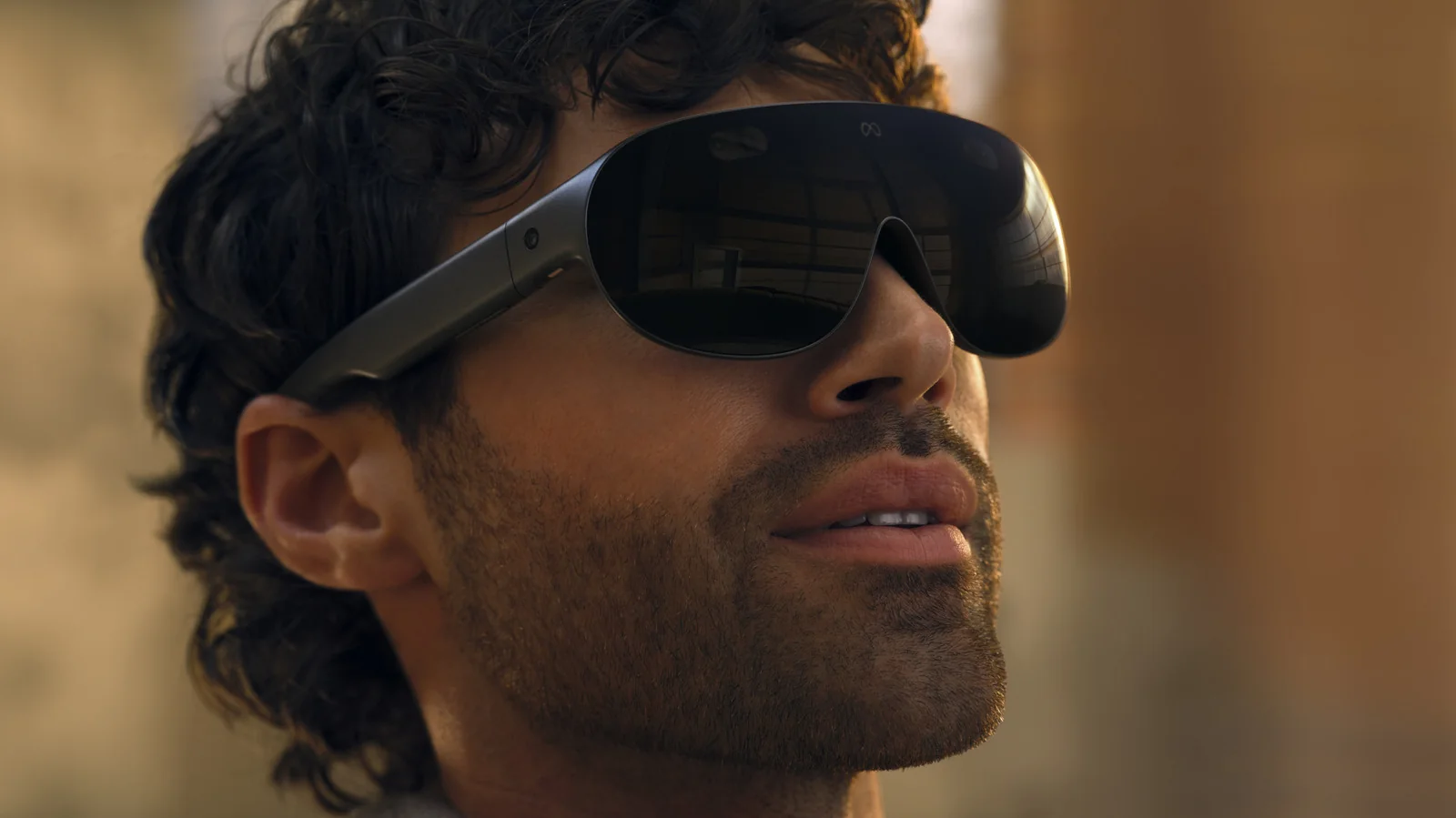
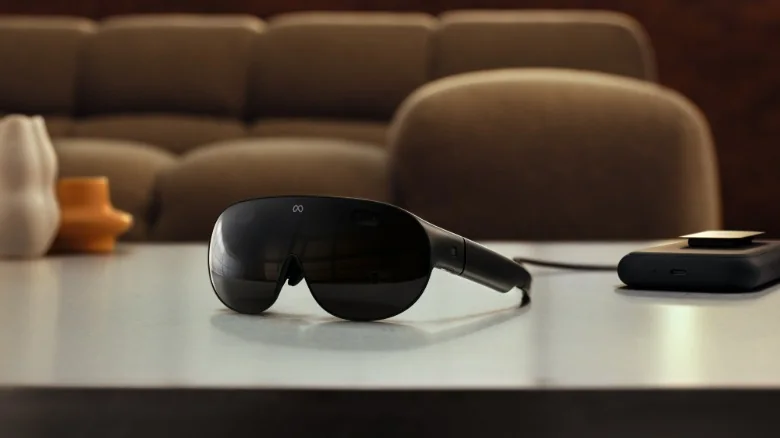
Scheduled for a Spring 2027 release, the new Meta VR Glasses resemble oversized sunglasses similar to display frames from Xreal and other manufacturers. They feature an external power and computing pod comparable to the Apple Vision Pro setup. Equipped with onboard cameras for hand-gesture controls, the device carries a price tag of $1,300, positioning it well below the original $3,500 cost of the Vision Pro.
Features and Entertainment
The headset is pitched as an all-in-one entertainment and productivity tool. Users can view movies on large virtual screens or connect to a computer to multitask across multiple floating windows. The hardware launches with over 75 hand-powered games, alongside support for Touch Plus controllers to play existing Quest VR titles.
Specifications and Hardware
Powered by Qualcomm's Snapdragon Reality Elite processor (XR2 Gen 3), the Meta VR Glasses feature a 5K (2,412 by 2,288 pixels) 120Hz micro-OLED display. The system uses six external cameras for color passthrough and motion tracking, supplemented by four internal eye-tracking cameras. The horizontal field of view spans 70 degrees. The wired computing puck houses 12GB of RAM, 128GB of storage, and a microSD card slot.
The glasses themselves weigh 100 grams (about 0.2 pounds), making them significantly lighter than traditional headsets like the Vision Pro, which ranges between 1.3 and 1.7 pounds. The accompanying compute puck weighs an additional 300 grams. While users cannot wear the glasses directly over traditional spectacles, custom prescription frames are available to order.
Software and Interface
The interface relies heavily on hand gestures, full-color pass-through, and biometric iris recognition. Users can also interact via digital hologram representations during virtual chats.
The platform supports 3D films available for purchase or rental, with dedicated 3D content also appearing in streaming apps such as Disney+ and Peacock.
Meta is also adopting a format similar to Apple's Immersive Video Format, with National Geographic launching an app featuring 180-degree 3D video. A new VR Enhanced Cinema format will bring 3D movies with environmental effects that interact with the physical room.
Ergonomics and Trade-offs
While the 70-degree field of view is narrower than fully enveloping headsets like the Steam Frame, the lighter form factor reduces physical fatigue and avoids the hair-flattening issues typical of bulkier head-mounted displays.
Potential drawbacks include the $1,300 price point and consumer skepticism regarding Meta's privacy track record with wearable cameras.
Meanwhile, competition in the spatial computing market continues as manufacturers strive to deliver lighter, cheaper, and more consumer-friendly alternatives to early high-end headsets.