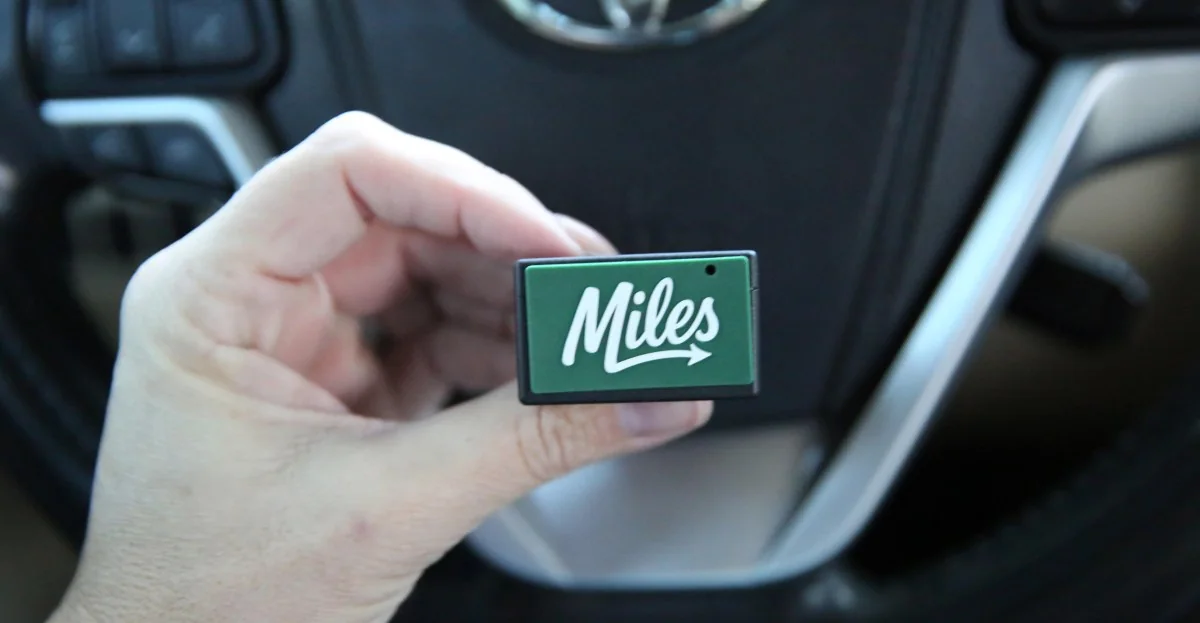
The Miles Plug is a compact device that connects to a car's OBD-II port, offering location tracking, driving habit monitoring, vehicle health diagnostics, emergency accident response, and roadside assistance.
This innovative plug aims to provide crash detection, roadside assistance, real-time location tracking, and a warning-light decoder for vehicles, with subscription plans starting as low as $11 per month.
The product is designed to offer peace of mind, particularly for parents of new drivers, by providing insights into driving behavior without feeling overly intrusive.
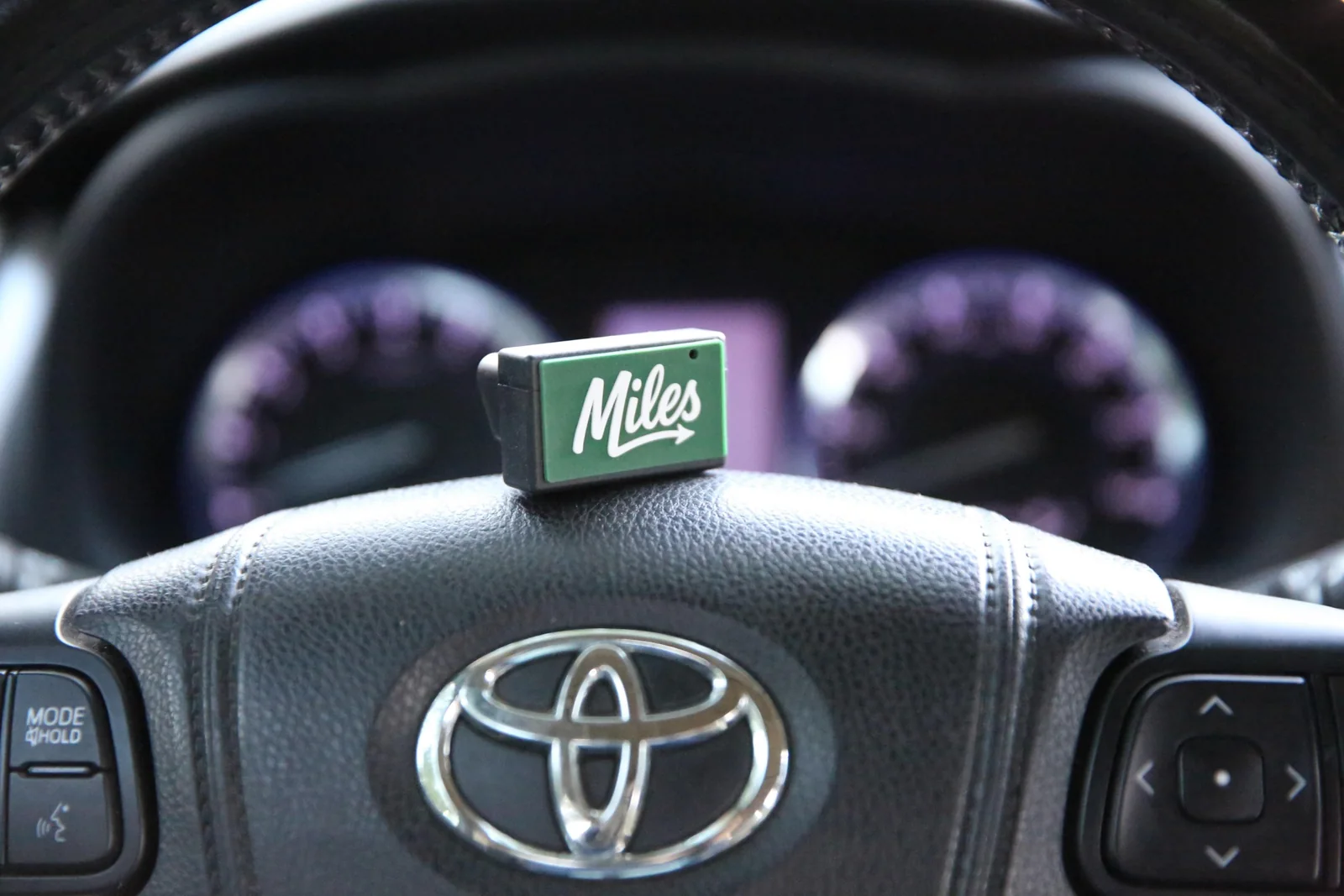
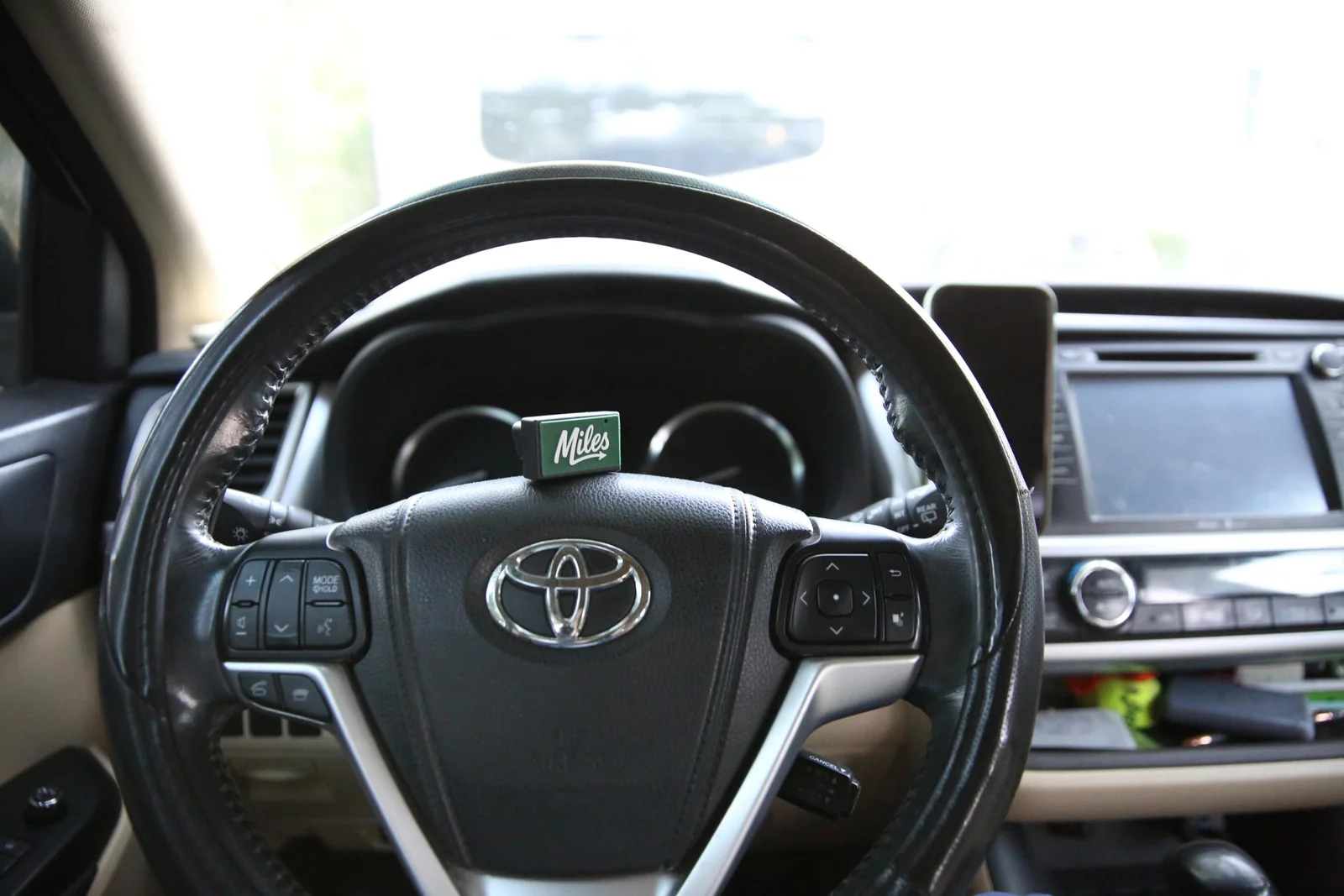
The Miles Plug is a small, screen-less, and battery-free device that draws power directly from the car's OBD-II port.
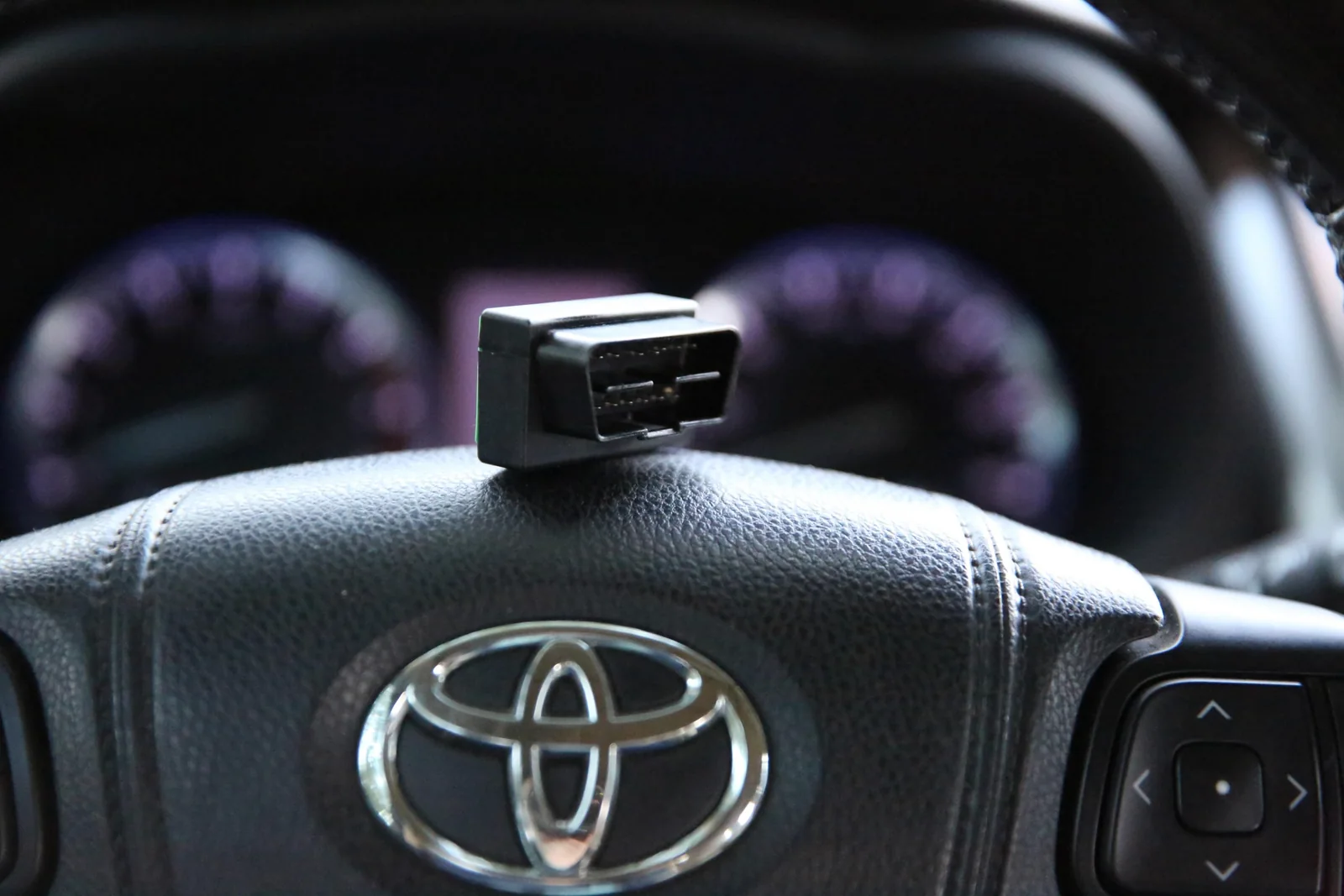
The device easily slots into the car's diagnostic port.
The Miles Plug is available for $99, with an additional $180 for a one-year membership ($279 total, or $15 per month). A three-year plan costs $396, including the Plug, reducing the monthly equivalent to $11. All plans require upfront payment and do not auto-renew. The service is compatible with most gas and hybrid cars from 2008 onwards, and some electric vehicles, with a compatibility checker available.
While the pricing may appear substantial, the company suggests it consolidates costs for multiple services such as roadside assistance and family tracking, which could otherwise amount to $30-$40 monthly. A key differentiator highlighted by the manufacturer is its commitment to not selling user data, a practice some automakers have been criticized for.
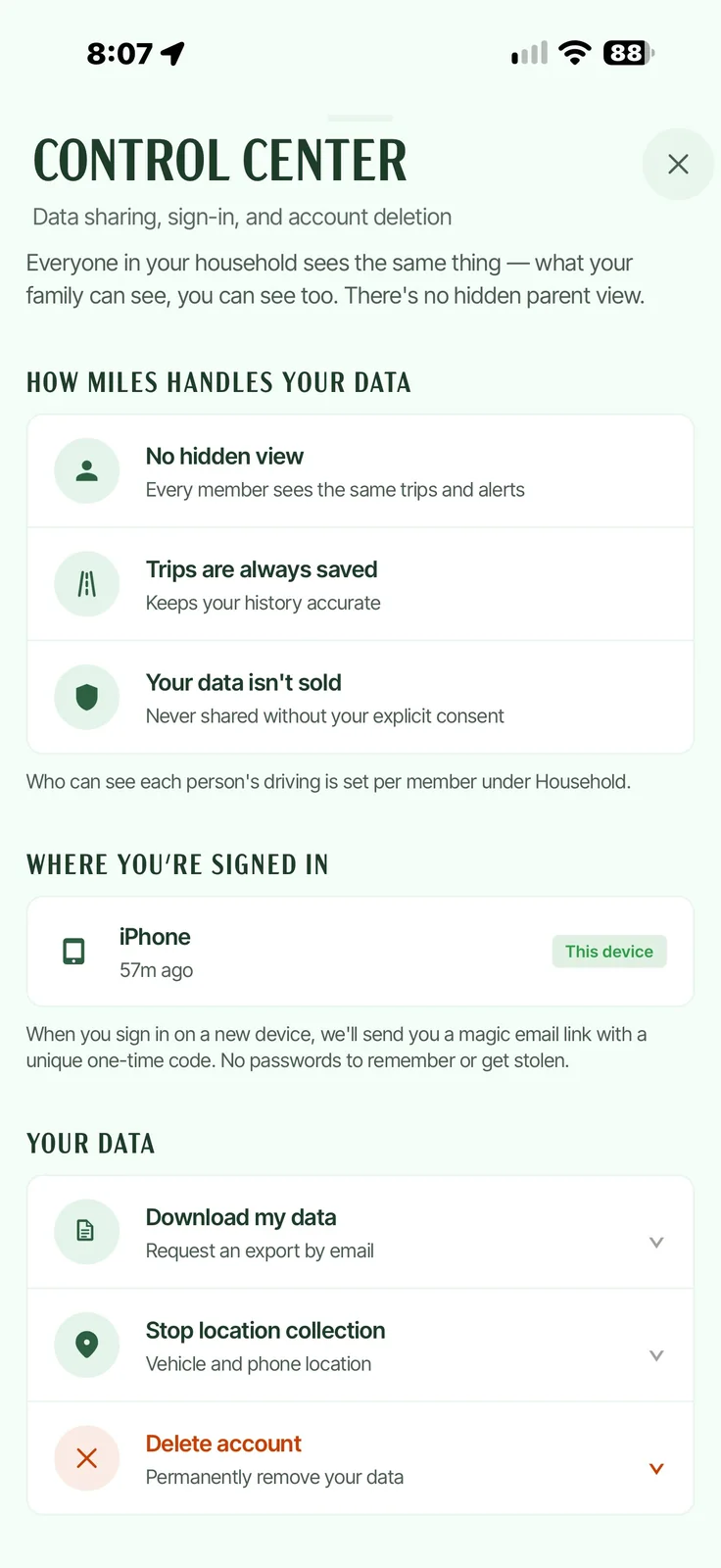
Miles explicitly states it will never sell vehicle, trip, or location data, and its app is ad-free. All vehicle and trip data is encrypted, with the most sensitive information being end-to-end encrypted. Location tracking is tied to the car, not the phone, ceasing when the user leaves the vehicle. The app also provides options to download data, halt location collection, and delete accounts and associated data.
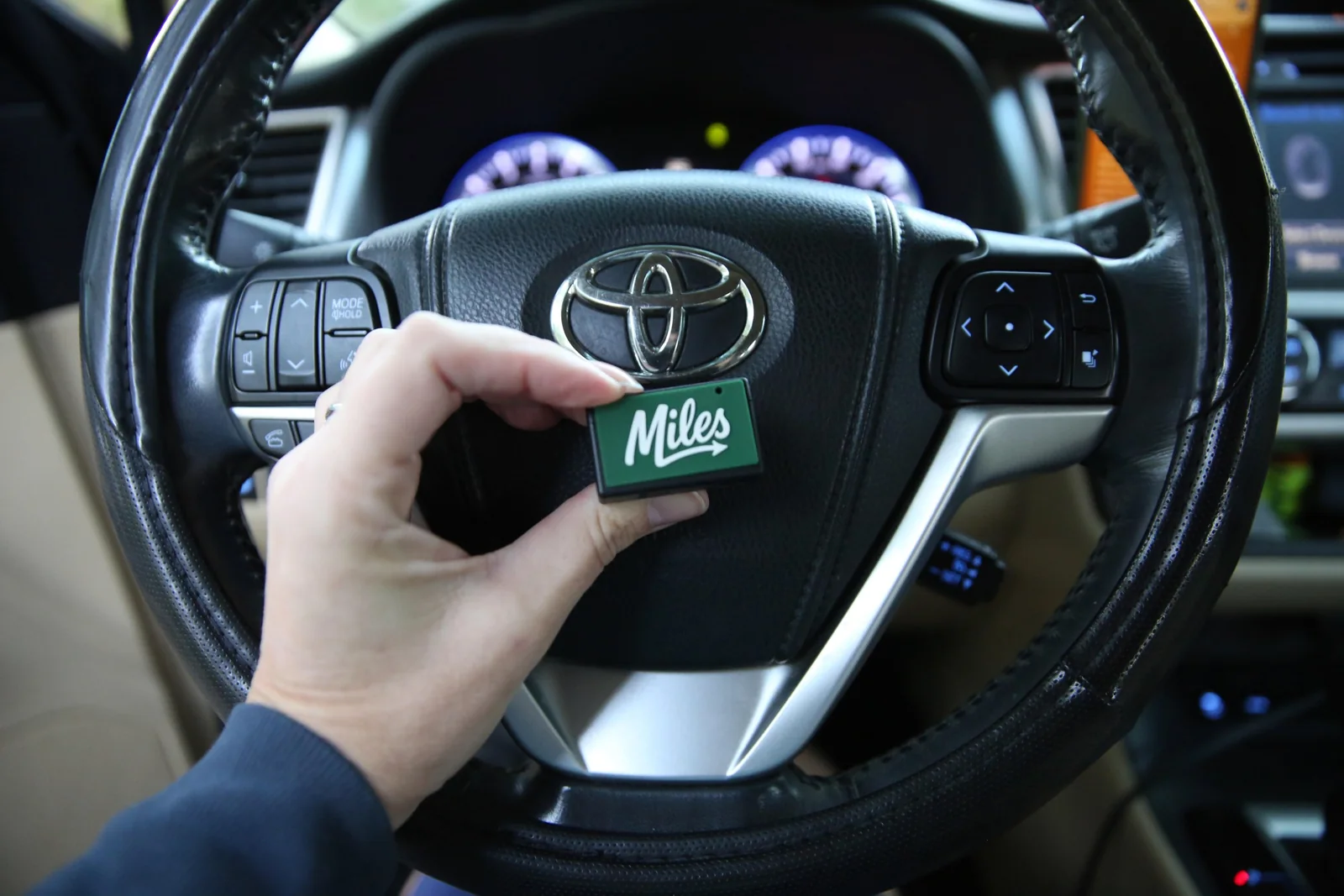
The Miles device is notably compact and compatible with most gas and hybrid cars manufactured in 2008 or later.
Setup for the Miles Plug is straightforward, with the app guiding users through the process. The app's interface is described as clean, uncluttered, and user-friendly. After plugging into the OBD-II port, the device automatically reads the VIN and identifies the vehicle.
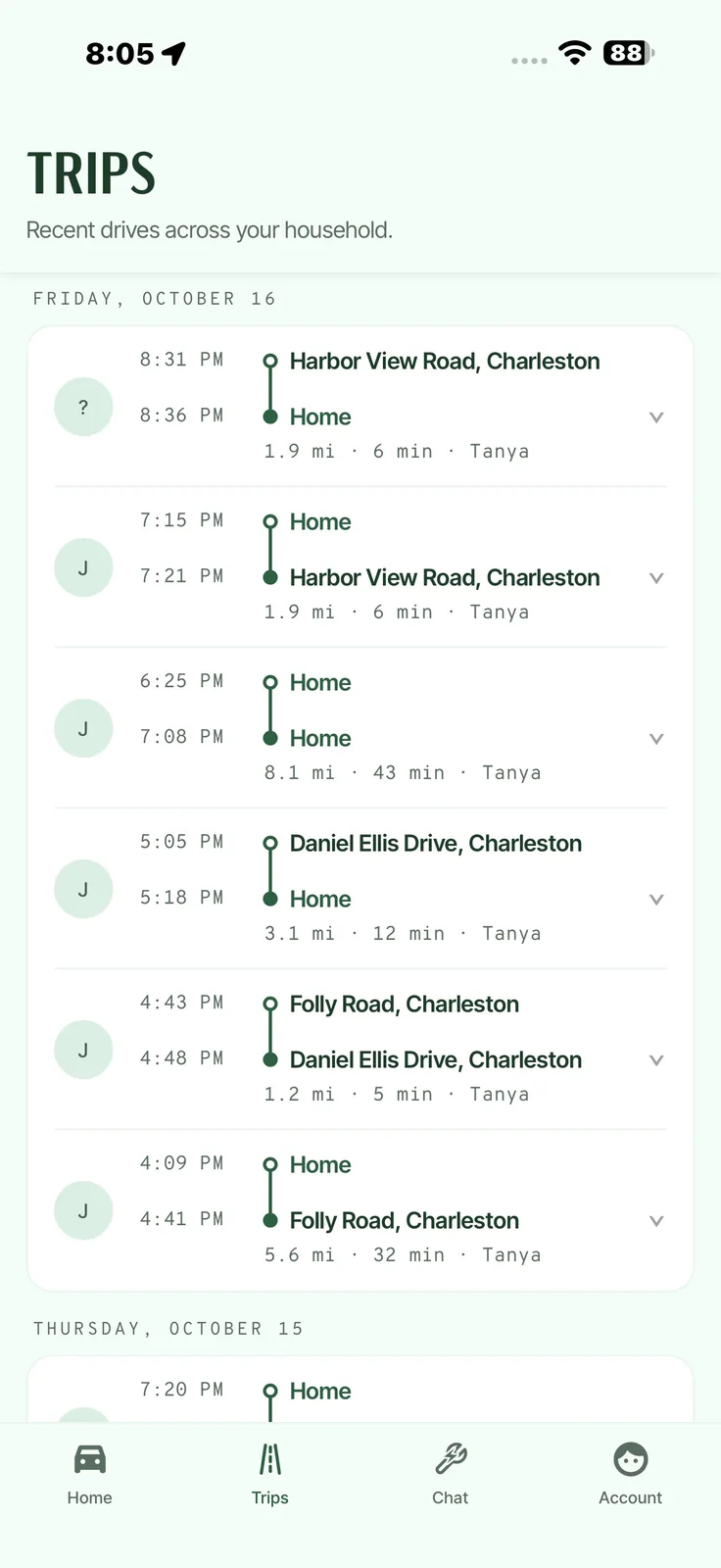
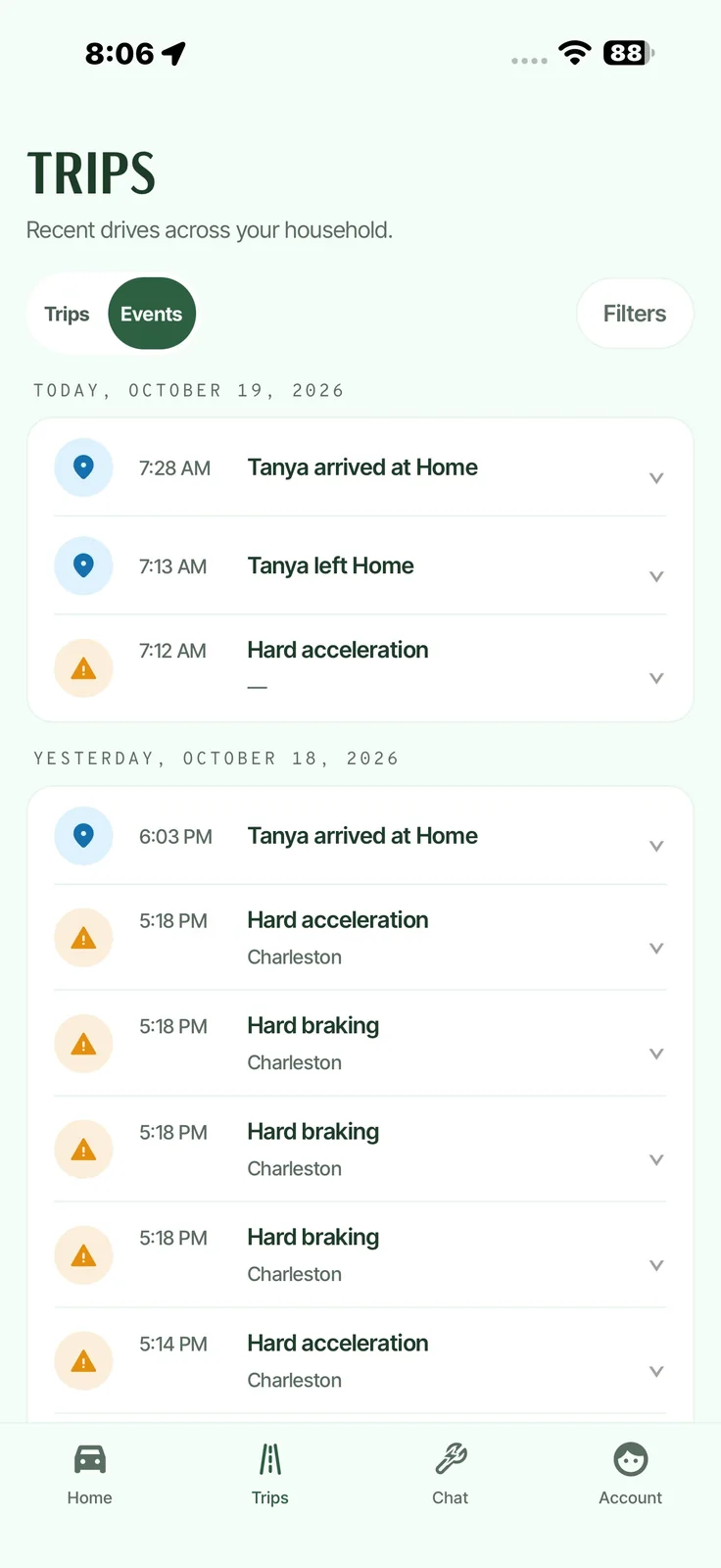
The system accurately logs every trip, detailing route, distance, and time. Alerts for arriving at or leaving home are delivered promptly. The events tab effectively flags instances of hard acceleration and braking, providing insights into driving behavior.
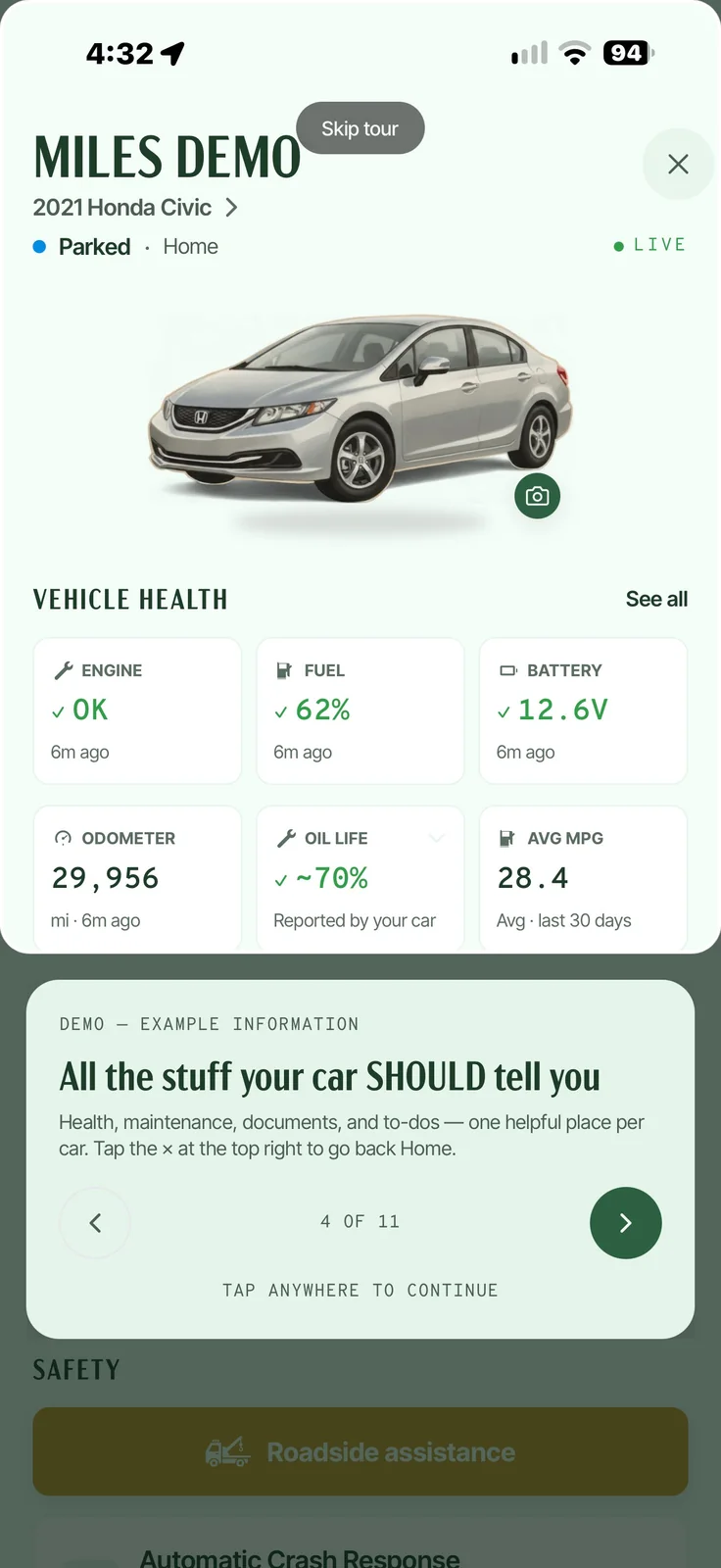
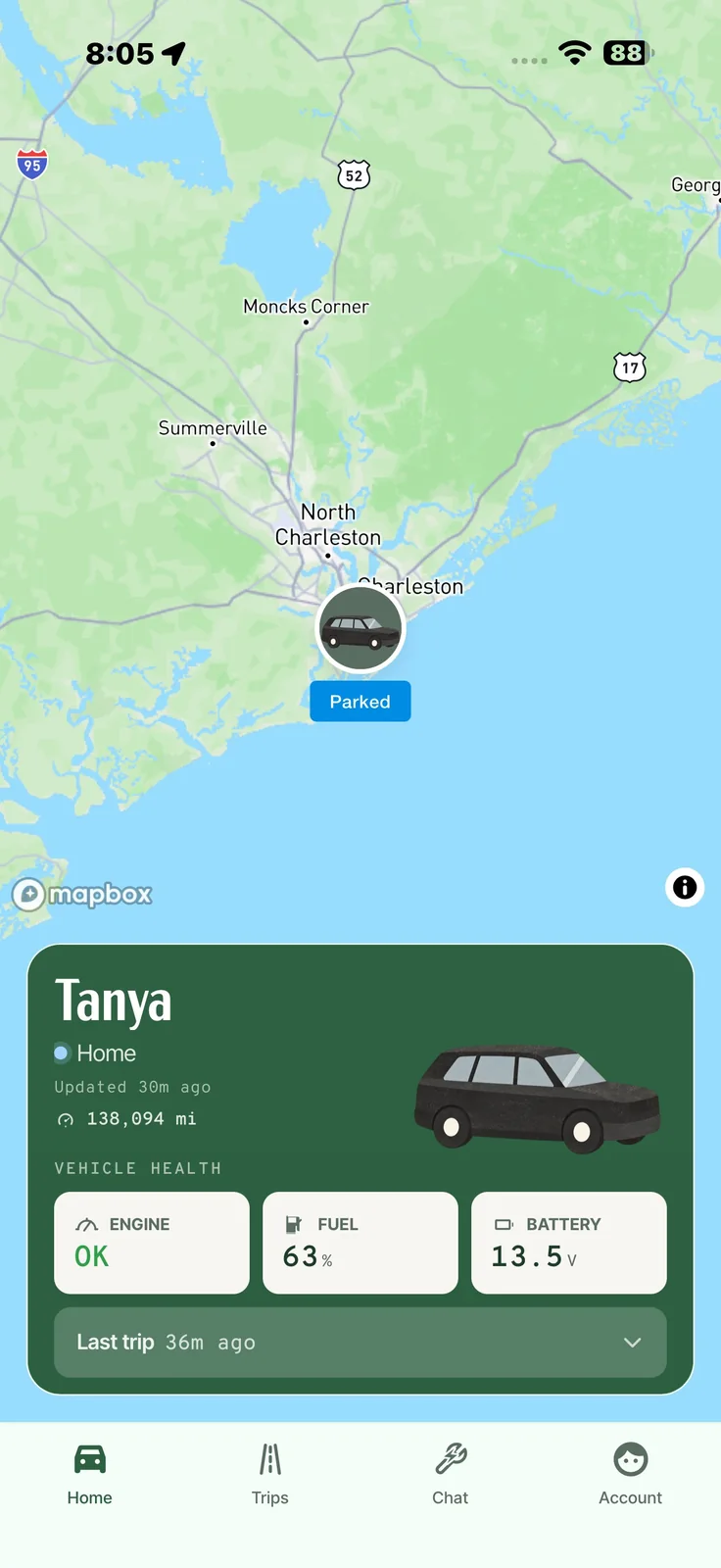
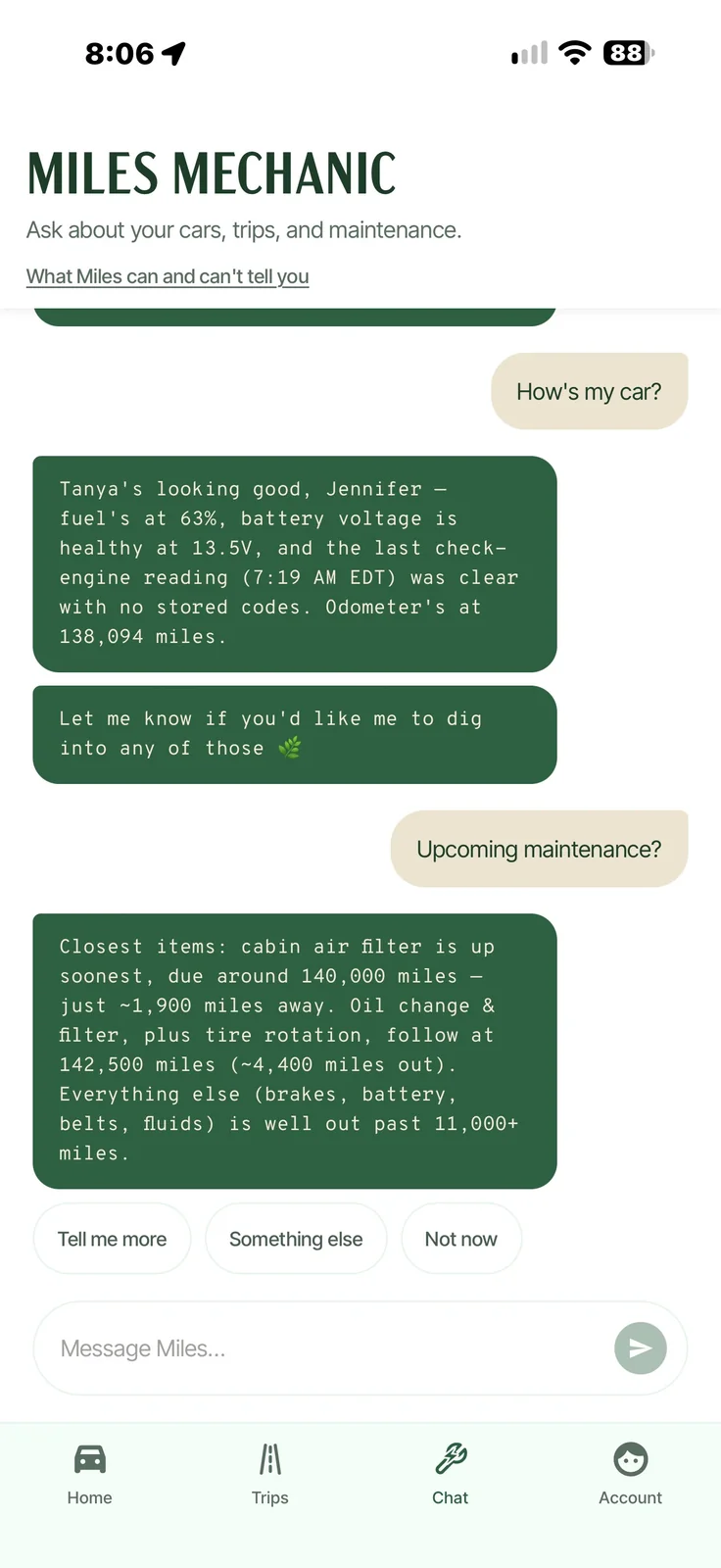
The app's home card offers a concise vehicle health summary, displaying engine status, fuel level, battery voltage, and odometer readings. The Miles Mechanic chatbot provides clear, plain-English answers to queries about car status and upcoming maintenance, such as air filter replacement or oil change schedules.
Regarding car battery drain, a common concern with similar products, the manufacturer states the device enters a sleep mode when the car is off, consuming minimal data to wake and sync, which should not significantly impact battery life. Users are advised to remove the plug if the car will be undriven for an extended period.
A significant consideration for potential users is the long-term viability of the Miles company, especially given the past failure of similar ventures like Automatic Pro, which ceased operations in 2020. Miles distinguishes itself by charging an upfront membership fee, a business model intended to ensure sustainability.
The company's founders, experienced in smart home technology, emphasize that their upfront membership model is designed to prevent the financial instability that plagued previous startups in the sector. They affirm the company is 'well capitalized' and offers a 60-day money-back guarantee.
While Miles does not currently offer smart home integrations, the company is developing an MCP server in beta. This would allow vehicle data to be delivered to various AI platforms or home assistants, enabling users to query their car's status (e.g., 'When's my next oil change?' or 'How much gas is in my car?') through existing smart home ecosystems.
The Miles Plug is presented as an effective solution for monitoring teen drivers without relying on phone tracking, and also appeals to owners of older cars or those who prefer not to use data-tracking apps from insurance companies or car manufacturers, yet desire easy access to their vehicle's data.