Vibe coding has reached smart televisions as social media fills up with posts from people using large language models and open-source tools to strip out advertisements, reduce bloatware, and redesign their homescreens.
The Rise of TV Debloating Projects
Users are growing increasingly frustrated with the heavy concentration of sponsored ads and constant data tracking baked into modern TV interfaces, turning to AI-assisted coding for a cleaner experience.
Projects like cleanyourtv, tv-detox, and dumbtv have gained traction by eliminating ads, speeding up system performance, and blocking uninvited data collection without requiring device rooting or deep hardware hacks.
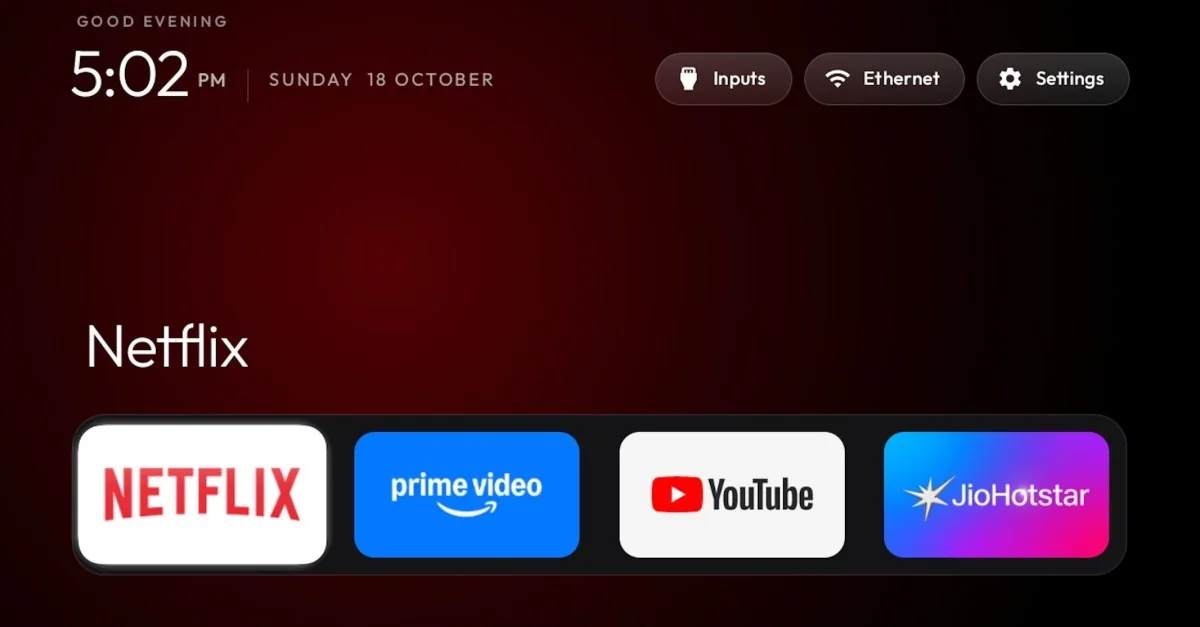
Several vibe-coded TV-debloating projects exploded in popularity over the weekend. Cleanyourtv, tv-detox, and dumbtv all claim to accomplish similar things — remove sponsored ads, debloat the TV so it runs faster, and block unwanted data collection that tracks what you’re watching — without hacking, or rooting, the TV. By default, they all also replace the TV’s built-in app launcher with simpler ones. Many users are going a step further and vibe-coding their own replacement launchers.
Compatibility and Technical Methods
Most of these projects target televisions running Android and Google TV operating systems, such as models from TCL, Hisense, Sony, and older Amazon Fire devices. They leverage developer modes and the Android Debug Bridge to modify settings and packages safely.
While these workflows utilize long-standing developer capabilities built into Android, artificial intelligence has accelerated the process, making custom modifications much more accessible to everyday users.
Similar modifications are largely unavailable for closed ecosystems like Samsung's Tizen OS, LG's webOS, Roku, or Vizio's SmartCast, which typically require complex rooting methods to achieve comparable control.
Privacy and Data Collection Concerns
While tools like dumbtv can block specific telemetry and ad partner network requests, maintaining an active internet connection on any smart television inevitably results in some level of data transmission.
Television manufacturers increasingly rely on automatic content recognition and digital fingerprinting to monitor viewing habits, share analytics with advertising partners, and serve targeted commercials.
Although tracking features and targeted ads can usually be disabled through deeply buried menu settings, many consumers remain uncomfortable with the extent of data gathering happening in the background.
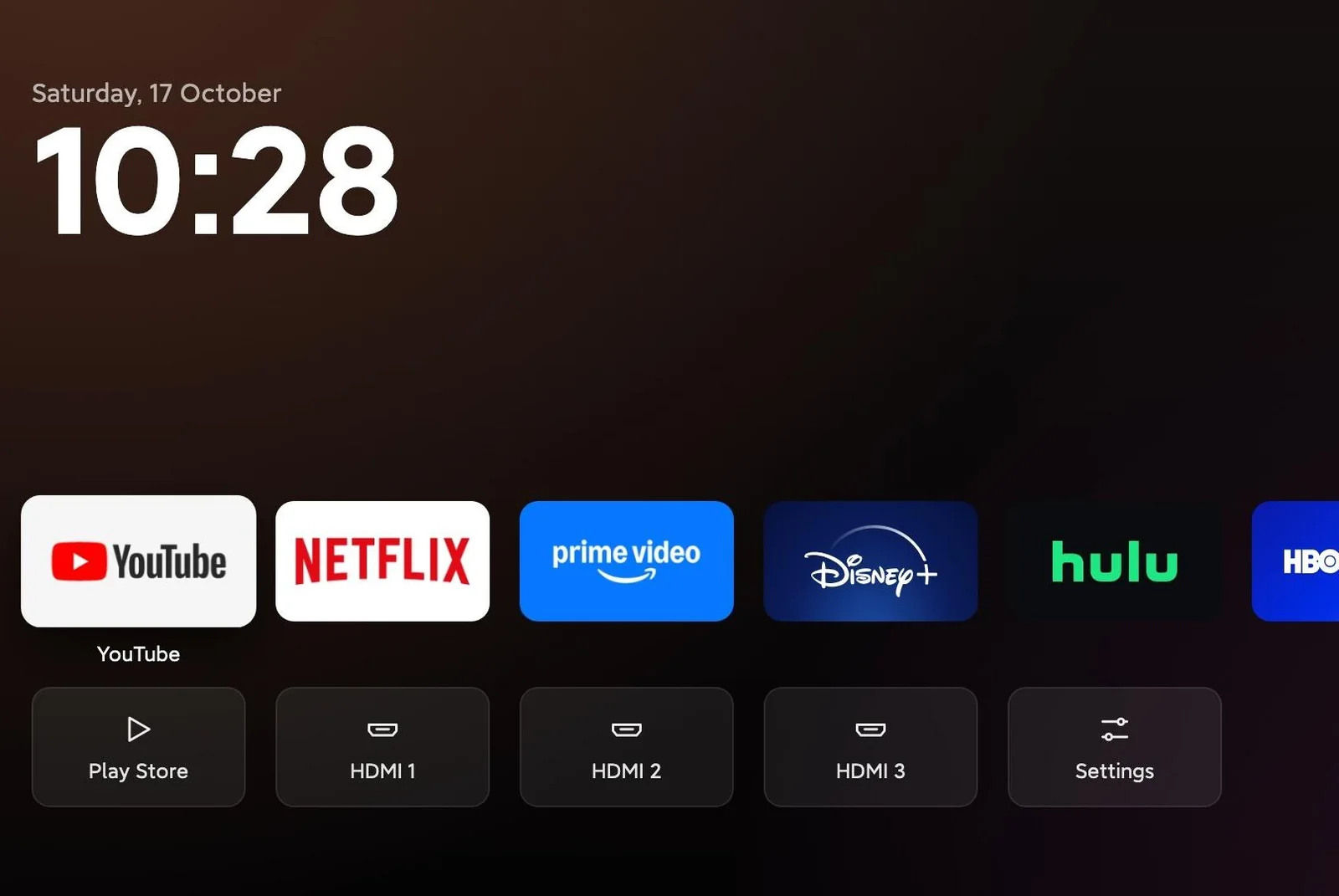
Alternative launchers provide streamlined interfaces reminiscent of cleaner streaming boxes.
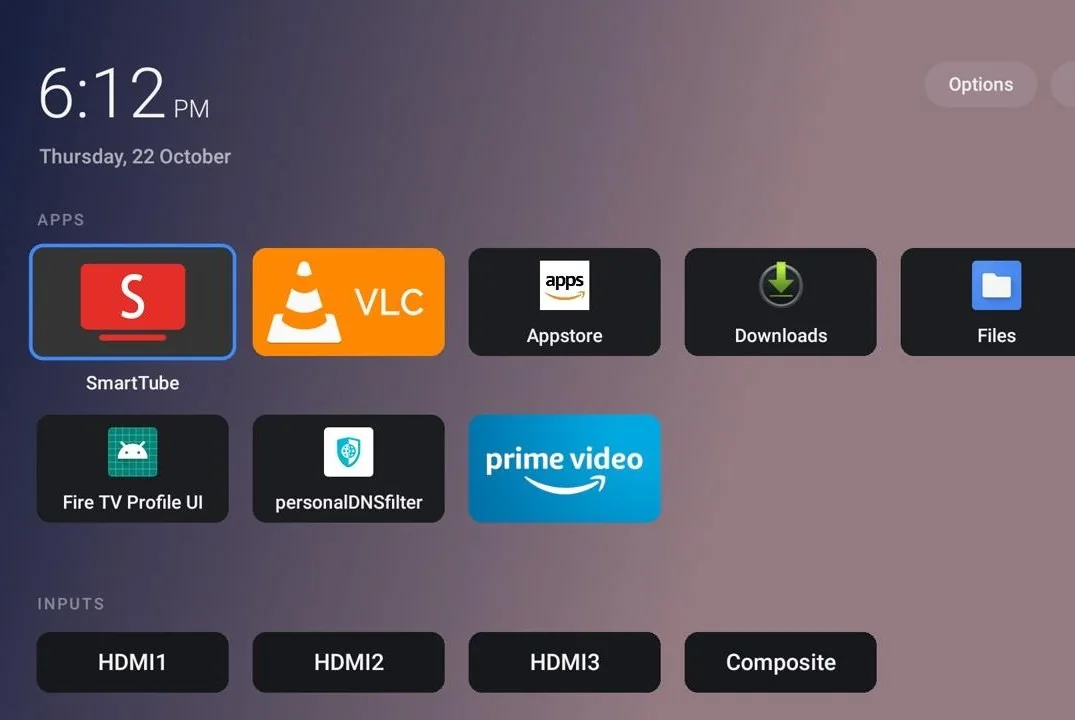
Grid setups and simplified row layouts help strip away distracting promotional tiles.
Modifying television operating systems reflects a broader consumer desire to reclaim ownership over hardware and secure a streamlined user experience.
However, experimental modifications carry risks, such as accidentally bricking a device. For those wishing to avoid tracking entirely without risking system software, keeping the TV offline and utilizing dedicated streaming hardware remains the safest alternative.
The growing popularity of TV vibe coding highlights widespread dissatisfaction with current smart TV interfaces. Unless manufacturers address bloat and invasive advertising natively, users will likely continue taking matters into their own hands.