Understanding Battery Longevity
Simple limits and slower charges could make an instant difference for long-term vehicle ownership.
Although electric vehicles are still costly, owning one brings lower maintenance costs and significantly cheaper energy compared to gas. Many drivers rely on home charging setups, as modern battery capacities have evolved well beyond standard household outlets.
Treating your car like a smartphone is essential for preserving reasonable driving range years down the road. Poor charging routines can ultimately mean the difference between a seamless intercity trip and unnecessary stops.
Ideal maintenance practices involve managing charge percentages, monitoring acceptable temperatures, and knowing when high-speed Level 3 charging is appropriate.
Harmful Charging Practices
Avoiding 100 percent full charges for every session is one of the easiest habits to adopt. While cross-country trips require full capacities, lithium iron phosphate batteries should ideally be fully topped up only weekly, whereas nickel manganese cobalt systems perform best when left between 80 and 90 percent.
Maintaining a charge level between 20 and 80 percent helps preserve longevity. Charging speeds also tend to drop dramatically past the 80 percent threshold, making shorter sessions more practical during daily commutes.
Temperature management is equally critical. While cold weather reduces efficiency, charging in excessive heat approaching 104 Fahrenheit can accelerate degradation. Owners in hot climates can mitigate this by charging overnight or letting vehicles cool down after long trips.
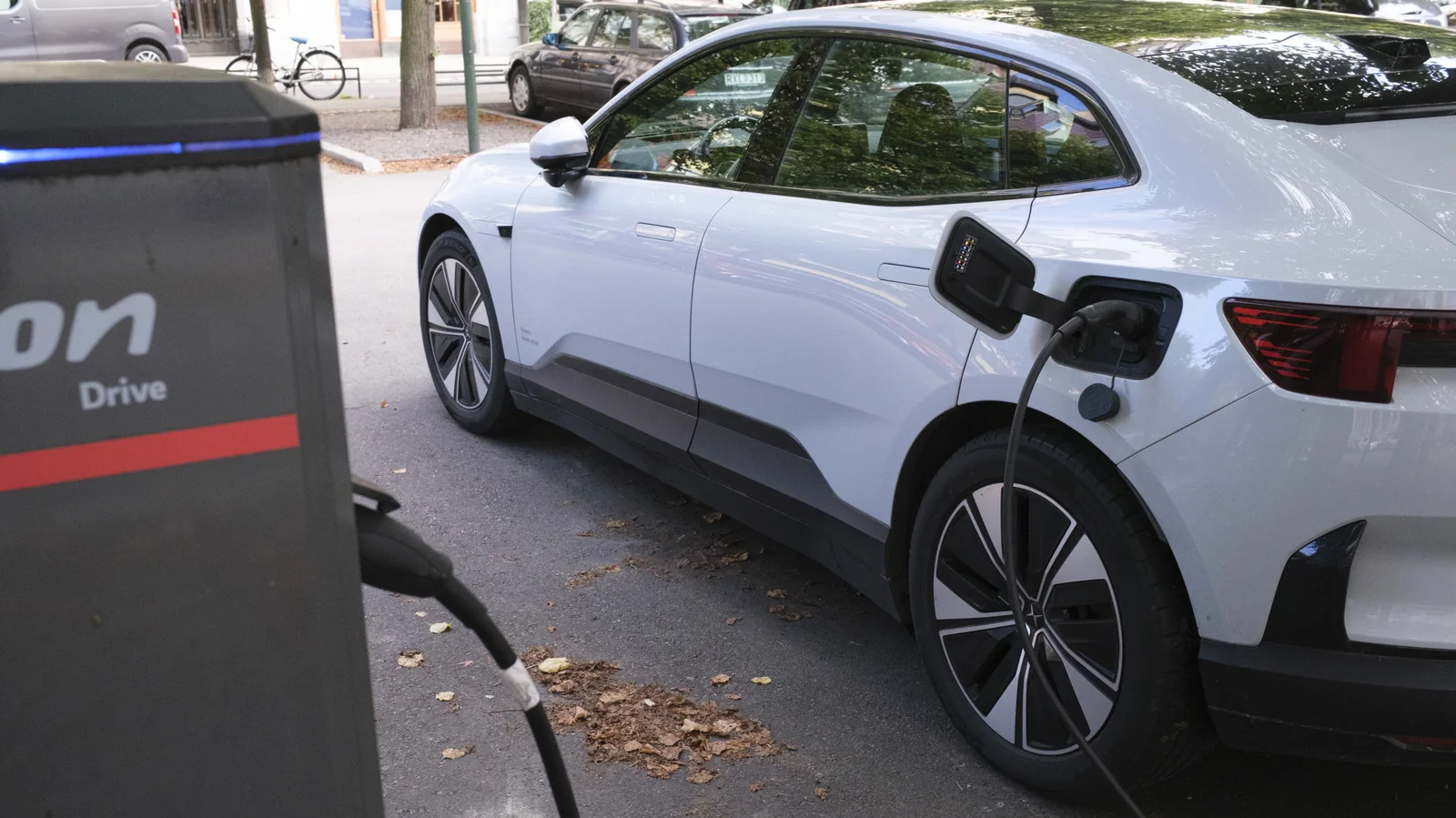
DC fast chargers generate substantial waste heat and should be reserved for road trips where slower Level 2 alternatives are unavailable.
Additional Preservation Strategies
Minimizing aggressive driving helps reduce overall charge cycles, which typically range between 1,000 and 2,000 full cycles over a battery's lifetime. Utilizing cruise control and efficient routing options also preserves capacity.
Sheltering your vehicle from extreme weather keeps the battery closer to its optimal temperature sweet spot between 68 and 86 Fahrenheit, reducing the energy required for thermal preconditioning.
While these guidelines help maximize longevity, modern electric vehicles are engineered to withstand everyday use without requiring rigid adherence to every rule.