Design and Performance Overview
The previous-generation Roku Pro model stood out as a strong offering, making the transition to an OLED panel a notable evolution. Beyond ultradeep black levels and competitive pricing, the 2026 Roku Pro Series OLED achieves exceptionally low gaming latency, outperforming past benchmarks evaluated by the source testing process.
However, the source review notes that the Roku Pro OLED does not fully maximize its underlying panel technology. Observations indicate that the outgoing Roku Pro model retains superior overall picture fidelity and sound quality, making it a preferable interim choice while supplies last.
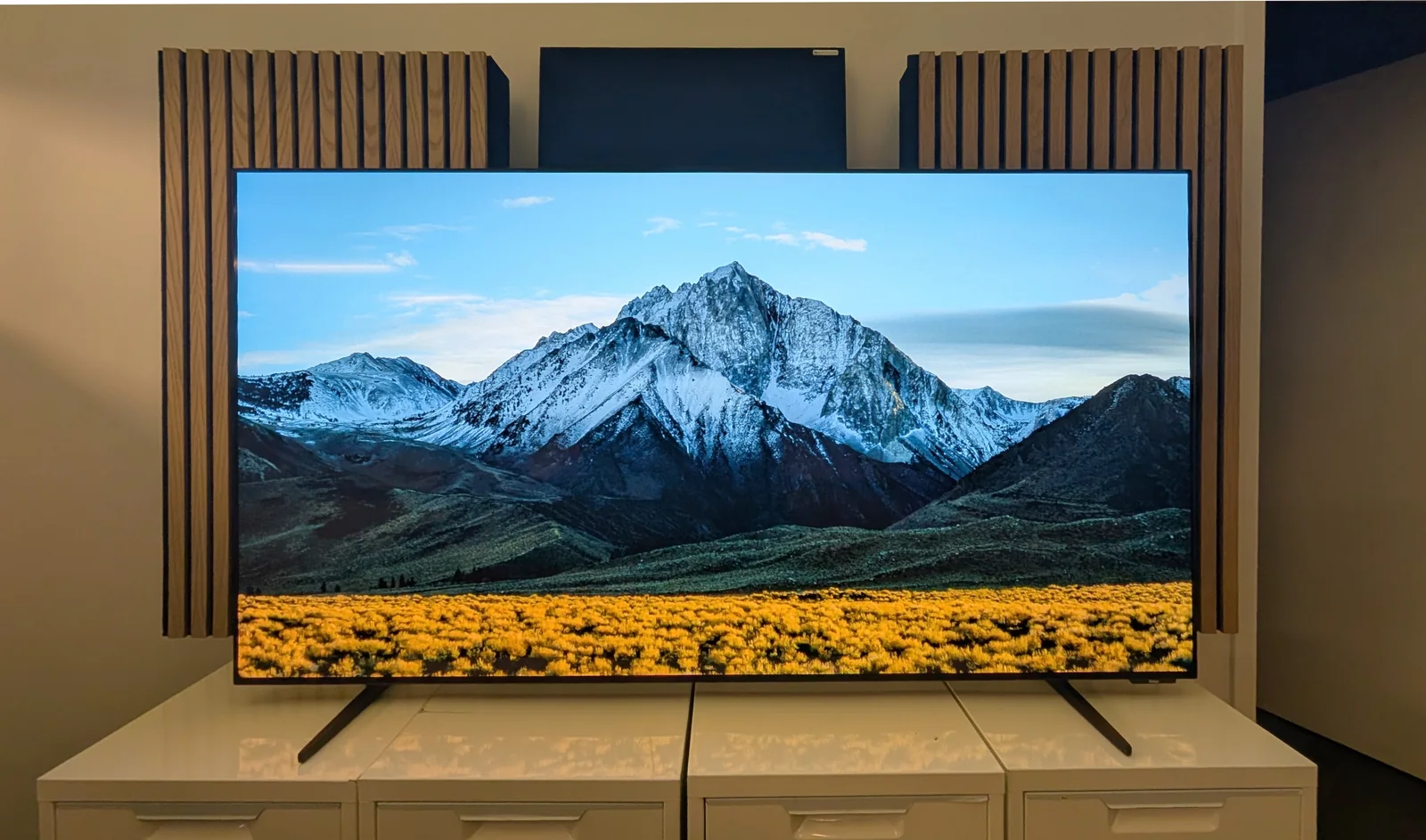
Testing was conducted on the 65-inch version of the Roku Pro Series OLED, though the evaluations generally extend to the 55-inch configuration, which features comparable hardware specifications.
The television features a slim metal bezel and a thin profile typical of entry-level OLED models. To achieve this thin form factor, the manufacturer omitted the Soundstage audio port found on earlier iterations, resulting in a compromise for users seeking robust integrated audio.
Compared to the LCD-based predecessor, the OLED panel aims to enhance contrast ratios and off-axis viewing performance.
The 4K display features a 120Hz native panel with Dolby Vision support and smart picture optimization tools, alongside automated gaming adjustments and variable refresh rate technology.
Higher-tier alternatives, such as the Roku Pro Series LX OLED, offer added enhancements like higher peak brightness, wider color gamuts, and antireflective filtering for an increased cost.
Usability additions include tool-free stand adjustments and cable management straps.
Accessories include a voice-enabled backlit remote equipped with a built-in remote finder mechanism, alongside direct Bluetooth headphone pairing capabilities.
Software and Interface
The updated interface layout introduces content recommendations that may require user adjustment depending on personal preference.
Navigating the home screen involves a minor learning curve as recommendation modules replace traditional app lists, though shortcuts can be pinned for quick access.
Roku's operating system maintains its core strengths through a simple remote layout, clear iconography, and broad compatibility with streaming platforms.
Comparative evaluations against the Samsung S90H and previous Roku models utilized mixed-resolution cinematic content and test patterns.
Source evaluations noted challenges with deep black handling in dark cinematic scenes, where the Roku display occasionally exhibited overexposure and digital artifacts compared to competing models.
Adjusting picture presets yielded limited improvement in shadow calibration, whereas last year's LCD counterpart maintained clearer contrast separation in identical sequences.
Additional testing revealed slight color shifts in dark environments, distinguishing the panel's performance from more balanced alternatives.
Bright, saturated content demonstrated lower color punch and highlight saturation on the Roku panel relative to the Samsung comparison unit.
Test disc evaluations showed comparable detail retention in bright highlights, though overall peak brightness lagged behind competing alternatives.
Ambient light handling is basic, showing moderate reflection in brightly lit environments compared to panels equipped with advanced light-rejection coatings.
Direct light tests produced noticeable glare reflections, indicating that users in luminous rooms may need to manage environmental lighting carefully.
Gaming and Panel Uniformity
Latency testing demonstrated industry-leading response times, registering the fastest 4K performance recorded in the source testing framework.
In practice, the low input lag benefits fast-paced titles, though display brightness in game mode can appear restrained, leaving dark areas difficult to discern.
Off-axis viewing tests revealed a mild green shift when viewed from wide angles, most visible against bright blue or white backdrops.
While picture adjustment menus can feel complex, the display compensates with strong out-of-the-box color accuracy despite its limitations in peak brightness.
Final Verdict
The Roku Pro Series OLED delivers notable speed and interface familiarity, but represents a mixed generation due to unrefined picture processing in dark scenes and the omission of previous audio features.
For dedicated gamers seeking low latency, the panel offers undeniable appeal. However, users prioritizing cinematic image fidelity may find older LCD variants or competing alternatives to be more complete options.
Score breakdown
Scored out of 10Price & Release Date
Roku Pro Series OLED TV (2026)