Introduction
Sonos has introduced its new wireless headphones, the Sonos Ace Ultra, making a clear statement of intent in the premium audio market.
This upgraded wireless over-ear model, arriving two years after the original Ace, features a host of improvements including enhanced custom 40mm drivers, a new headphone engine, better battery life, superior noise-cancelling, and more detailed EQ options. These enhancements position the Ace Ultra to compete with flagship rivals from brands like Sony and Bose.
Sound Quality Enhancements
A primary focus for the Ace Ultra was sound quality, addressing the original Ace's perceived middling musicality. The new model significantly remedies this concern.
Direct comparisons between the Sonos Ace Ultra and the original model reveal stark differences. While the standard Sonos Ace exhibited a confined, overstretched, and unrefined sound, the Ace Ultra delivers openness, intricate detailing, and a broader, more organized soundstage. The headphones also provide improved balance across the frequency range, featuring deep yet controlled bass, rich but less overzealous mids, and tight, articulate treble.
Although some similarly priced competitors, such as the Sony WH-1000XM6 and Bowers & Wilkins Px7 S3, may offer slightly more premium and detailed sound for music, the Ace Ultra are very competitive. Sonos has clearly responded to feedback, demonstrating its capability to challenge leading headphone manufacturers.
For movies, the original Ace was praised for its immersive Dolby Atmos audio with effective head-tracking, a strength that carries over to the Ace Ultra. The headphones generate impressive width, strong command over height effects, and maintain essential elements like clear dialogue and cinematic, powerful bass.
Advanced Features and Connectivity
Beyond the significant music upgrade, other alterations in the Ace Ultra are more incremental but still valuable. The addition of two more microphones brings the total to ten, contributing to excellent active noise cancellation (ANC). The ANC effectively subdues ambient sounds, creating a quiet listening environment. It is adaptive, adjusting to surroundings, and the transparency mode performs admirably. Call quality is also robust.
Battery life has been boosted to 35 hours with ANC on, which, while not groundbreaking, is slightly above the 30-hour standard for headphones in this price range. The battery is replaceable, and a rapid charging feature provides three hours of playback from a three-minute charge.
EQ options have been expanded beyond the basic two-band equalizer of the standard Ace. An eight-band option is now available, alongside adaptive EQ, allowing users to genuinely tailor the sound to their specific preferences.
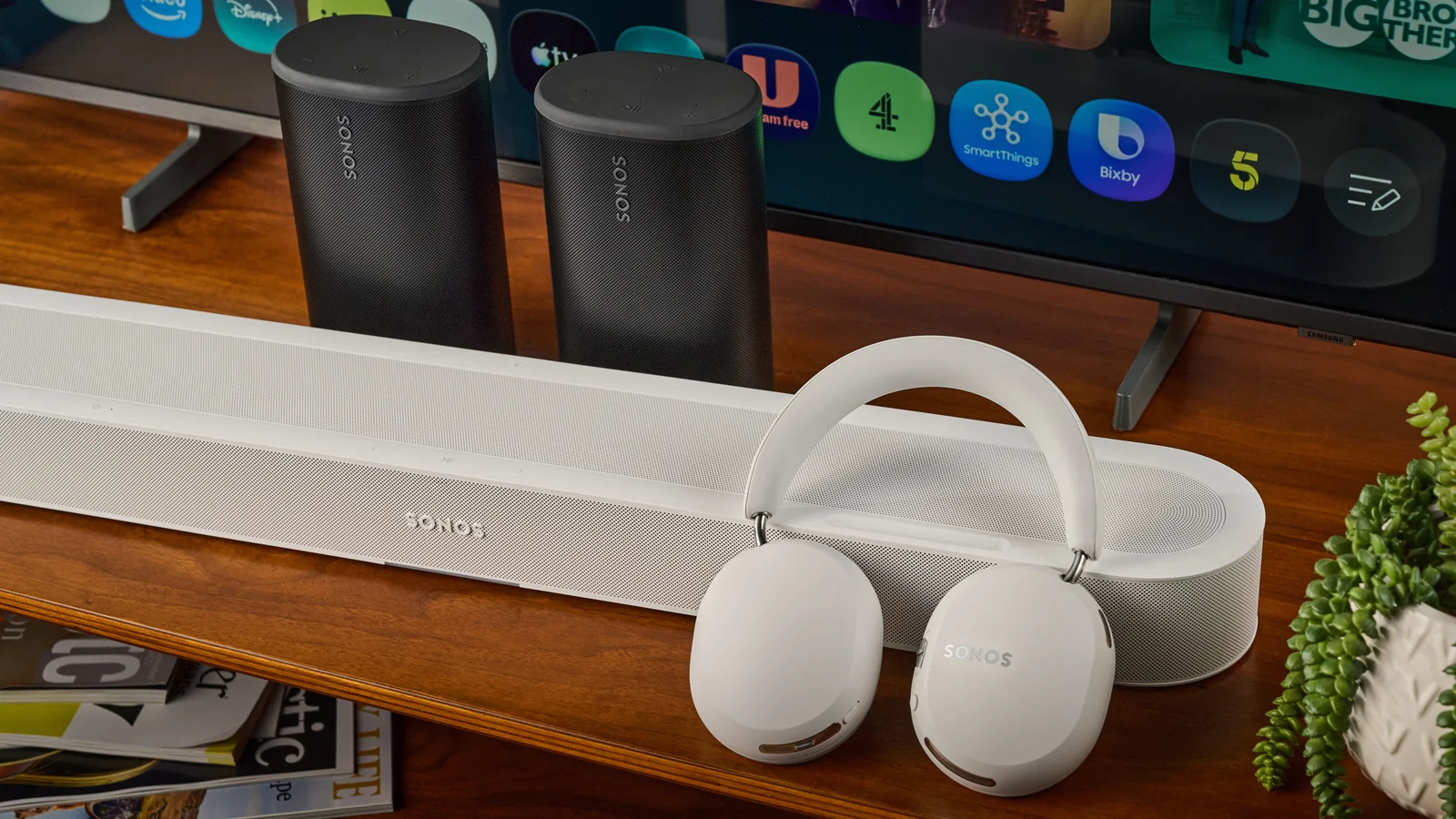
The Sonos Ace Ultra's Wi-Fi capabilities offer notable features. The TV Audio Swap function allows seamless sound transfer from compatible Sonos soundbars to the headphones. This feature is highly responsive and effective, avoiding the latency issues associated with Bluetooth connections to a TV.
Headphone Linking is another new addition, enabling sound transfer from compatible Sonos speakers, such as the Sonos Play. This feature is as reliable as TV Audio Swap, providing a convenient option for private listening at home without disturbing others.
Design and Comfort
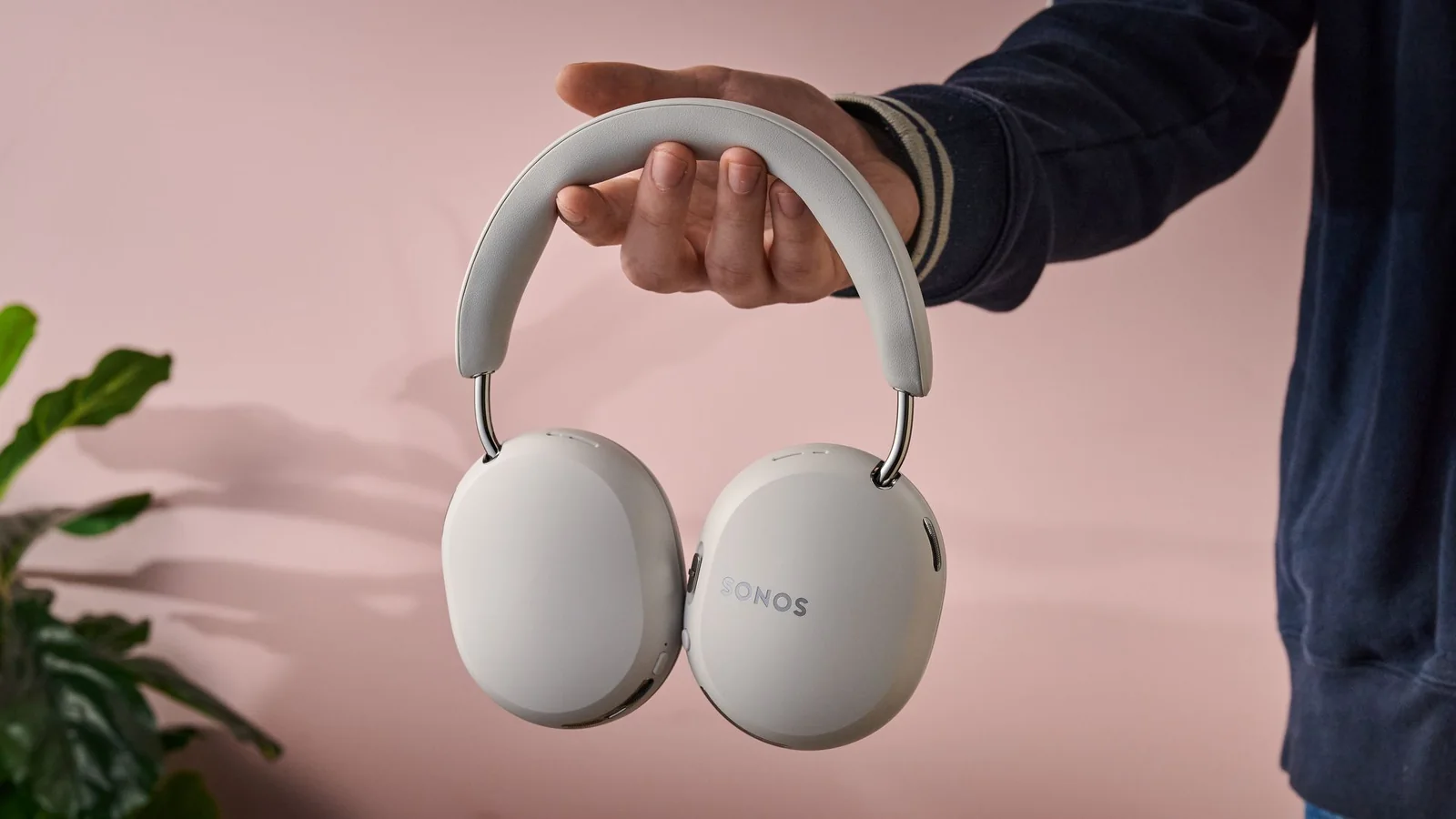
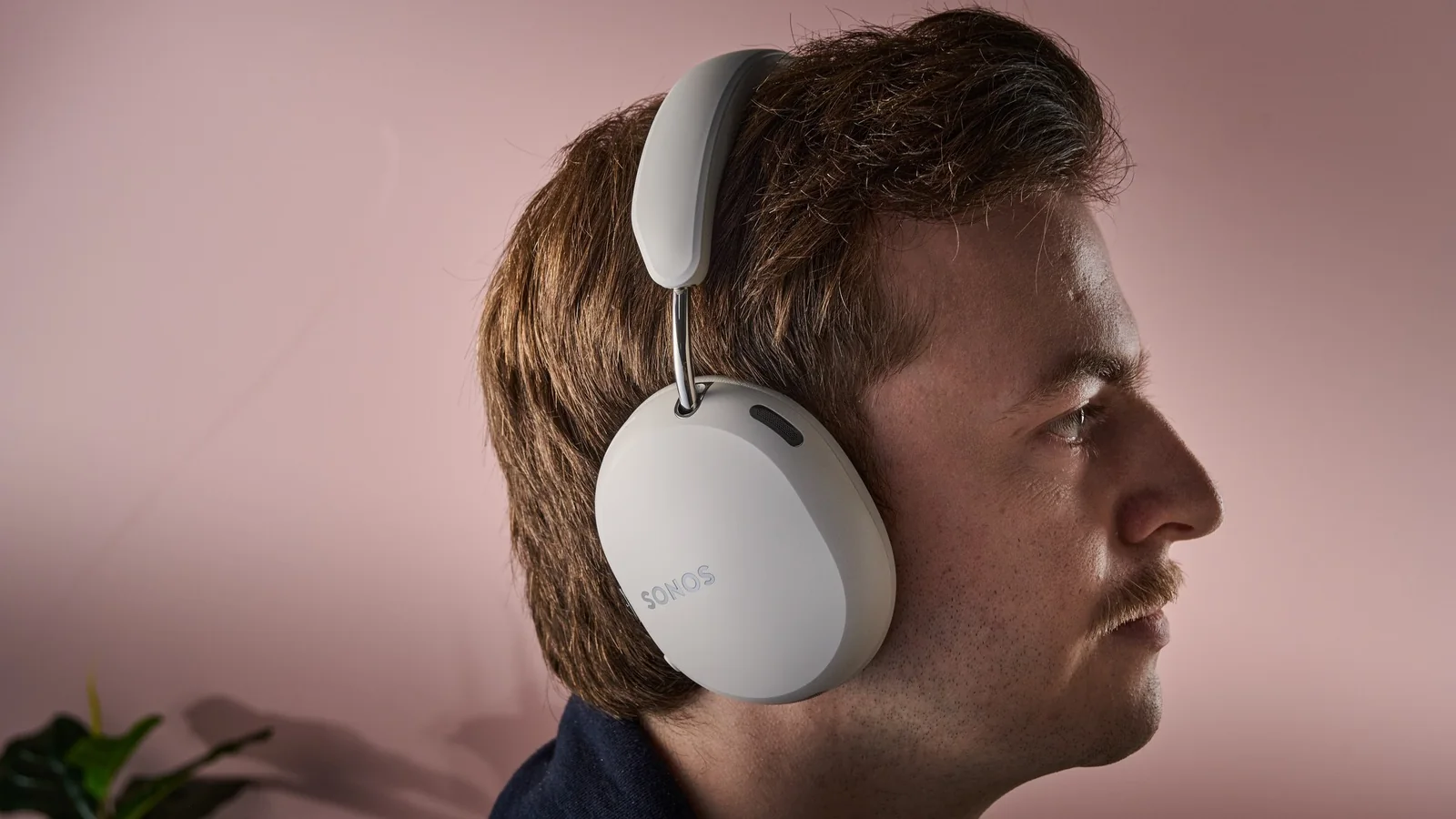
The Sonos Ace Ultra retain a similar aesthetic to the previous model, which is a positive. They feature a sleek, well-built design that combines comfort with over-ear security. The ear cups are relatively flat and understated, with a rounded, premium look enhanced by metallic details. Button controls are easily accessible and highly responsive.
Value Proposition and Competition
Given that the Ace Ultra launched at the same price as the original Ace (and even less in the UK), their significant enhancements make them a much more worthwhile investment. While not inexpensive, the meaningful improvements make them a great pair of headphones for music and movie lovers, regardless of whether they own an existing Sonos system.
Pricing and Market Position
The Sonos Ace Ultra were released in September 2026, priced at $449 / £399 / AU$699. This pricing places them in direct competition with high-end models like the Sony WH-1000XM6, Bose QuietComfort Ultra Headphones Gen 2, Bowers & Wilkins Px7 S3, and Sennheiser HDB 630.
Competitors like the Sony WH-1000XM6 offer a strong combination of balanced sound, effective noise-cancelling, and extensive features. Other rivals, such as the Bowers & Wilkins Px7 S3, are noted for their spacious sound, while the Sennheiser HDB 630 provides ultra-detailed audio.
Detailed Features
The Sonos Ace Ultra boast an excellent and highly customizable suite of smart features.
The active noise cancellation has been revamped, now including an adaptive mode that adjusts for factors like fit, glasses, and sudden head movements.
Sonos increased the number of microphones to ten, up from eight in the original Ace. These microphones monitor surroundings and effectively cut out external noise in real time, providing satisfying, distraction-free listening.
The source reviewer noted that sounds from passing cars were nullified, keyboard clacking in an office was subdued, and engine sounds and chatter on public transport were effectively eliminated. The Aware Mode is also highly effective for tuning into surroundings, with a new Voice Boost mode enhancing voice clarity.
The upgraded microphone system also improves phone call handling. During calls in busy urban environments, speech remained perfectly comprehensible and free from background noise.
Battery life has been boosted, with Sonos stating the Ace Ultra can last for 35 hours on a single charge, a claim the source review found accurate. This is a slight improvement over the original Ace's 30 hours. A rapid charging option provides three hours of playback from a three-minute charge, and a power-saving mode is available.
A welcome addition to the Ace Ultra is the expanded EQ options, now including an eight-band equalizer for detailed sound customization, a significant improvement over the basic two-band equalizer of the original Ace. A simpler three-band option is also available.
The headphones support hi-res audio with aptX codec support and lossless audio via USB-C. A USB-C to 3.5mm cable is bundled for use with various source devices.
Dolby Atmos returns on the Ace Ultra, providing spatial audio on the go, which is particularly effective for movies, with head-tracking enhancing immersion. The TV Audio Swap feature, connecting headphones to a compatible Sonos soundbar, delivers wonderful Atmos movie sound.
TV Audio Swap, while a niche feature for some, is highly reliable, utilizing Wi-Fi connectivity to avoid Bluetooth latency issues. It allows easy switching between soundbar, headphones, and other compatible Sonos speakers with a simple button press.
The Ace Ultra’s new Headphone Engine 2 enables Headphone Linking, allowing direct connection to other Sonos system components, such as compatible Sonos Play speakers, for seamless audio transfer. This is ideal for private listening at home.
Additional features include multi-point pairing, Bluetooth 6.0 connectivity, wear detection, and a relatively intuitive companion app, collectively offering a fleshed-out and refined feature set.
Sound Quality Analysis
While the original Sonos Ace were considered good headphones, their musicality prevented them from achieving greatness. Sonos addressed this criticism by implementing next-gen 40mm custom drivers, resulting in a genuinely great-sounding pair of headphones.
Comparing the Sonos Ace Ultra directly against the original model reveals a striking difference. The Ace Ultra provide a significantly broader soundstage with superior organization and balance, along with deeper, more controlled bass, and more articulate, detailed treble. The source reviewer noted enhanced handling of dynamics and improved instrument separation, bringing Sonos closer to rivals like Bose and Sony.
The Ace Ultra deliver palpable, rhythmic, and rapid bass, as observed when listening to a house track. This bass never sounded lethargic or boomy and did not overshadow other frequencies. Synths in the mid-range were well-defined and tonally accurate, while high-pitched drums came through with precision and vigor, maintaining high energy.
Treble was notably tighter on the Ace Ultra compared to the original model, and the wider soundstage provided each individual element more room to breathe, a consistent observation across listening tests.
With a funk track, the Ultra provided a considerable upgrade. Where the original Sonos Ace exhibited a confined soundstage and convoluted presentation, the Ace Ultra delivered distinct instrument placement, well-balanced bass, and perfectly audible finer percussive details. Vocals were also better separated and clear.
While the Sonos Ace Ultra are not far behind the best-sounding headphones in their price bracket, some models, such as the Sony WH-1000XM6, may offer slightly more dynamic low-end output and mid-range detailing. Headphones like the AirPods Max 2 might offer a more expansive soundstage but are also slightly more expensive.
The Ace Ultra's handling of spatial audio is impressive, supporting Dolby Atmos and head tracking to immerse users in movies and TV shows.
When using TV Audio Swap with 4K UHD Blu-ray discs, the Ace Ultra created an excellent sense of width, comparable to high-quality Dolby Atmos soundbars. Voices were clear, character movements were precisely tracked, and sound shifted dynamically with head tilts. Deep, powerful bass was delivered without sounding muddy or overbearing.
The sense of a plane flying overhead in a movie scene was genuinely convincing, as if the sound originated from above. Dialogue remained clear, and powerful sound effects were tonally accurate and controlled, contributing to a truly immersive experience.
Design and Comfort
The Ace Ultra closely resemble the original Ace, which is a positive given their appealing design. The ear cups are flat and understated, with a sleek, rounded aesthetic and metallic details that enhance their premium feel. Button controls are easy to reach and highly responsive.
Available in Soft White, Black, Agave, and Sand, all colorways are minimalistic and complement the headphones' luxurious vibe.
In terms of fit, the Ace Ultra achieve a strong balance between comfort and security. They provide sufficient clamping power to prevent sound leakage and stay secure during activity, without being overly tight. Plush ear cups and a padded headband contribute to extended comfortable listening.
A subtle design detail is the green interior of the right ear cup, aiding in quick identification. The right cup also features a slider for easy volume adjustment or triggering the Audio Swap feature, offering a tactile and reliable control experience.
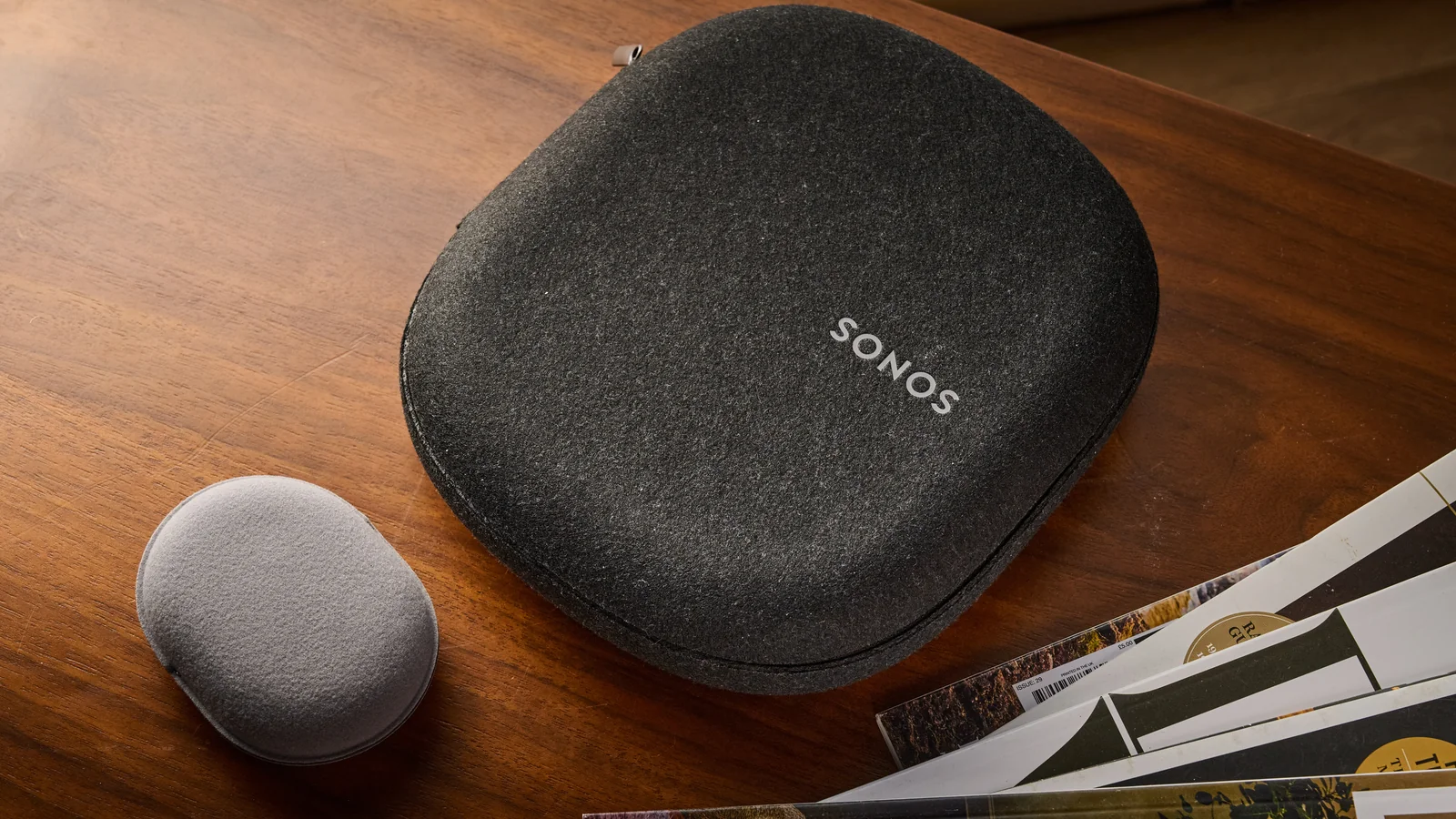
A potential drawback is that the Ace Ultra are not fully foldable. While the ear cups rotate flat for storage in the included case, rivals like the Sony WH-1000XM6 offer a more compact, travel-friendly design. Additionally, the included case's fuzzy exterior is prone to picking up fibers, and its zip was noted to jam easily, suggesting a lower quality compared to some competitors.
Overall Value
The Sonos Ace Ultra successfully address the primary shortcoming of the original model: its middling musicality. The difference in sound quality between the two models is significant, with the Ace Ultra offering a more open, organized, and detailed sound that truly competes with flagship rivals from Sony and Bose.
The headphones also provide excellent Dolby Atmos performance, Headphone Linking, and TV Audio Swap for seamless integration with other Sonos products, a beautiful design, and strong noise-cancelling capabilities. These features are particularly impressive given that the Sonos Ace Ultra launched at the same price as the original model (and less in the UK).
Priced at $449 / £399 / AU$699, the Ace Ultra represent a considerable investment. While some rivals like the Sony WH-1000XM6 and Bowers & Wilkins Px7 S3 may slightly surpass them in pure sound quality, those models cannot compete with the Ace headphones' movie performance, a significant selling point. The interactivity with other Sonos products makes them an ideal choice for owners of products like the Sonos Beam Ultra and Sonos Play.
Even for users without an existing Sonos system, these headphones justify their price with great all-round performance, an attractive design, higher-res audio codecs, wired lossless sound, and solid battery life. Overall, the Ace Ultra are a much more worthwhile investment than the original Ace and earn their price point.
Buy them if…
You want amazing headphones for movies: With Dolby Atmos compatibility and serious spatial audio skills, the Sonos Ace Ultra are arguably the best wireless headphones you can buy for movie-watching. You’ll experience expansive, three-dimensional sound with the Ace Ultra, and head-tracking will only further your immersion in any on-screen action.
You already own a Sonos system: If you own Sonos products like the Sonos Beam Gen 2 or Sonos Play, then the Ace Ultra are a very sensible buy. TV Audio Swap and Headphone Linking enable you to seamlessly transfer sound across your system, giving you unrivalled control over your music-listening and movie-viewing experiences.
Don’t buy them if…
You want the best-sounding headphones in this price-bracket: While the Sonos Ace Ultra offer great musicality, they can still be beaten. The Sony WH-1000XM6 provide a bit more bite and detailing, while the Bowers & Wilkins Px7 S3 provide even more nuanced soundstaging and instrument separation.
You want the best possible cans for travel: The Sonos Ace Ultra supply awesome ANC and do come with a carry case, but unlike some rivals, they’re not fully foldable. Rivals like the WH-1000XM6 are much more compact if you’re on the go and don’t have much space in your bag, for instance.