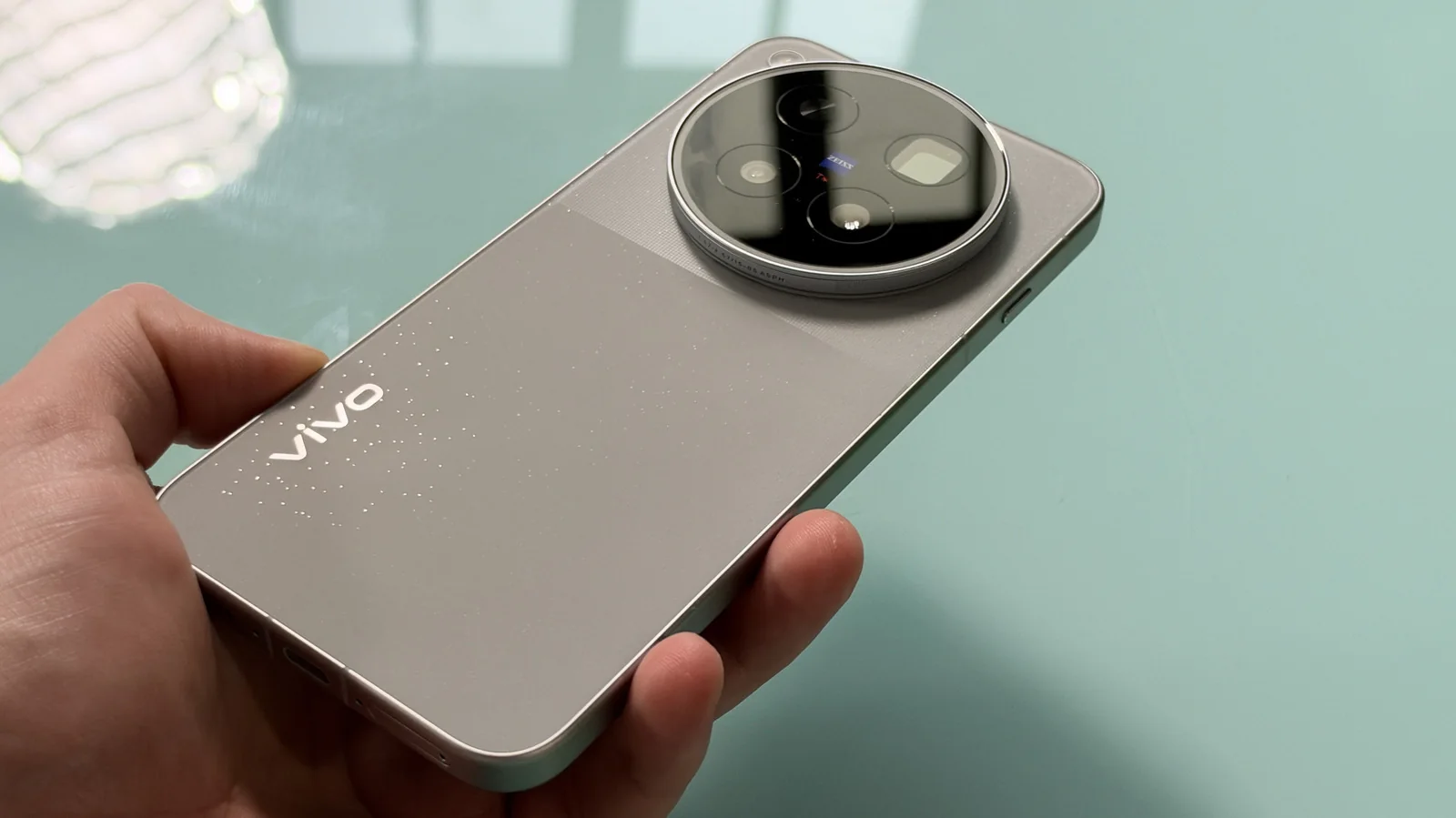
Vivo's X500 Pro Max is another camera-focused smartphone with more video tricks
Vivo and Oppo are launching similar phones with different priorities.
Vivo is one of several Chinese phone manufacturers rapidly iterating on high-spec camera smartphones. However, it remains less well-known than rivals like Xiaomi and Oppo. The X500 Pro Max features attachable telephoto lenses, cage grips and a partnership with lens maker Zeiss. Surprise, it's all about the cameras (again), but with a videography twist!
As we saw with Oppo's Find X10 Pro Max, Vivo faces the challenge of being compared to its existing, more premium smartphone, the X300 Ultra, at a time when phone prices are soaring. The X500 Pro Max is a major upgrade over the X300 Pro, and it even bests the X300 Ultra in some areas.
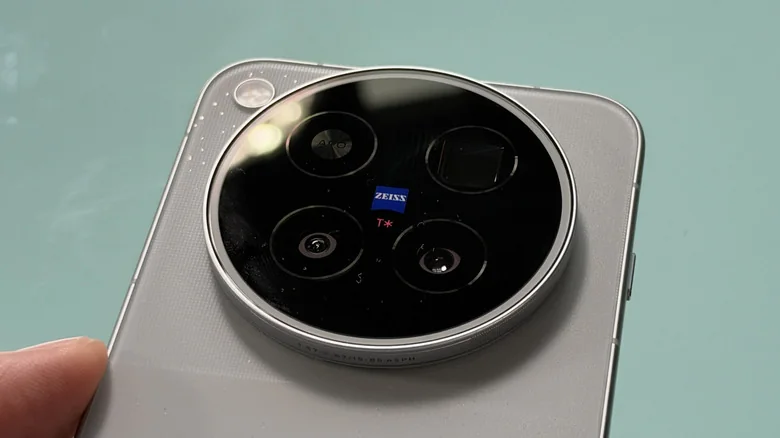
Vivo's camera obsession continues
The biggest camera upgrade is a new 50-megapixel Sony Lytia 1/1.28-inch sensor with an f/1.6 aperture, which offers 17 stops of dynamic range due to the sensor's LOFIC technology. It also packs a 50MP ultra-wide camera with a 1/1.75-inch sensor, while the telephoto camera uses a higher-resolution (and larger) 200MP 1/1.4-inch sensor for lossless zoom up to 10x magnification.
Vivo goes hard on image stabilization again, with the main sensor using three-degree gimbal-grade stabilization while the telephoto camera has CIPA 7-rated OIS. They're two versions of a similar thing: A three-degree rating measures the physical range of motion the camera hardware can compensate for, while a CIPA 7.0 rating measures the final anti-shake effectiveness in terms of exposure time.
The latter, found on the periscope telephoto camera, helps optimize long zoom and low light, when small movements and micro-tremors from your hand can affect capture. The gimbal grade three-degree OIS helps stabilize shots when you're shooting action and recording video on foot.
Video is once again a very important part of the X500 Pro Max's feature set. The Pro Video Mode supports users' custom LUTs, with a real-time preview of how it will look. Vivo's log format also supports the ACES workflow for video professionals working with a smartphone camera.
All the gimbal advances ensured that the video footage recorded on the X500 Pro Max is some of the smoothest, judder-free footage captured without a dedicated gimbal. In low light, the footage lacked the pulsing pixel effect that often happens when a camera struggles to stay in focus.
The pro camera interface looks professional, but on a 6.85-inch display, the on-screen buttons and readouts are a bit tiny. Notably, the X500 Pro Max lacks an open-gate recording option, which Oppo does have on its Find X10 Pro Max. With an upgraded processor compared to the Ultra, the X500 Pro Max supports 4K recording at up to 240 fps, doubling the X300 Ultra's 120 fps cap.
Vivo's LOFIC camera sensor uses different technology to Oppo's DeepPix, but the result is broadly the same: 17 stops of dynamic range. The route is different, though. The LOFIC sensor adds extra capacitors to each pixel to catch and store overflow light charge. Meanwhile, Oppo's DeepPix redesigns the existing pixel setup inside a sensor, using FDTI to isolate pixels and expand capacity physically.
Photos from Vivo's new phone seem more vibrant, with a bit more contrast. However, highlight suppression can occasionally make scenes look too augmented, as if they've already been edited in Photoshop, making them look less realistic. By comparison, Oppo's Find X10 Pro Max seems to lean toward more accurate colors.
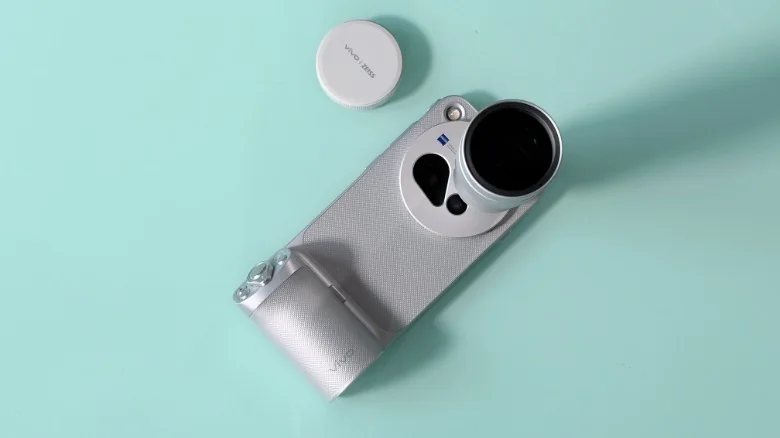
Vivo's X500 Pro Max supports both of its Gen 2 teleconverter lenses, co-produced with Zeiss. The Gen 2 Telephoto Extender adds 2.35x magnification while the Gen 2 Ultra cranks it up to 4.7x optical zoom, on top of a 200MP periscope telephoto sensor. The results between the X500 Pro Max and the older X300 Ultra are comparable, which makes sense since the hardware is the same and uses an almost identical camera sensor.
That said, it's also great that these existing lenses work with Vivo's newest phones, although you will need a new compatible case and mounting plate.
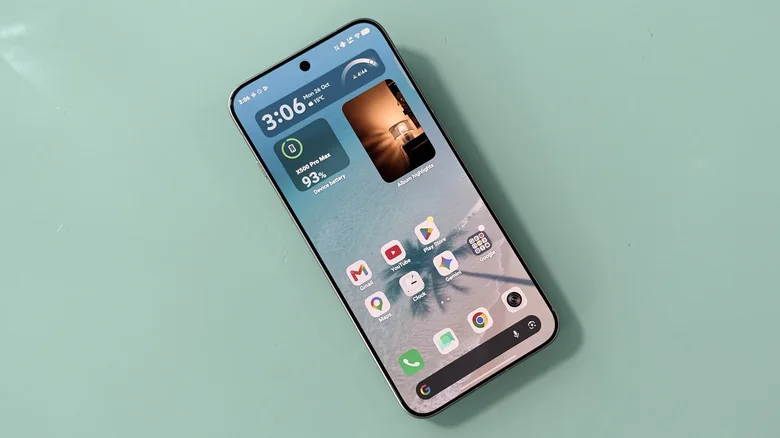
Design and hardware
Aside from the cameras, in terms of hardware design, the X500 Pro Max looks like any Vivo phone from the last 12 months. The new phone does have a new dot-matrix effect across the rear glass panel, which occasionally catches the light, unless it's in a case.
Inside, the X500 Pro Max has MediaTek's new Dimensity 9600 Pro 2nm processor and a massive 7,800mAh battery in some territories. For context, Vivo's flagship X300 Ultra had a 6,600mAh battery. Fortunately, it supports high-wattage charging up to 90W with Vivo's own charger. It also supports bypass charging, which lets you continue to charge the phone during intensive activities like gaming or recording high-res video.
The X500 Pro Max also features a slightly larger 6.85-inch display than the X300 Ultra's 6.82-inch screen, both sharing the same 1,440 x 3,168 resolution, with up to a 144Hz refresh rate, Dolby Vision, HDR10+ support and peak brightness up to 4,500 nits. The phone also boasts IP68 and IP69 dust and water resistance.
Software weaknesses
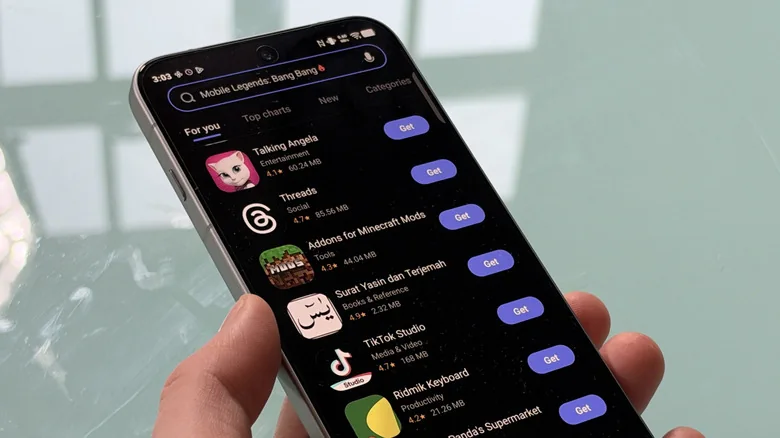
If there's a weakness to Vivo's X series phones, it's the software. Within the X500 Pro Max's custom skin, Origin OS 7, unsolicited tips appear too often, interrupting usage to explain basic swiping gestures and features. This is on top of software fluff, including a proprietary app store that tries to latch onto popular apps, creating a cluttered and chaotic experience.
Vivo's new flagship takes a similar approach to rival Oppo's Find X10 Pro Max in hardware upgrades. While the company claims it's a global launch, Vivo is sticking to a similar list of countries that sold the X300 Ultra, with no US or UK availability, though it will launch in Spain, Brazil, India, Austria, Italy, Singapore, Hong Kong and many other regions.