WiiM Bar review
In recent years, WiiM has emerged as a serious multi-room rival to Sonos, and now it is looking to try its hand in the world of Dolby Atmos soundbars. The WiiM Bar is the company's first ever soundbar, bringing virtual Atmos, a unique screen-equipped design, and a large array of connectivity options to the table.
The source review evaluated how well the WiiM Bar competes with established soundbar brands, testing its acoustic capabilities across various media formats.
If you want to compete with the best soundbars around, you better sound good — and the WiiM Bar is a very solid performer. It is a standalone 3.0.2 model, so it does not come with a sub or surround speakers, and skips on up-firing drivers for true Atmos, but given these restrictions, it is a very capable model indeed.
Audio Performance
When watching content utilizing virtual Dolby Atmos, the source reviewer observed that the vertical movement was tracked precisely. Dialogue handling was noted as clean and well separated from the action, even during heavy bass sequences.
Sound effects and character dialogue remained phenomenally clear, resulting in a truly expansive viewing experience across various cinematic mixes.
However, the source review notes that the WiiM Bar does not produce the most dynamic sound at this price point. Sudden loud noises occasionally lacked the sheer impact and bite expected, and the lowest frequencies can feel a touch subdued without adding an external subwoofer.
Bass performance remains adequate, with eerie scores and deep vocal registers replicated effortlessly alongside impressive soundstage width.
In terms of musicality, performance is good rather than great. Low-end delivery can lack rhythmic precision on certain tracks, though mid-range synths and Atmos music mixes retain plenty of definition.
Features and Usability
A maximum power output of 135W allows the soundbar to climb to impressive volumes suitable for larger spaces. Additionally, a dedicated Night mode provides a softer listening experience.
Additional sound profiles include a Voice mode for dialogue clarity, a Movie mode for cinematic audio, and a Music setting, all selectable via the included remote or the companion application.
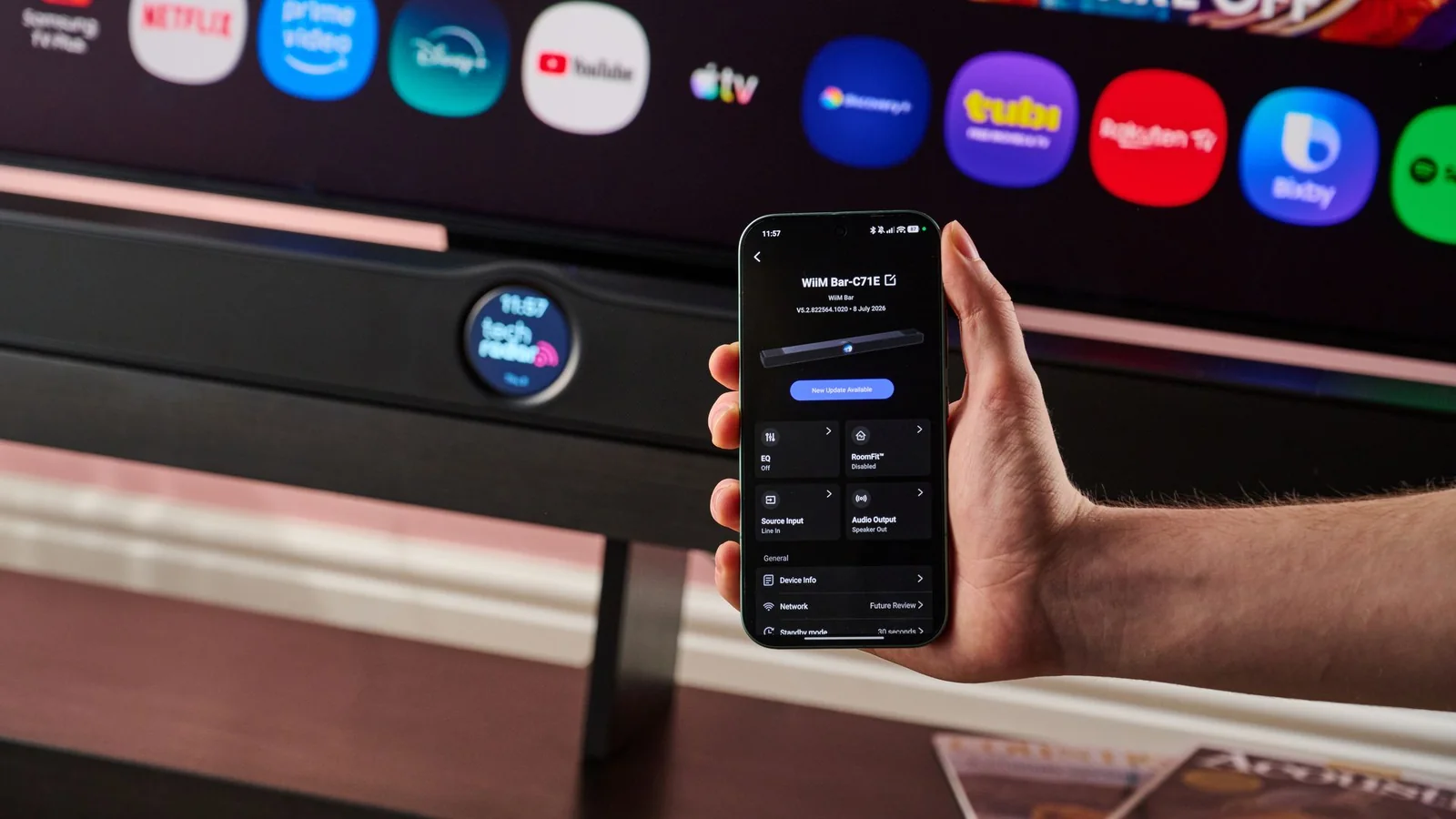
The WiiM companion app stands out for its extensive feature set, allowing users to customize the display, edit parametric EQs, and utilize RoomFit for individualized channel calibration.
Connectivity and Design
Versatility is a major strength, featuring HDMI eARC, Bluetooth, Wi-Fi, optical, USB, and RCA inputs for devices like turntables. It also supports both Dolby Atmos and DTS:X formats.
A notable omission is the lack of HDMI passthrough, meaning users cannot plug a games console or streaming box directly into the soundbar itself.
AirPlay 2 support is also missing, though Google Cast and Bluetooth are available for mobile streaming.
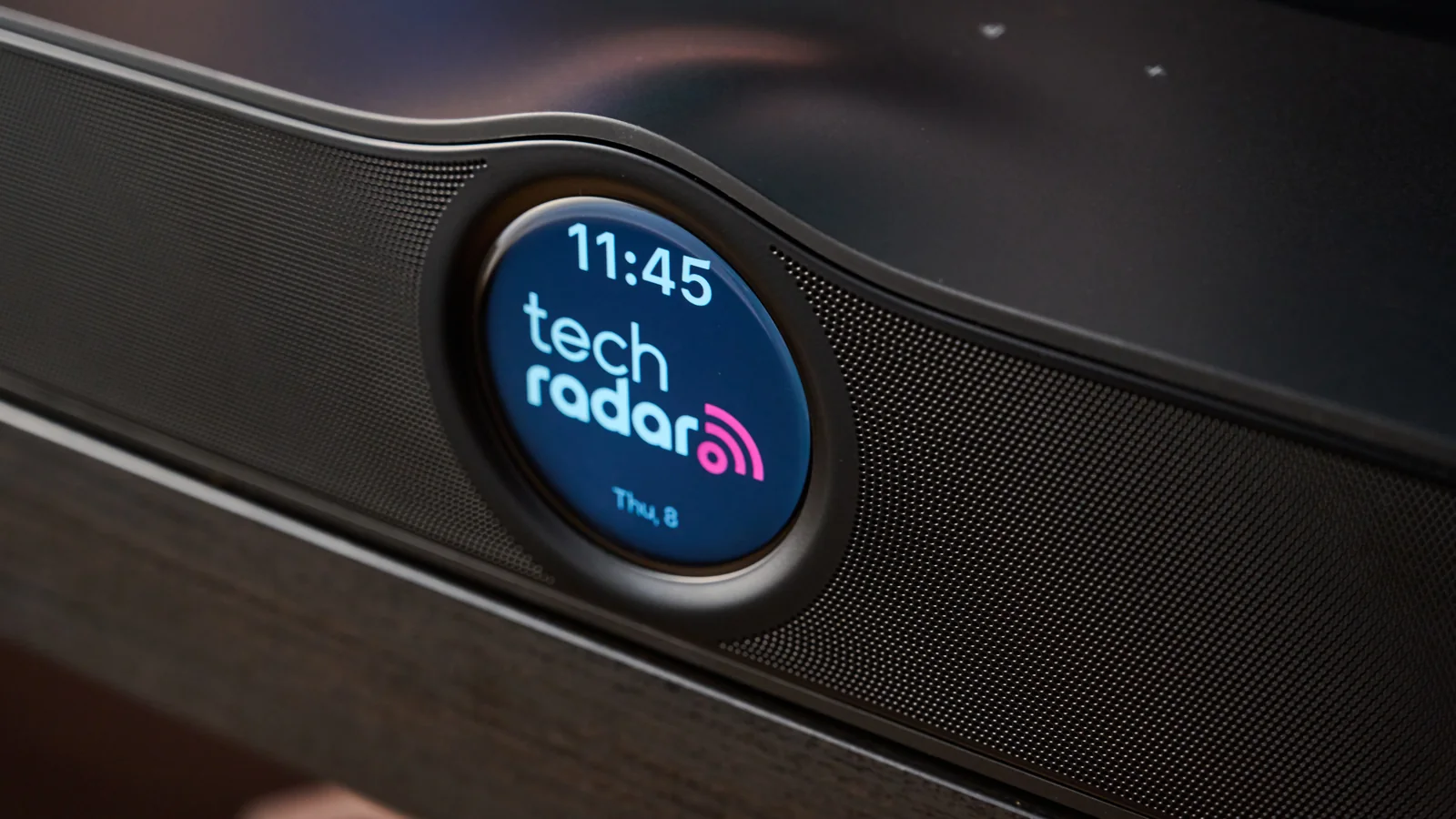
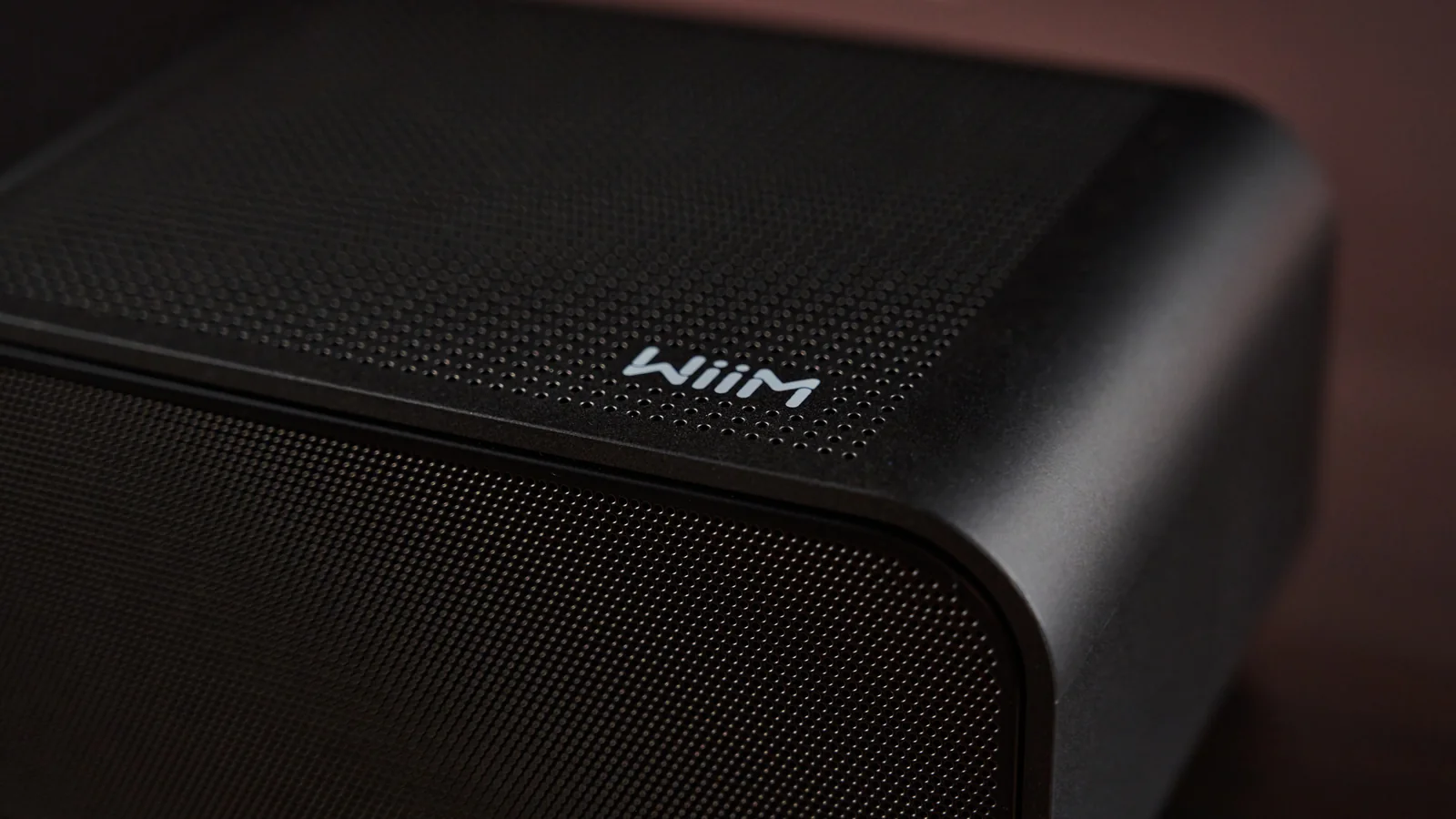
The unit's physical design is somewhat divisive. While the built-in display functions well as a clock or media indicator, the raised center console gives the chassis a somewhat awkward appearance compared to sleeker competitors.
The plain black finish lacks the premium aesthetic found on higher-end Sonos alternatives, though personal preference will dictate user reception.
The bundled remote control is praised for its quality construction, dedicated sound mode buttons, and built-in microphone for voice commands.
Verdict and Value
Priced at $479 / £449 / AU$769, the WiiM Bar sits comfortably in the mid-range category. It delivers great virtual Atmos, clear dialogue, and flexible expansion options, though alternatives like the Sonos Beam or Samsung models offer stiffer competition in specific areas.
For buyers already invested in the WiiM ecosystem or looking for a competent single-box audio solution, the device represents a compelling purchase.