The Debate Begins
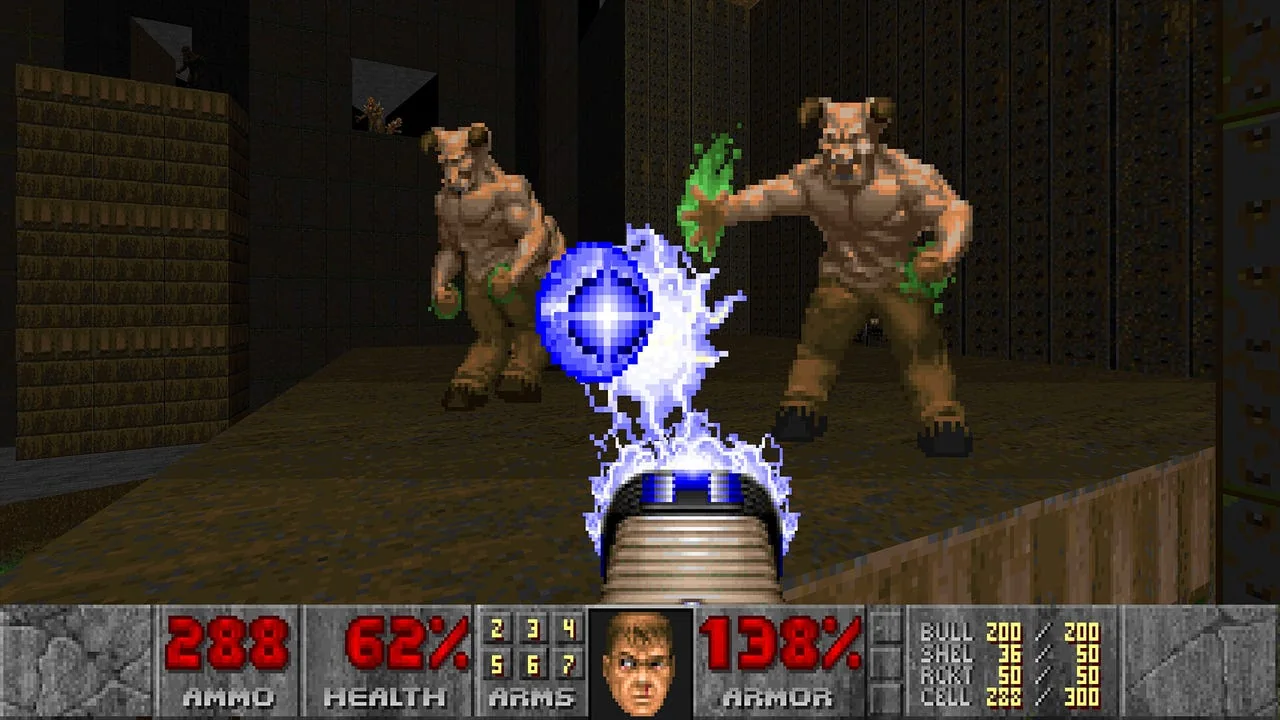
The 1993 first-person shooter Doom remains a foundational pillar of gaming history, but the specifics of its development are currently being debated online by two of its key creators. Doom co-creator John Romero and level and game designer Sandy Petersen recently took to social media to dispute conflicting recollections regarding the origin of the game's groundbreaking DeathMatch PvP multiplayer mode.
The exchange began when Petersen posted a thread detailing his career before joining id Software, referencing his work on the 1990 real-time strategy game Command HQ. Petersen claimed that at id Software, the team initially believed few players would engage in head-to-head multiplayer because earlier titles lacked robust online experiences. Nevertheless, the team retained DeathMatch in Doom because they enjoyed playing it themselves.
Romero's Response
Romero publicly contested this account, pointing out that id Software had issued a press release in January 1993—months before Petersen joined the company—stating that multiplayer would be a core feature and predicting it would significantly impact workplace productivity. Romero expressed frustration over inaccurate historical claims on public platforms.
Petersen and Romero Exchange Counter-Claims
Petersen replied by maintaining that regardless of pre-release press statements, subsequent internal discussions after he joined the studio involved agreement that DeathMatch might not achieve massive commercial success. He defended his recollection against Romero's assertions.
Romero reiterated his stance, stating that the development team firmly anticipated the monumental impact multiplayer would have from the very beginning, a belief confirmed immediately after the game launched.
Legacy of Doom
Regardless of pre-release expectations, Doom launched in December 1993 and fundamentally transformed the first-person shooter genre, laying the groundwork for all subsequent multiplayer titles. The franchise continues to endure decades later under id Software, maintaining a massive cultural footprint in the gaming industry.