Rising Component Costs
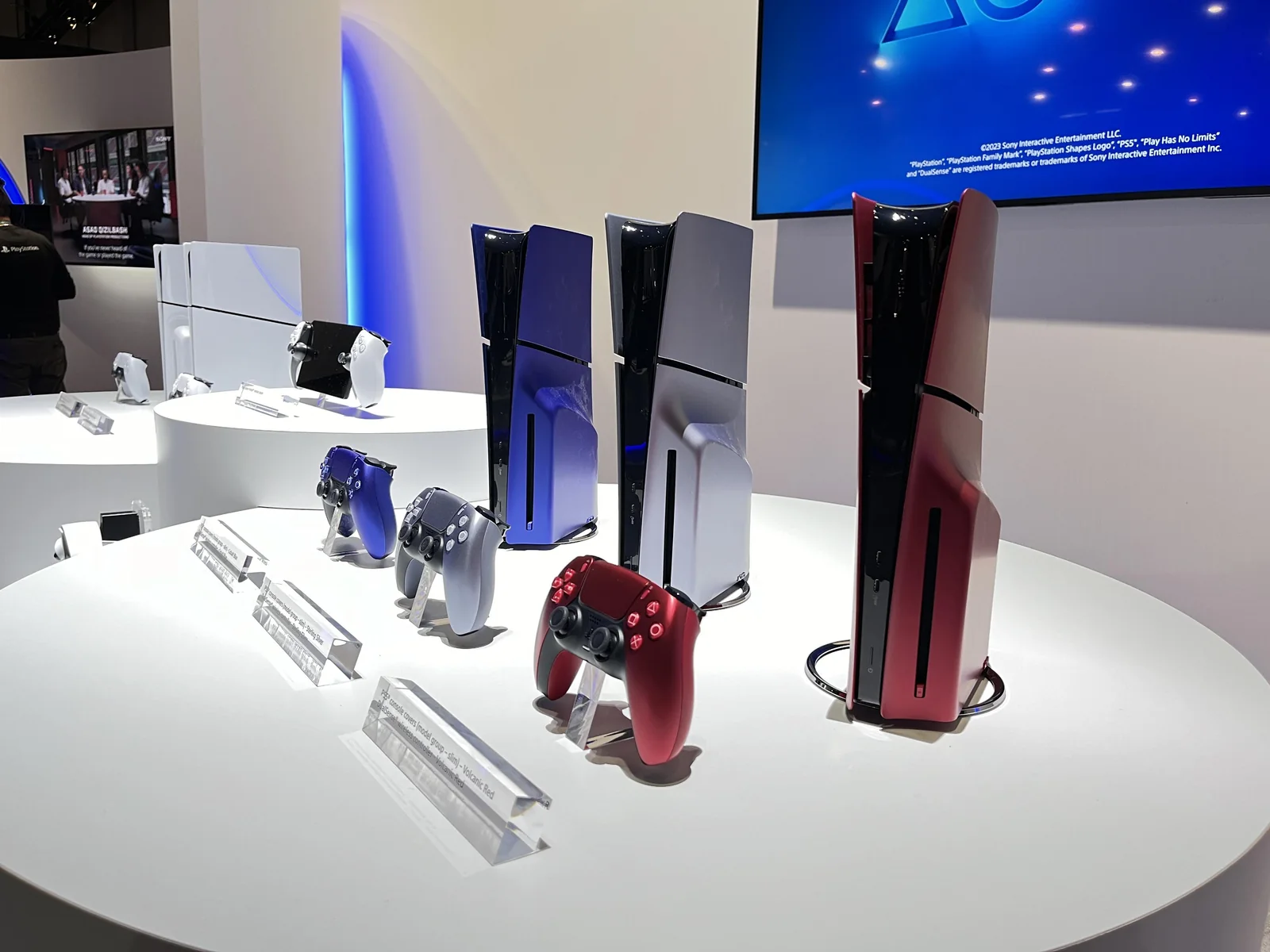
The hardware used to build the PlayStation 6 may cost nearly $1,000, according to longtime leaker KeplerL2. In a NeoGAF thread about next-generation consoles, they indicated "RAM + NAND alone is over $680," which means those two components — memory and storage — might cost more than the standard PlayStation 5.
As with any leak, there’s no certainty that KeplerL2 is correct, but there is some evidence that backs up the leaker’s assertions. As the AI industry hoovers up important components like RAM and system storage for massive data centers, the price for these parts skyrockets. This so-called RAMageddon creates an inflationary ripple effect touching many of the biggest tech industries.
It’s a grim update, considering KeplerL2 posted in March about the PlayStation 6’s bill of materials and priced it out at around $760. By June, the leaker amended their statement, writing that the component cost had changed and that it would be closer to $960.
But costs have continued climbing for every tech manufacturer, and the latest post makes it clear that RAMageddon has introduced even more pricing uncertainty for the PlayStation 6.
Sony has previously indicated that it doesn’t plan to sell any PlayStation consoles "at a significant loss." Between the revised bill of materials and associated R&D and labor costs, PlayStation 6 production could cost well over $1,000 per unit. Even if Sony only eats a couple of hundred dollars in losses on each PS6, it has become increasingly clear that the next-generation console could crest that $1,000 price.
A Sony representative didn’t immediately respond to a request for comment.
The New Normal for Hardware Pricing
A four-figure home console might make your eyes water, but it’s the natural end result of an economic environment ravaged by tariff uncertainty and the AI industry’s hardware demands. The budget tech niche is hurting right now, and in some cases disappearing altogether, as seen across the broader electronics market.
This phenomenon has no doubt affected spending habits, as some of the biggest tech sectors have slowed or even begun to contract. Smartphone shipments just hit a 14-year low, and PC and laptop shipments have dropped 20% within the last 12 months.
If you’ve been paying attention to the games industry, this has been playing out for a while. The current generation of consoles is more expensive across the board than they were upon release, and Circana analyst Mat Piscatella recently revealed that US Xbox and PlayStation sales have fallen year-over-year.
Microsoft, a company that has traditionally subsidized its console prices, now has a $500 barrier to entry for its console ecosystem. Its next-generation Project Helix console will also likely cost more than $1,000.
The Steam Machine is the first console-like device to cost over $1,000. It likely won’t be the last.
Valve starts the Steam Machine at $1,049. That’s a four-figure price tag for a console with only 512GB of storage.
If Sony is already warning folks that it won’t take a big hit on the PlayStation 6’s hardware, then it’s time to look around at the rest of the industry. We already know what to expect. Consoles with current-gen hardware are already going up in price, and next-generation home consoles aren’t going to be any cheaper.
A discless console with a $1,000 price tag is a major shift for the market. This appears to be the new normal, and things are likely to remain challenging for gamers as long as component supply constraints persist.