Development Budget and Sales
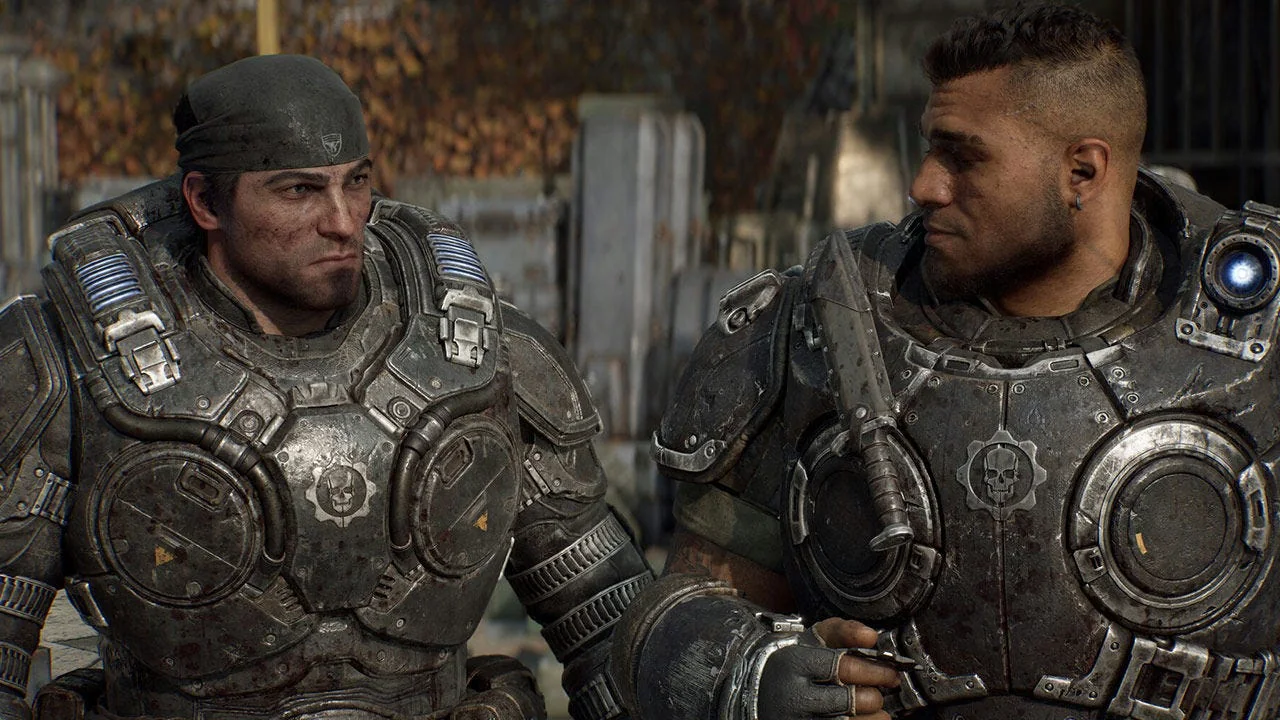
Gears of War: E-Day reportedly cost $500 million to make, amid claims it has sold just over 400,000 copies.
The Coalition’s action game launched on Xbox Series X and S and PC only, after Microsoft went down the console exclusive route following Asha Sharma’s arrival as Xbox CEO. As a Microsoft Studios game, E-Day also launched day one on subscription service, Xbox Game Pass.
This week, reports indicated that E-Day had sold over 400,000 copies across console and PC. That’s a challenging sales figure for a triple-A video game of Gears of War’s scope, raising concerns over the commercial situation for Microsoft and The Coalition given the extraordinary budget.
Industry reporting has further corroborated details regarding E-Day’s substantial production budget as major studios face rising development costs.
Rising AAA Game Costs
The massive investments required for modern North American AAA games are driving companies to pursue cost-cutting measures, navigate structural changes, and focus heavily on established franchises.
The estimated $500 million figure for E-Day places it among the most expensive video games ever developed, surpassing budgets seen across several other high-profile contemporary titles.
Analyst estimates calculated early revenue figures following release across Steam and Xbox platforms, noting potential benefits to Game Pass subscriber acquisition alongside platform exclusivity discussions.
Key questions remain regarding whether subscriber growth on Game Pass can sufficiently offset lower direct sales revenue for a title with such a high financial threshold.
Recent financial updates from leadership highlighted strong performances in other catalog areas while broader portfolio strategies continue to evolve.
Studio Impact and Future
What this means for the future of the franchise remains under scrutiny. Studio leadership has addressed staff concerns regarding timelines and workflow efficiencies for upcoming projects.
Reports of internal caution at development studios highlight the pressures teams face following major product launches in the current publishing climate.
Broader restructuring across Microsoft’s gaming division has involved organizational shifts and staffing adjustments as part of an ongoing operational reset.
Studio representatives have emphasized that project success encompasses more than initial unit sales, highlighting technical achievements and hardware showcase goals.