Bringing the Hunt to Mobile
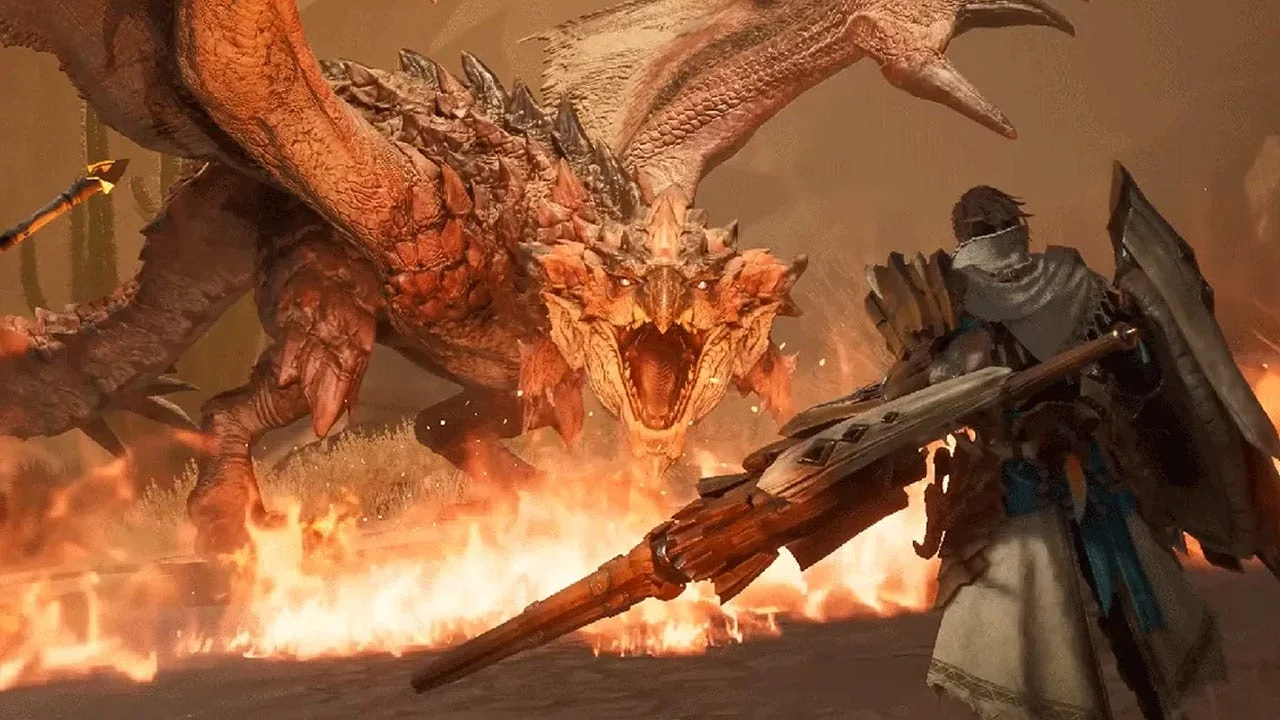
Few games have changed the trajectory of their respective series quite like Monster Hunter World, remaining an ambitious leap that developers continue chasing years later. Monster Hunter Outlanders manages to cram the core experience of World into a mobile game. While it is not attempting to reinvent the formula, early impressions reveal a surprisingly competent package, though concerns remain regarding the heavy grind and encroaching gacha systems.
Mobile spinoffs of major franchises often truncate the console experience. However, Outlanders does not simplify the overall gameplay loop and structure. Instead, it reconfigures progression to fit a standard mobile framework complete with nearly a half-dozen currencies, while retaining the deep storytelling exposition expected from the franchise.
The adventure begins with a cinematic opening detailing an expedition to an uncharted island named Aesoland. The region features Radiant species of monsters enhanced by a mineral called Radiantite, offering an in-universe explanation for tweaked monster abilities and redesigned classic beasts.
Familiar Formula and World Design
The title heavily relies on the formula established by World, transporting familiar mechanics to new locations. The opening area is a heavily forested environment featuring verticality for climbing and ambushes. Players engage in the traditional loop of taking missions, tracking monsters in instanced maps, harvesting materials, and crafting powerful gear.
A moderately sized open world allows players to hunt smaller monsters and gather materials freely. Features like scoutfly trails, buildable structures, and interacting predator monsters return to create a compelling gameplay loop. Furthermore, the presentation is impressive, delivering stunning environments with consistent framerates during testing on an iPhone 14 Plus.
Combat and Control Options
Combat mechanics are streamlined to accommodate touchscreens, though controller support is available. The game offers two control methods: Adventure Mode and Classic Mode. Adventure Mode targets newcomers by streamlining actions into three buttons and contextually handling dodges and blocks. Classic Mode offers full manual control with traditional button combos.
Classic Mode proves cumbersome for touch-only controls, while Adventure Mode simplifies combat to the point of losing some traditional challenge. Consequently, the optimal way to play requires Classic Mode paired with a physical controller, which naturally invites the question of why players wouldn't simply choose a dedicated console entry.
Party Building and Gacha Mechanics
Progression diverges from traditional entries through a party-building system styled after gacha games. Players can recruit distinct story characters to serve as NPC companions by spending an in-game currency named Rutacoins.
Each adventurer features a distinct moveset tied to a specific weapon type. While building a four-person party is initially accessible using early-game currency, the system hints at future frustration when dealing with duplicate character pulls and acquiring desired additions down the line.
Progression and Pacing Concerns
The economic progression loop feels slower than standard franchise entries. Players must juggle Zenny for upgrades, Rutacoins for recruits, and Research Points for skill trees, alongside various other materials required for leveling characters and crafting items.
While juggling multiple progression elements is a franchise staple, the sheer volume of currencies and lengthy tutorials create noticeable fatigue. Navigating menus and figuring out upgrade paths heavily impacts the opening hours.
These pacing issues make the early game feel like a slog compared to World or Rise. The primary concern is how resource walls and gacha mechanics will impact the overall experience when tackling more difficult end-game hunts.
Overall, the title pleasantly surprises through its faithful combat timing and uncompromised world design. While insidious mobile elements linger at the edges, the core experience holds strong potential for the long term.