This is The Stepback, a weekly newsletter breaking down one essential story from the tech world. For more on the biggest game releases of the year, followAndrew Webster. The Stepback arrives in our subscribers’ inboxes on Sunday at 8AM ET. Opt in for The Stepbackhere.
The November Blockbusters
The two biggest games of the year launch in November, offering some reprieve from a difficult year for the industry.
New Zelda and GTA represent a games industry that no longer exists
The two biggest games of the year launch in November, offering some reprieve from a terrible year.
How it started
The two biggest games of 2026 are set to launch just a few weeks apart in November.
Grand Theft Auto VI arrives after 13 years of development, following the massive success of GTA V, which sold 230 million copies. Rockstar Games continues to push the boundaries of open-world realism, with the upcoming title expected to eclipse its predecessors in scale and ambition.
Analyst firm Circana estimates that 29 percent of US gamers intend to purchase the title, potentially driving hardware sales for PlayStation 5 and Xbox Series consoles. The game's influence is so significant that many other publishers scheduled their releases to avoid direct competition.
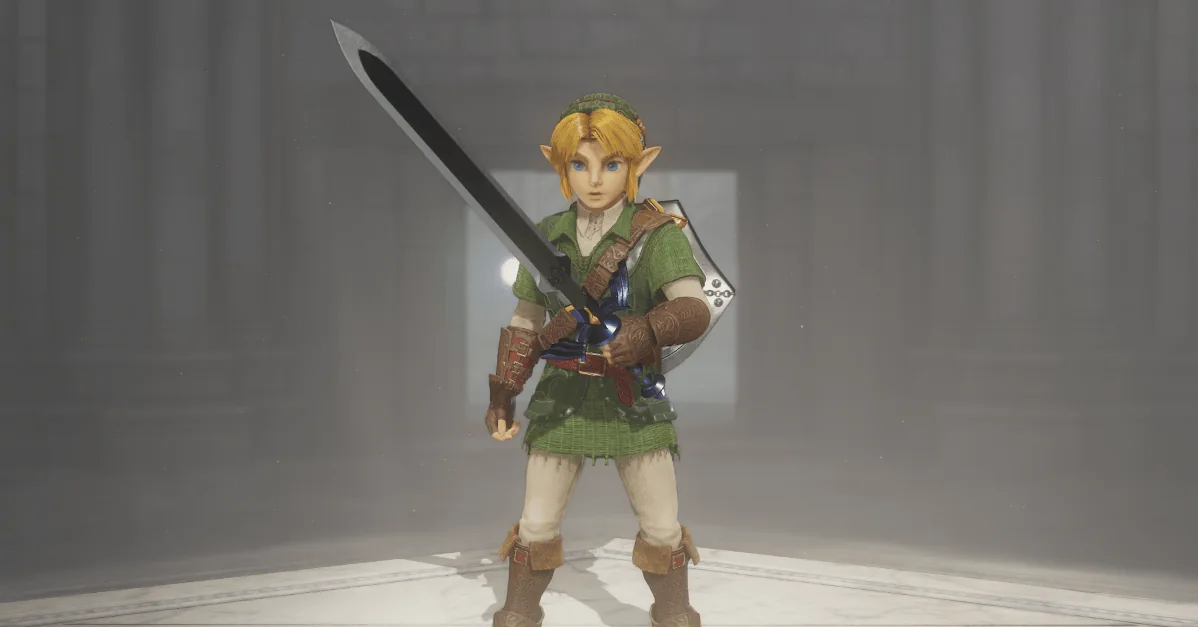
Nintendo serves as the primary exception, positioning a lavish remake of The Legend of Zelda: Ocarina of Time as its major holiday release and a key exclusive for the Switch 2.
The remake modernizes one of the most influential 3D games in history. This release follows the success of Breath of the Wild and Tears of the Kingdom, which shifted the franchise toward player-driven, open-world design.
With a live-action Zelda movie slated for 2027, Nintendo is leveraging the franchise's growing prominence to compete directly with Rockstar's juggernaut.
These releases represent a rare cultural moment for video games, generating mainstream attention comparable to major film events.
However, these two titles stand in stark contrast to the broader state of the industry.
Industry Turbulence
While these November releases are highlights, 2026 has been marked by significant industry challenges, including widespread layoffs, studio closures, and rising hardware costs.
Major players are struggling: Xbox has undergone a significant reset involving thousands of layoffs and studio closures; Epic Games reduced its workforce by over 1,000; and Sony has cut staff at Bungie while facing declining console sales.
The trend of downsizing continues, with EA closing BioWare and canceling projects, and Sucker Punch cutting staff despite recent successes.
What happens next
Future Uncertainties
The industry is at a crossroads. Rising development costs and the integration of AI tools are forcing a reevaluation of traditional business models. While some executives view these shifts as beneficial for long-term player outcomes, the immediate future remains volatile.
While studios like FromSoftware and Remedy have maintained stability, the blockbuster model is increasingly unsustainable due to escalating production and hardware costs.
Nintendo and Rockstar occupy unique positions that are difficult to replicate. Nintendo controls its entire hardware and software ecosystem, while Rockstar's long-term success with GTA V provided the resources to sustain massive, multi-year development cycles.
Zelda and GTA serve as throwbacks to an era of guaranteed blockbuster hits, a phenomenon that may become increasingly rare as the industry continues to undergo fundamental changes.
By the way
The Ocarina of Time remake introduces modern gameplay refinements to the original formula.
Development cycles for future GTA titles may be shorter than the extended period required for GTA VI.
Moomin: Midsummer Madness was another notable title that launched in November.
Read this
Detailed accounts of GTA VI's development are available in industry publications like Edge and Businessweek.
The evolution of the Zelda franchise since the original Ocarina of Time remains a significant point of interest for long-term fans.