The Foldable Experience
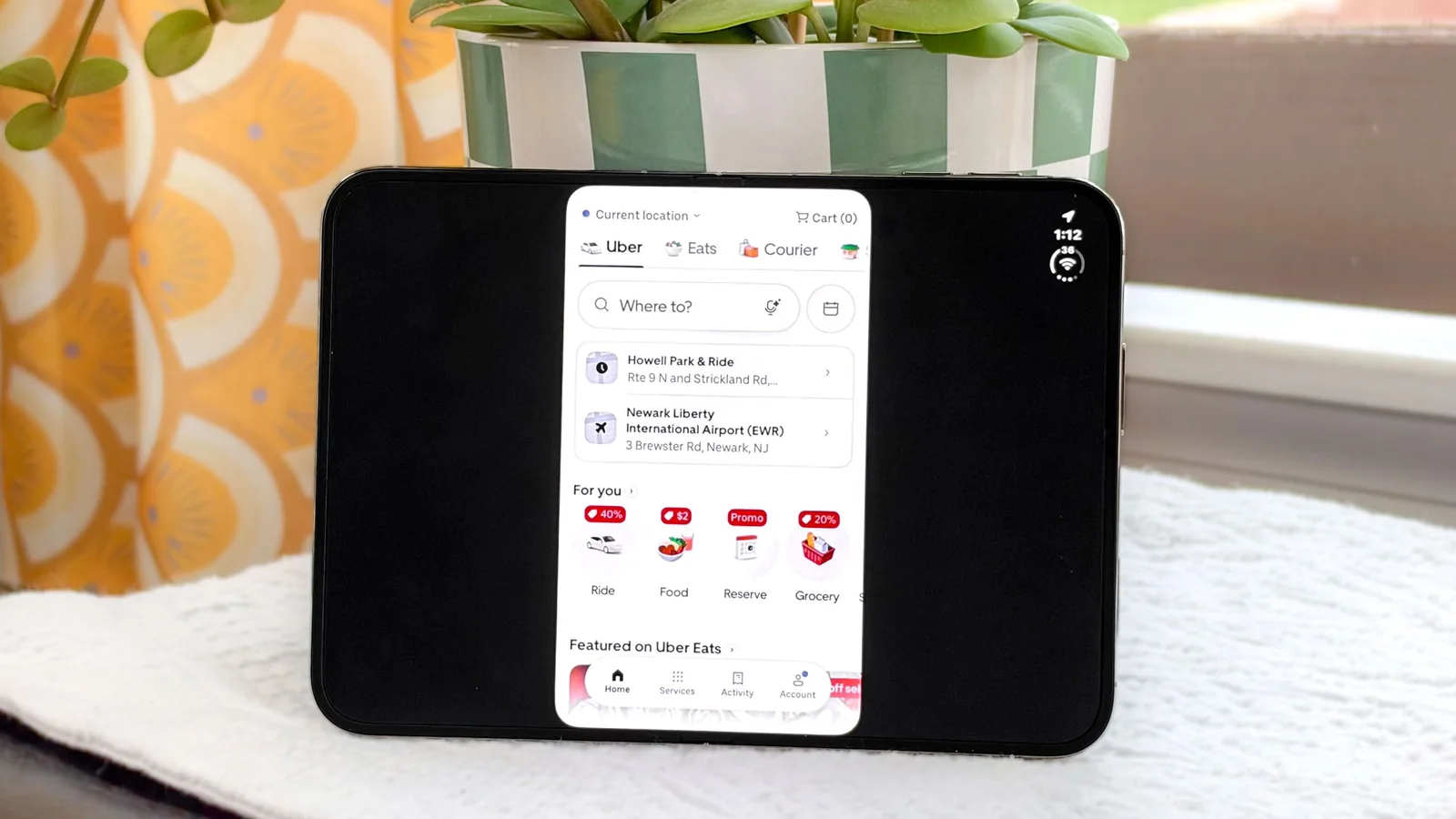
When I first read reviews of the iPhone Duo, I was struck by complaints that the cover display felt too small. After a week and a half using the device, I understand the sentiment. Apps that feel comfortable on Samsung’s or Xiaomi’s foldables often feel cramped on the Duo, largely due to a right-hand rail that many apps fail to utilize effectively.
I’ve reviewed almost every Android foldable this year — here’s how the iPhone Duo compares
Apple’s first foldable matches its Android rivals in a few key areas, but it falls short in others.
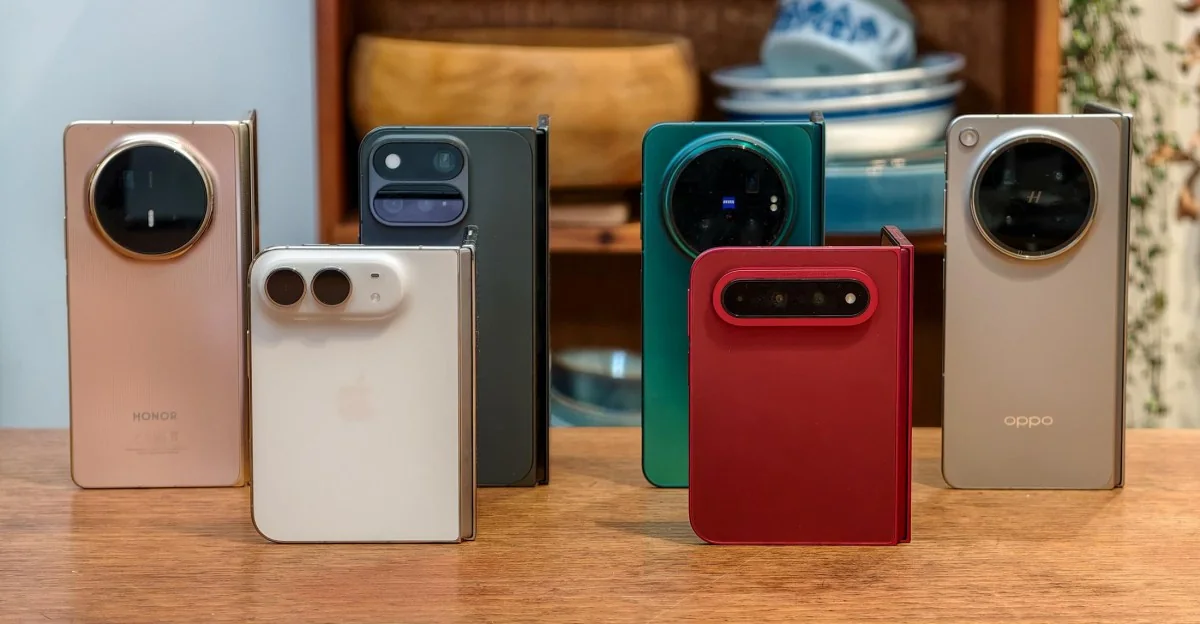
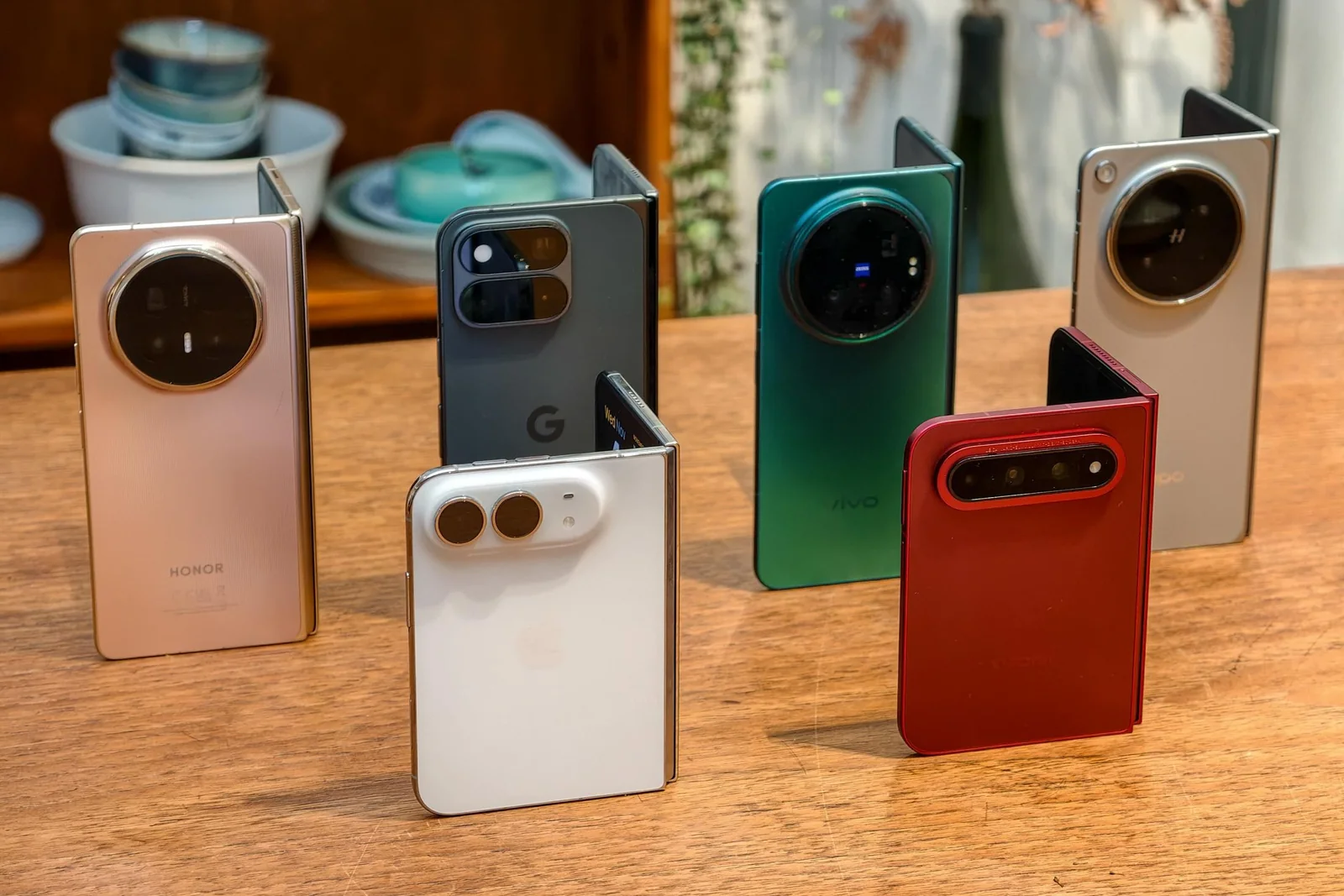
These aren’t even all the foldables in my house right now.
That’s just one of the ways that Apple’s first foldable feels fundamentally different from the Android alternatives. I’ve reviewed almost every Android foldable that was released this year, from Samsung and Google to Honor and Oppo, and I’ve been surprised to realize that the Duo holds its own against them all on hardware, but is let down by iOS itself.
For now at least, Android is slicker for folding phones — though I don’t know how long that will last.
Hardware and Build
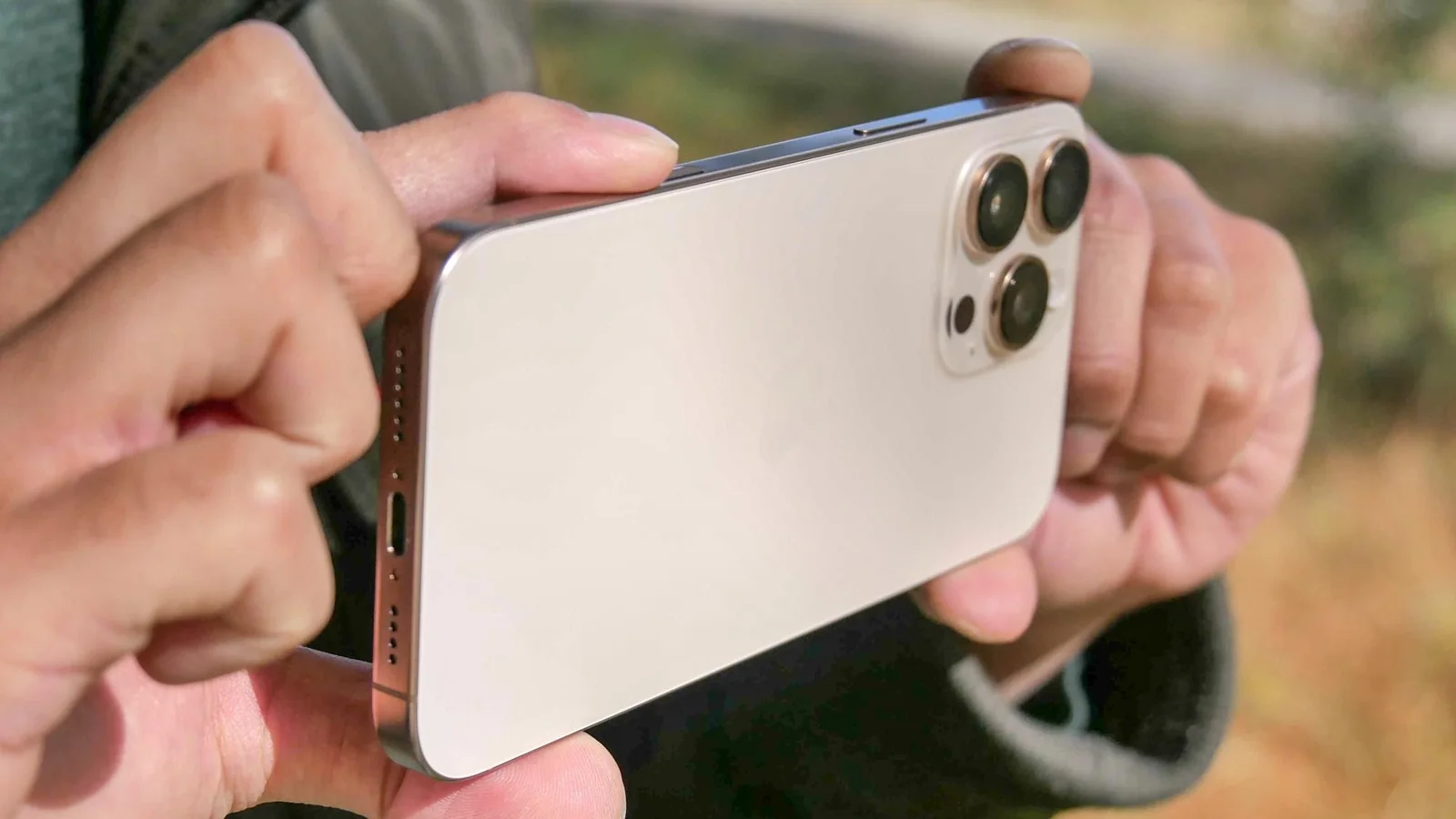
The iPhone Duo feels great. Its curved frame and Ceramic Shield back have that ineffable Apple feeling, a sense of polish that helps justify the $2,000 price tag. The hinge in particular is satisfyingly smooth, closing and opening with a comforting magnetic click. Compared with the Galaxy Z Fold 8 or Xiaomi 18 Fold, the Duo just feels better.
But part of that is down to the Duo’s big drawback: its weight. It weighs more than all of its rivals — even ones with larger screens — and any attempt to use the Duo one-handed makes that obvious quickly. It’s a little thicker than some other foldables, too, though in practice that bothers me far less.
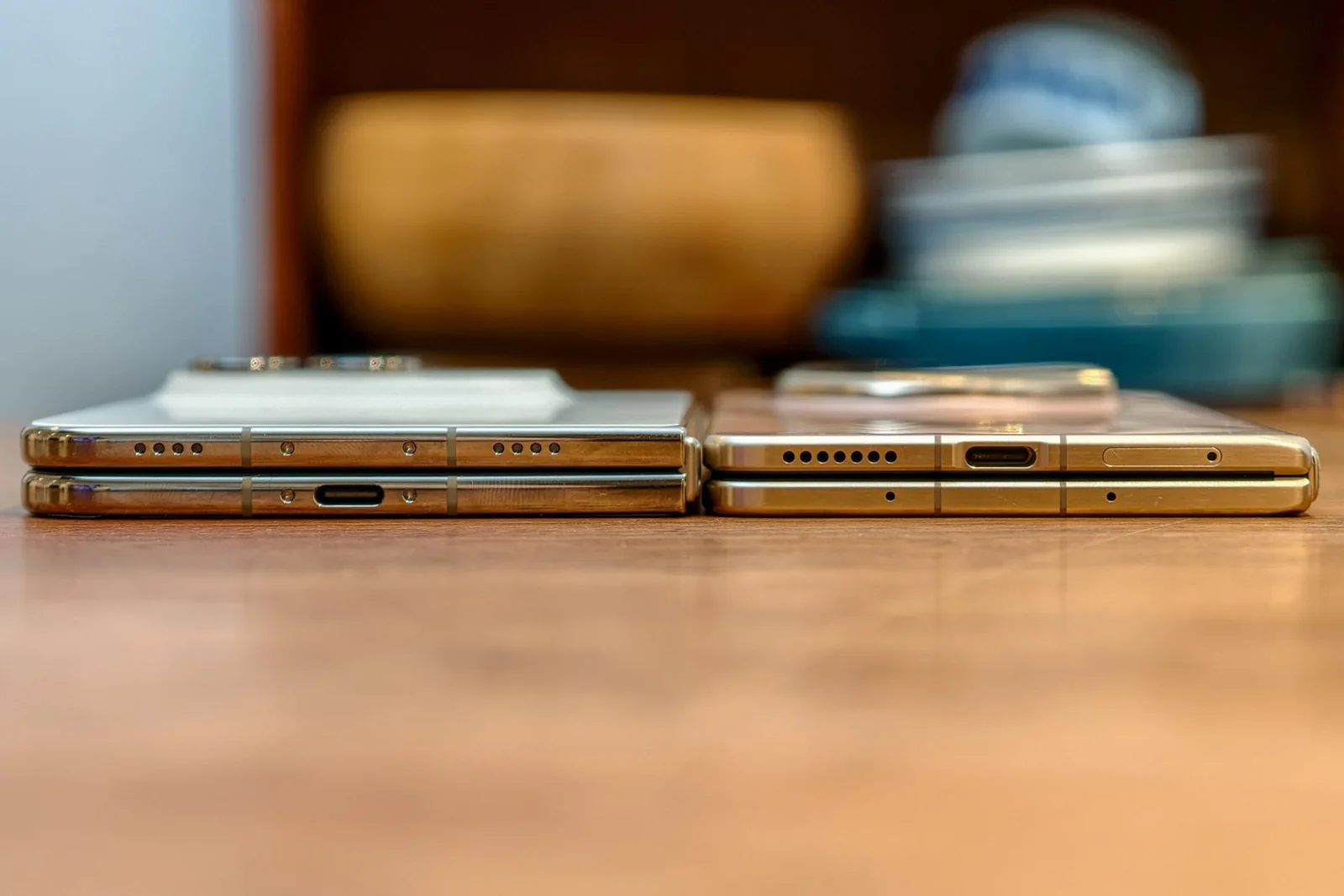
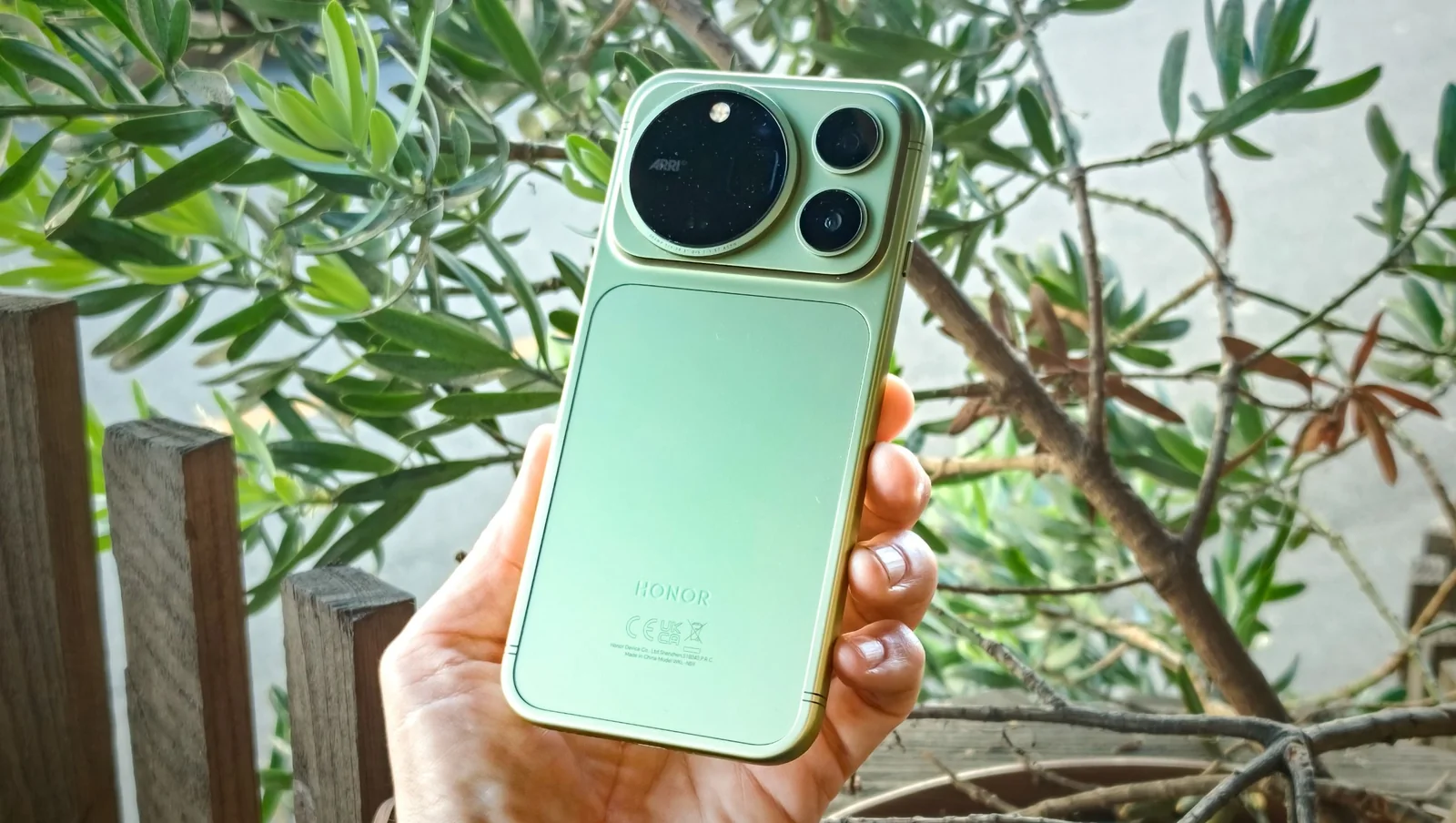
Honor’s Magic V6 is the thinnest foldable around, but not by enough to really matter.
The squat shape won’t be for everyone. The Duo is even shorter and wider than the Z Fold 8, though almost identical in dimensions to Xiaomi’s 18 Fold. I’m a fan of this design, which is both cute and comfortable when folded shut and gives you a natural choice of portrait or landscape orientations when open.
And while the Duo’s IP68 rating is an obvious advantage over much of the competition, we’ve not seen many recent Android foldables struggle with hinge and display damage quite like the Duo. It’s a reminder that the Duo is still a first-gen product while some Android rivals are into their eighth iteration.
Display Technology
The screen is the Duo’s smartest hardware trick, and easily my favorite thing about the phone compared with other foldable phones. No rival offers anything like the “nano-texture” (read: matte) finish on the inner screen, which is easy on the eyes in more ways than one.
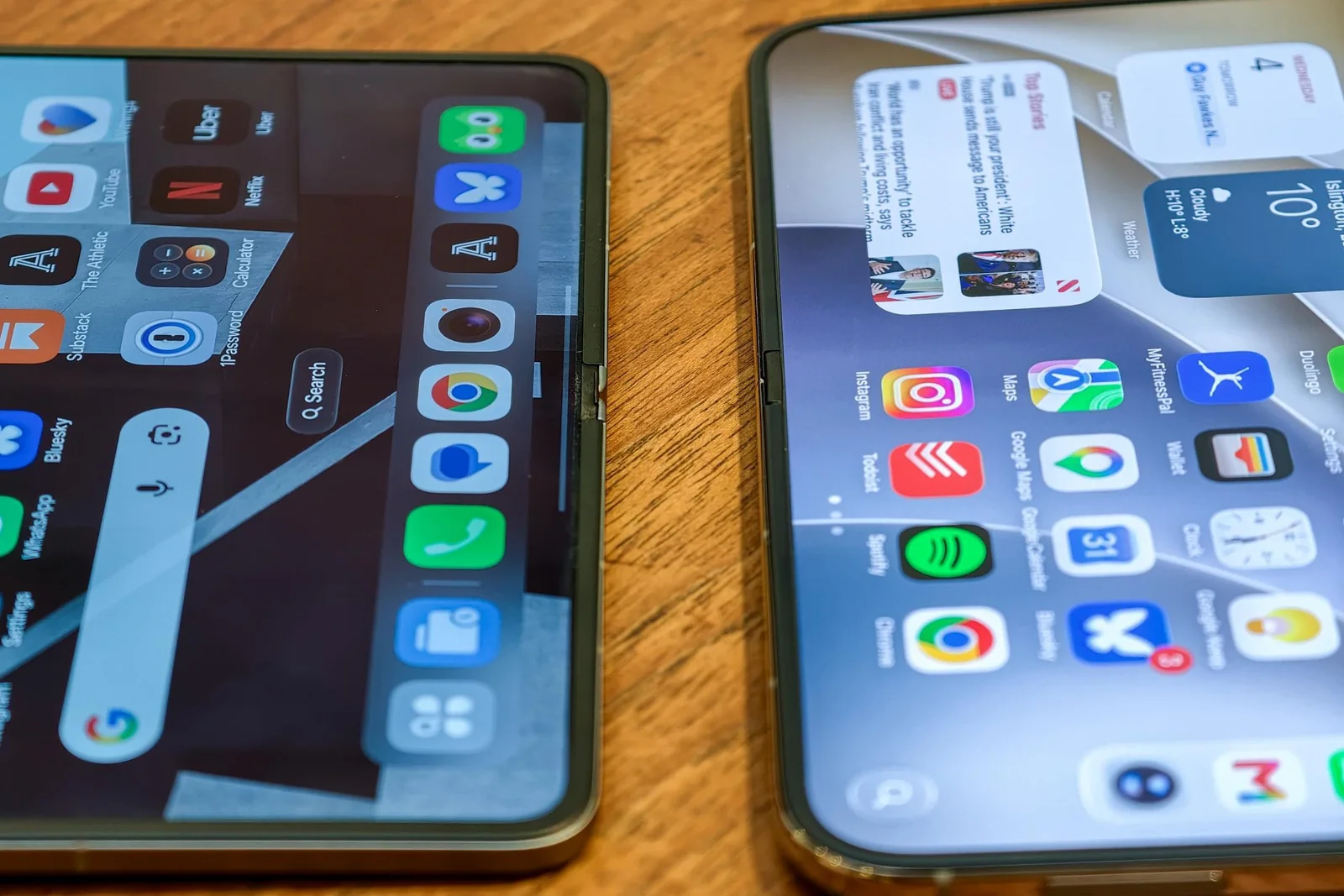
The Duo’s crease is about as hard to spot as the Oppo Find N6’s.
Crucially, it also helps mask the phone’s crease, which isn’t quite invisible but is well-hidden. The Duo’s crease is somewhere in the middle of the Android pack: subtler than Google’s and Honor’s, more obvious than Samsung’s. Oppo’s near-invisible crease remains the best, but not by much.
I’d actually say the Duo’s under-display camera is more of an annoyance. It’s not only inside an extra-pixelated circle of screen, but that’s the only patch without the matte coating, which makes it a little more distracting.
Finally, the Duo benefits from stylus support, letting you use a USB-C Apple Pencil on the central screen. This isn’t unique, but plenty of the current Android crop don’t offer the option.
Camera and Battery
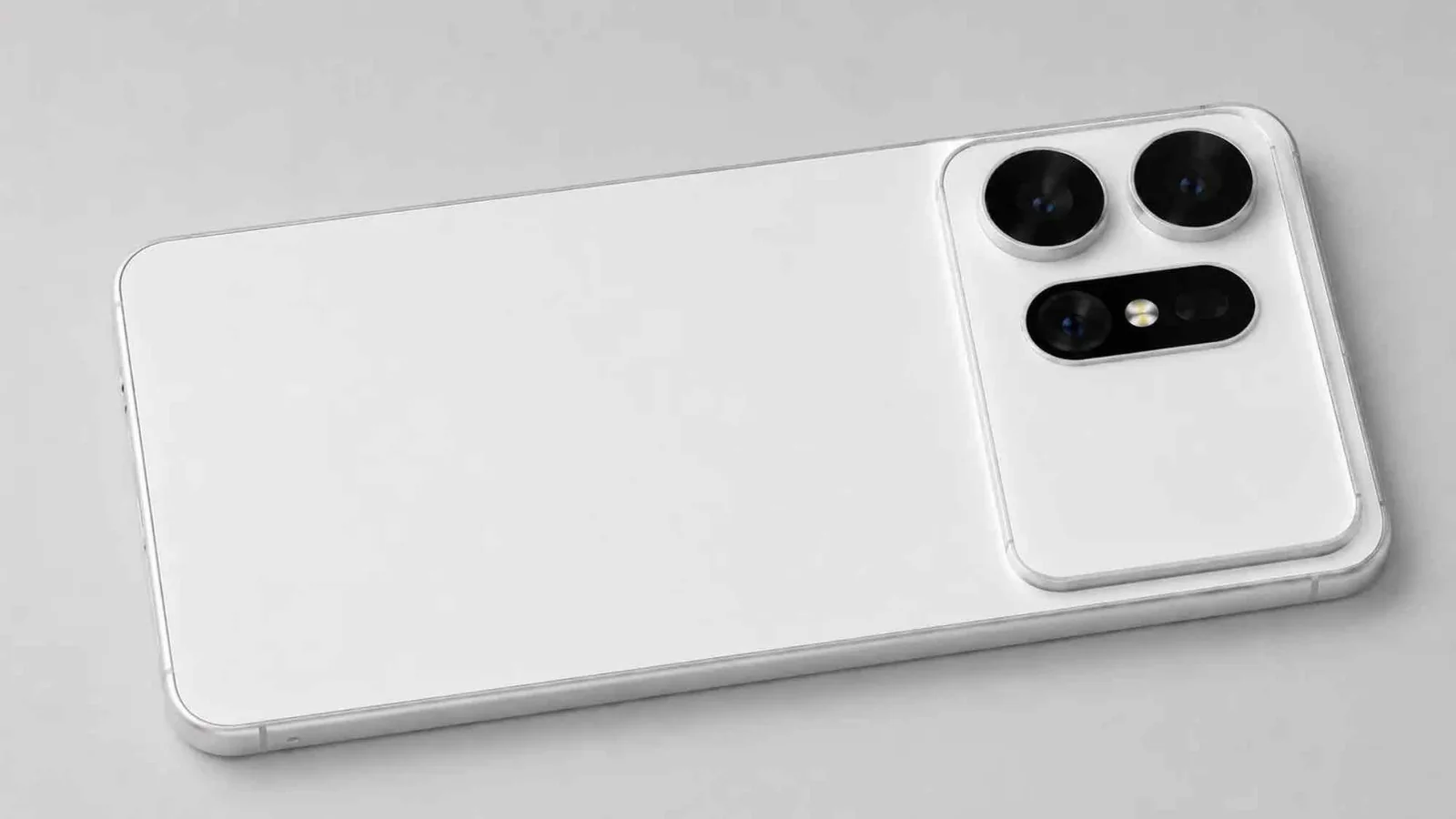
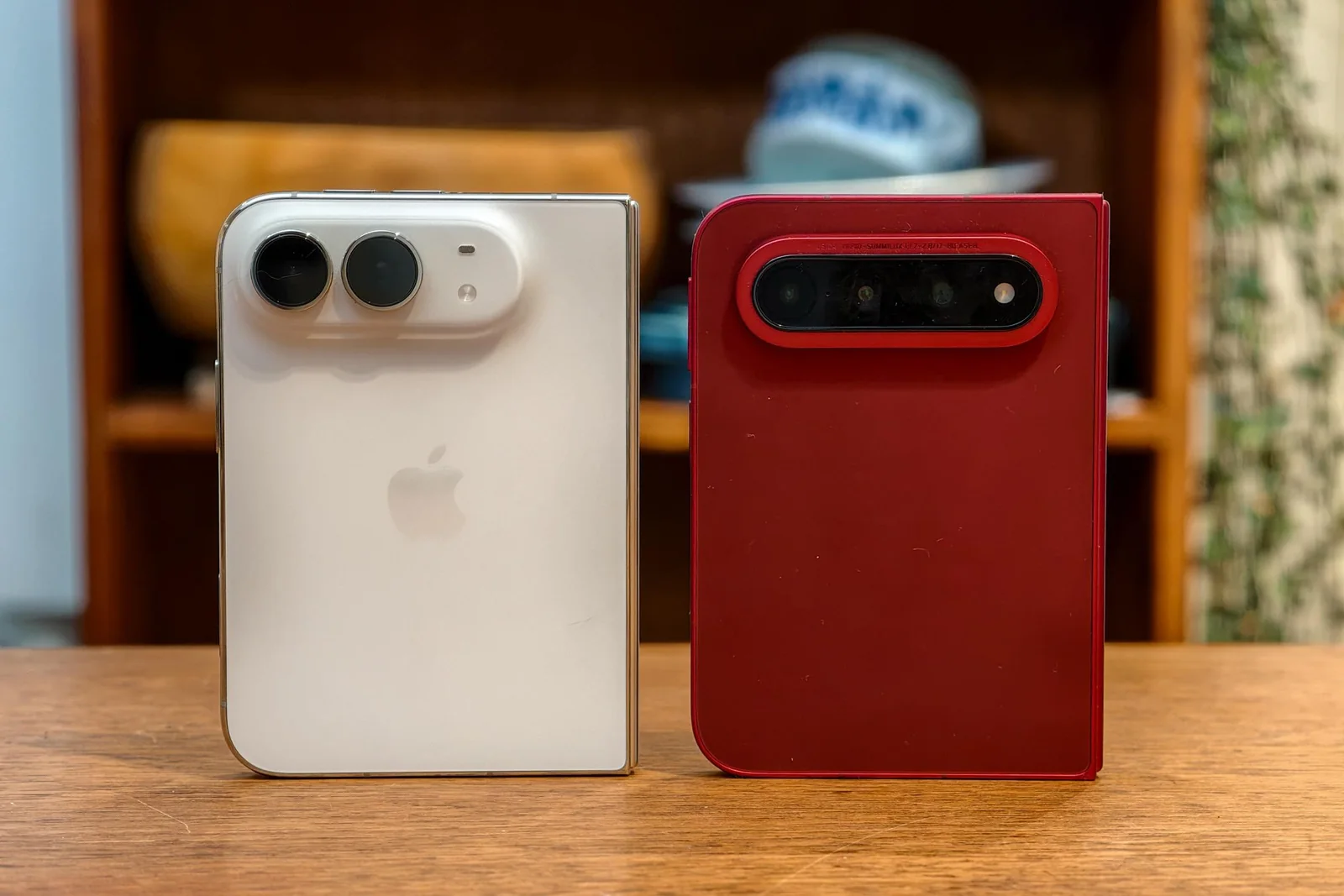
Despite being the same size, Xiaomi’s 18 Fold fits in a triple rear camera.
The iPhone Duo’s cameras, like those on most foldables, are fairly basic, with a pair of 48-megapixel rear lenses. It’s a setup comparable to the Z Fold 8. Most other Android foldables instead offer triple rear cameras, netting you a big boost in photographic flexibility.
As for selfies, the front-screen camera is pretty basic, but you can take better shots using the rear cameras by opening the phone up and flipping it round.
As for battery, I’ve mostly found it long-lasting, easily running a full day of mixed use. It’s got a higher capacity than either of Samsung’s foldables, though it pales in comparison to the two-day battery of Honor’s Magic V6.
Software and Multitasking
On hardware alone, the Duo holds its own.
So far, the Duo looks like a competitive foldable, albeit a little middle-of-the-pack. It beats its rivals in some hardware areas, falls behind in others, and has one truly unique selling point in the matte foldable display.
Unusually for Apple, the software is what lets it down.
The biggest problem isn’t Apple’s own software, but everyone else’s: Most apps still aren’t optimized for the Duo. In the best case, that means apps that don’t make full use of the Duo’s new right-hand rail, showing an empty black bar instead of app controls.
This will improve with time. Some are already better on the Duo: Slack uses a helpful desktop-style two-column layout, while on Android foldables you just get the mobile UI but bigger.
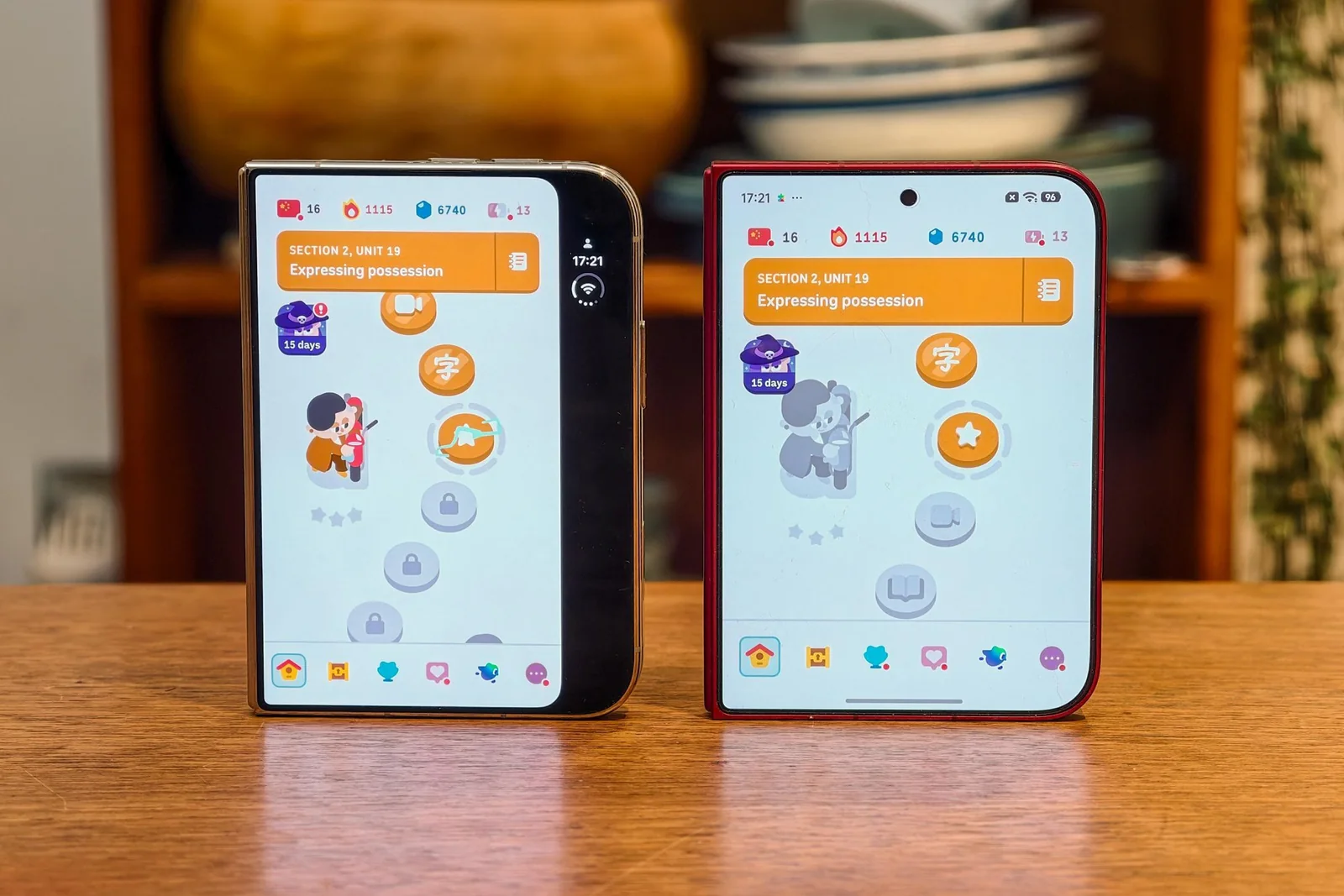
The Xiaomi 18 Fold makes full use of its cover screen, though different app scaling can affect how useful that is.
OS-level improvements are harder to predict. At first I loved the idea of Apple moving key controls to the right-hand edge, but it takes up so much space that it leaves the Duo’s cover screen feeling smaller than it needs to.
And this is partly the Android user in me, but the lack of a persistent back-swipe gesture seems to grate more on the Duo than on other iPhones. Being able to swipe back from either side of the screen gives Android foldables a huge advantage in one-handed use.
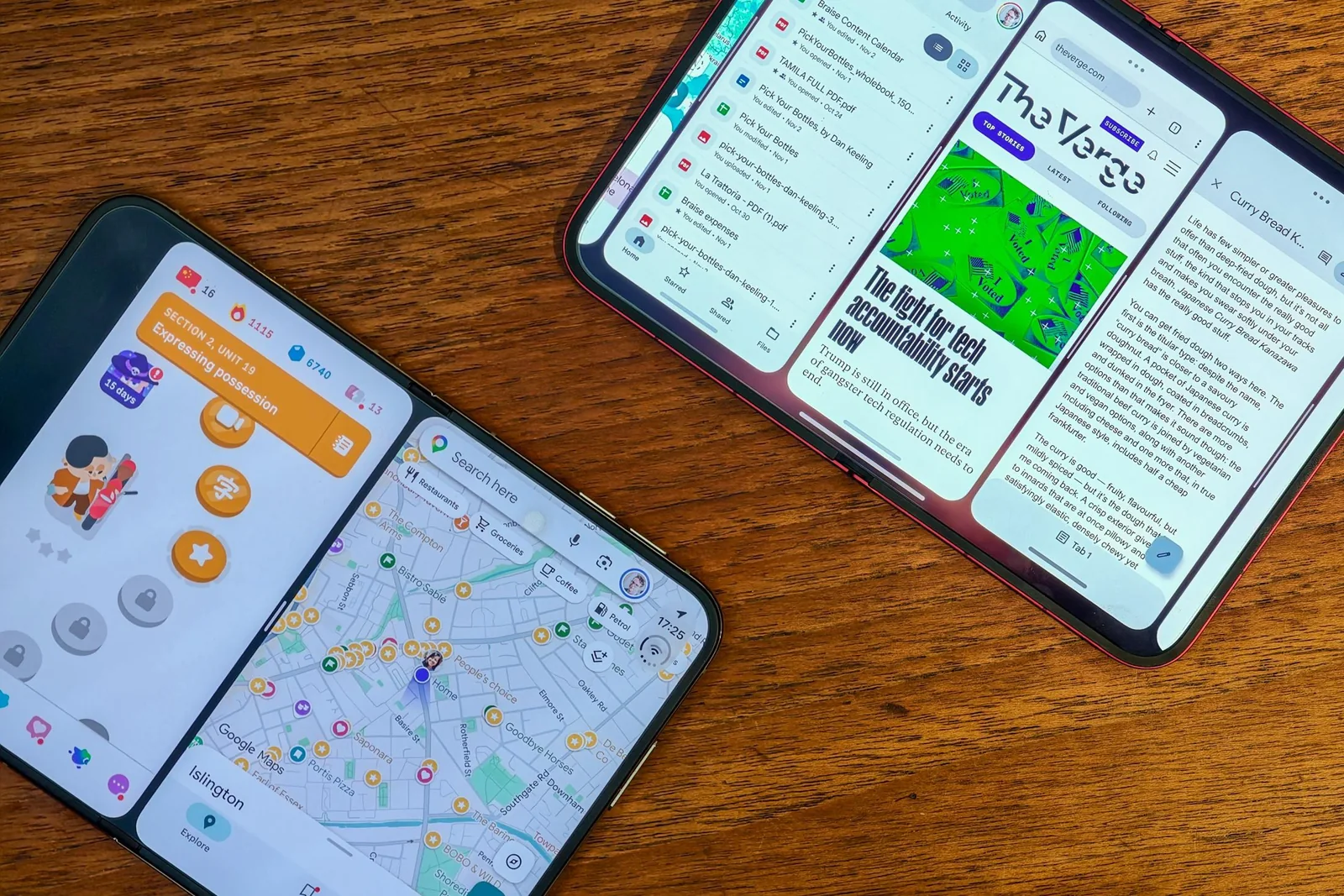
Xiaomi’s 18 Fold has substantially more flexible multitasking than the Duo.
As for multitasking, the Duo is well behind the competition. You can run two apps at once in split-screen, but only in landscape mode, and each must take up exactly half the display. Compare this to Oppo, which allows you to fluidly move between multiple split-screen apps and floating windows.
Apple hasn’t waded into the foldable market and fixed all its flaws. Many Android rivals are still lighter, and thinner, and have subtler creases than the Duo, or bigger batteries and better cameras. In broad strokes, though, this hardware is up to scratch.
For now, though, Android has the software edge. Google has worked hard to make its OS adaptable to various screen sizes so most apps take full advantage of the bigger inner screen while individual OEMs have designed ambitious multitasking tools. That isn’t yet true for iOS.
Photography by Dominic Preston / The Verge