Widespread Ballot Opposition
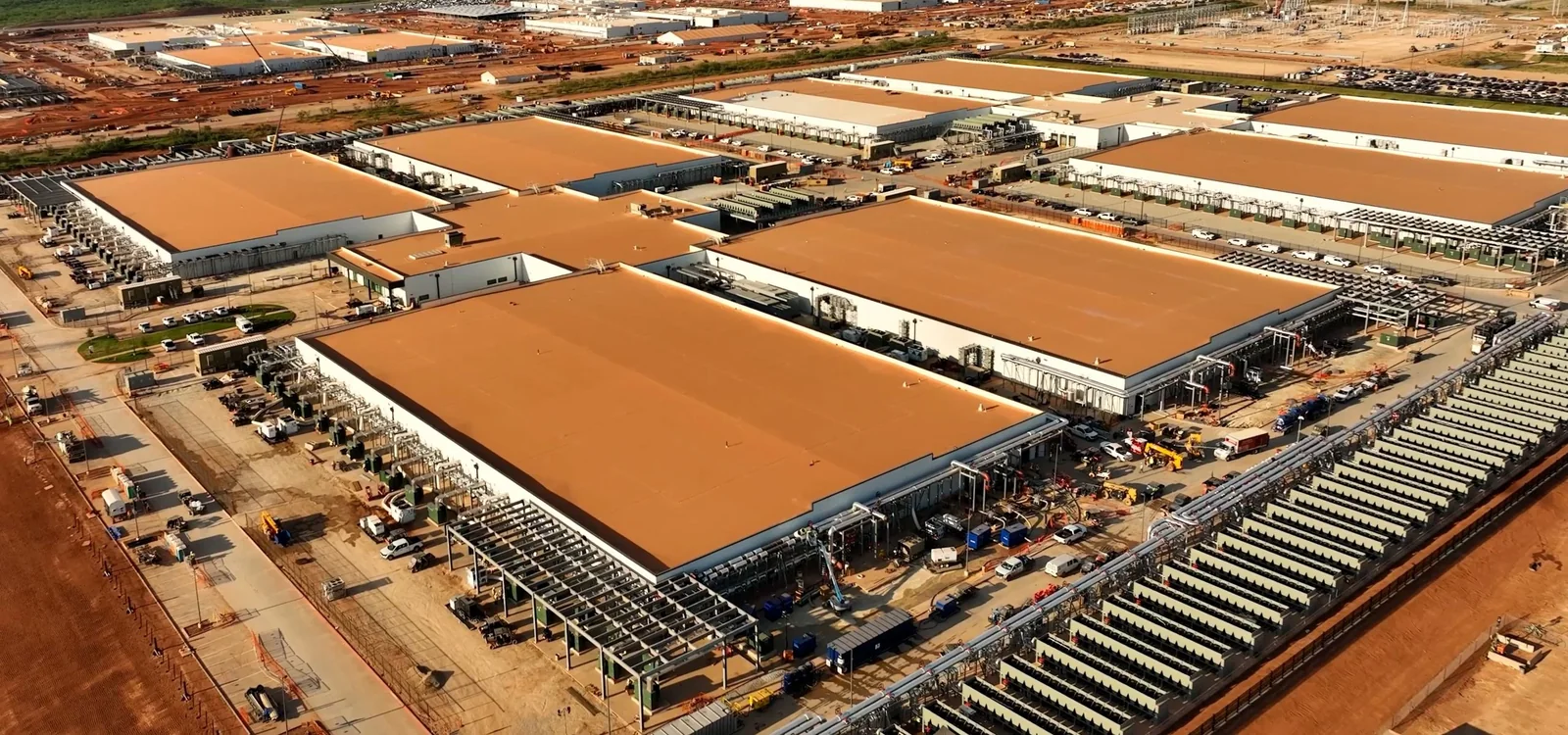
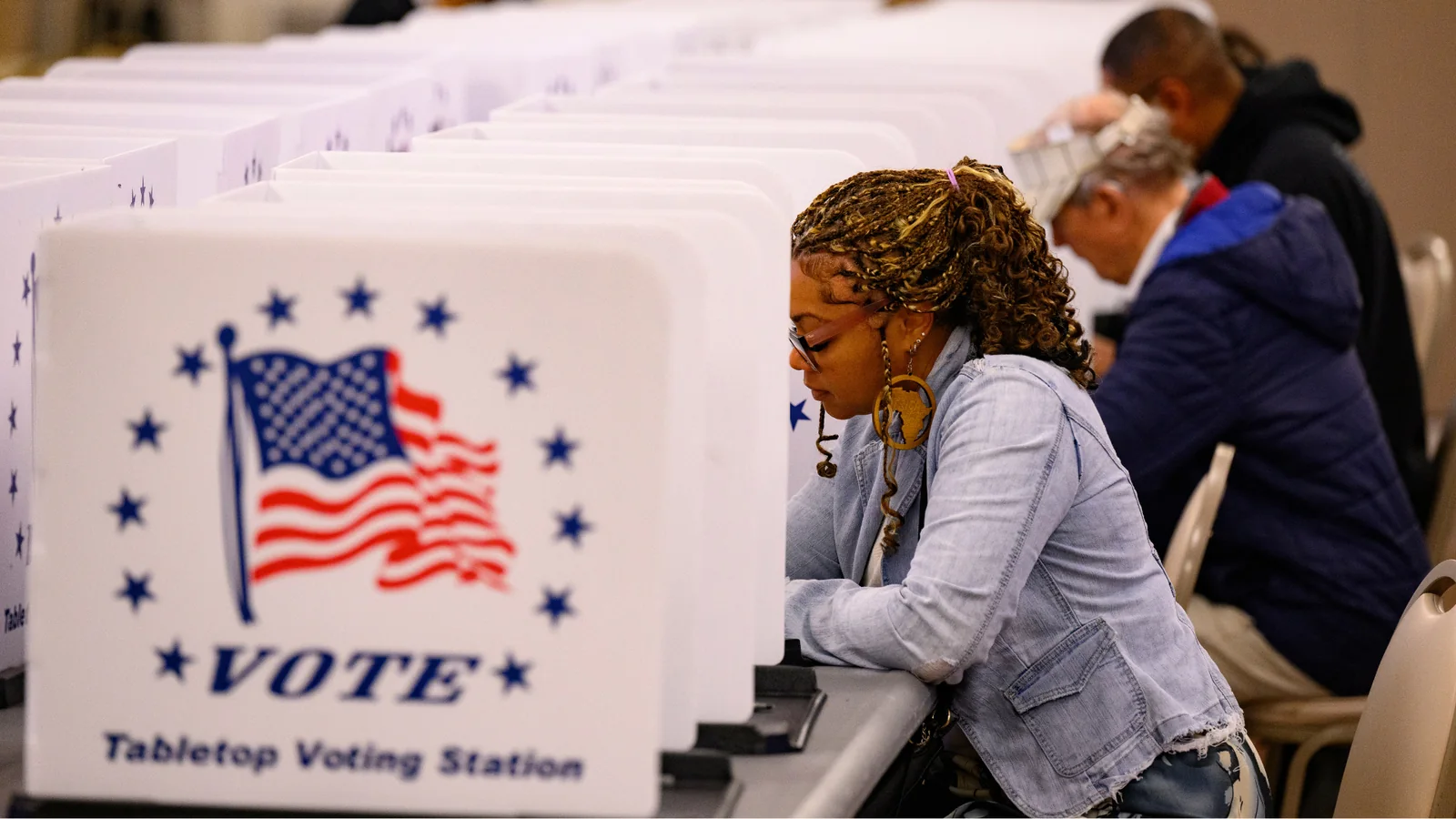
Several counties in the U.S. have put data center concerns on the midterm ballot, and early results show that Americans are overwhelmingly voting against them. According to Data Centers on the Ballot, 33 measures restricting data center development have already won, with six more questions leading. Only one measure in Harwood, North Dakota, which adds an extra review process for industrial projects, including data centers, has failed, while a further five have no posted results. Polls indicate that 70% of Americans oppose AI data center build-outs.
👨💻 THREAD on how data center-related ballot measures are faring tonight data centers are on the ballot in ~40 localities across 13 states, including proposed bans, votes on specific projects, and recalls of pro-data center politiciansNovember 4, 2026
Local Legislative Impact
The issues put to a vote are varied, ranging from permanent bans to moratoriums and limitations based on size or power consumption. The mid-term elections also resulted in the recall of officials in Piqua, Ohio, and Yukon, Oklahoma, who had previously supported data center projects. A tracker of 46 data center measures across 10 states reveals that of 33 measures to limit development, every single one is set to be passed, while 11 out of 13 measures intended to permit construction look set to be defeated.
Infrastructure and Future Development
Despite the overwhelming opposition, it remains unclear if these votes will affect projects already underway. Out of more than 300 local data center bans enacted across the U.S., only three developments totaling 2.3 gigawatts have been delayed, with 38 gigawatts expected to come online by 2027. Nevertheless, these votes could impact future developments as the U.S. Senate scrutinizes the industry. Companies like OpenAI and Anthropic are reportedly seeking smaller projects in the 20 to 30 megawatt range as their larger hyperscale sites face increasing local resistance.
Policy and Public Sentiment
President Donald Trump previously attempted to mitigate the impact of these facilities by requiring AI data centers to pay an energy dividend to local communities and implementing a ratepayer protection pledge. However, these efforts have struggled to sway voters concerned about utility price hikes, noise pollution, and other negative community impacts associated with large-scale data center operations.