Critical safety features every older Apple Watch user should configure
From urgent assistance requests to daily pill schedules, modern smartwatches offer robust support for aging individuals seeking to maintain active lifestyles.
Smartwatch adoption spans all demographics, avoiding the stigmatized appearance of traditional medical alert pendants. Research organizations note that maintaining autonomy remains a primary goal for aging populations, and wearable tech provides discreet assistance without compromising personal identity.
The prospect of prolonging self-sufficiency through consumer electronics appeals greatly to active adults. Integrated movement prompts, physical activity metrics, and daily step tracking encourage consistent routines, while ongoing health research integration allows the device to assist with wellness tracking.
Authorized family members can utilize location-sharing capabilities for added peace of mind. Beyond location tracking, specific notification systems require initial setup to maximize wearer safety.
Configuring rapid emergency response tools
Wearables incorporate robust crisis management utilities tailored for mature users, including automated emergency dialing, medical identification profiles, and designated contact lists.
The emergency dispatch feature connects wearers directly to local authorities during crises. Activating this function involves holding the physical side button and interacting with the on-screen slider. Operating this capability necessitates either a cellular-enabled hardware model with active service, functioning Wi-Fi calling, or a nearby connected smartphone.
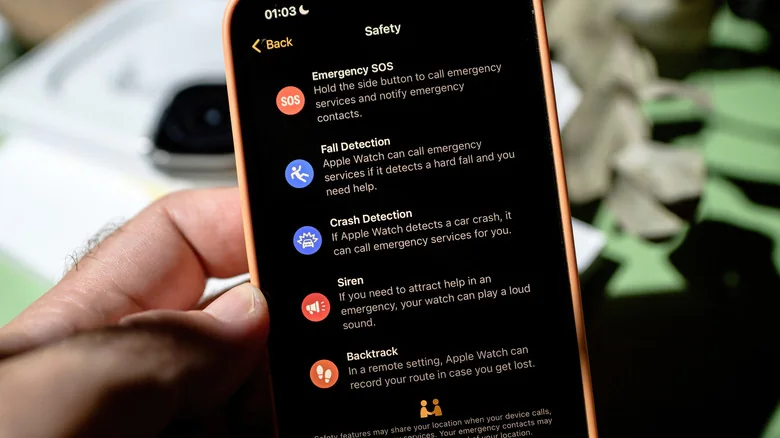
Enabling the quick-dial mechanism requires navigating through the companion smartphone application, locating the safety menu, and activating the side button dial preference.
Emergency profile data and designated contacts are managed through the mobile health utility. Users can input vital medical history, existing allergies, and primary care contacts via the profile settings. First responders frequently check these stored parameters when rendering treatment.

Utilizing automated impact and fall detection
Public health agencies report significant annual fall statistics among older demographics, with many individuals experiencing related hospitalizations. Statistical studies also indicate substantial percentages of older adults residing alone, highlighting the value of automated impact monitoring.
Impact detection initiates automatically based on the user's registered birthdate within the health profile. When active, the system contacts emergency services if internal hardware sensors register a hard impact followed by prolonged physical inactivity.
Following an impact event, an on-screen confirmation prompt appears. Failure to dismiss the notification or request cancellation results in an automatic call to emergency dispatch. Activation can be verified through the device safety settings.
Vehicle impact monitoring functions similarly for severe automotive accidents on compatible hardware versions and can be enabled through the primary safety configuration menu.
Monitoring cardiovascular metrics and rhythm irregularities
Cardiovascular conditions account for substantial medical emergencies nationwide. While consumer wearables do not diagnose clinical heart events, continuous pulse tracking helps identify potential rhythm irregularities like atrial fibrillation.
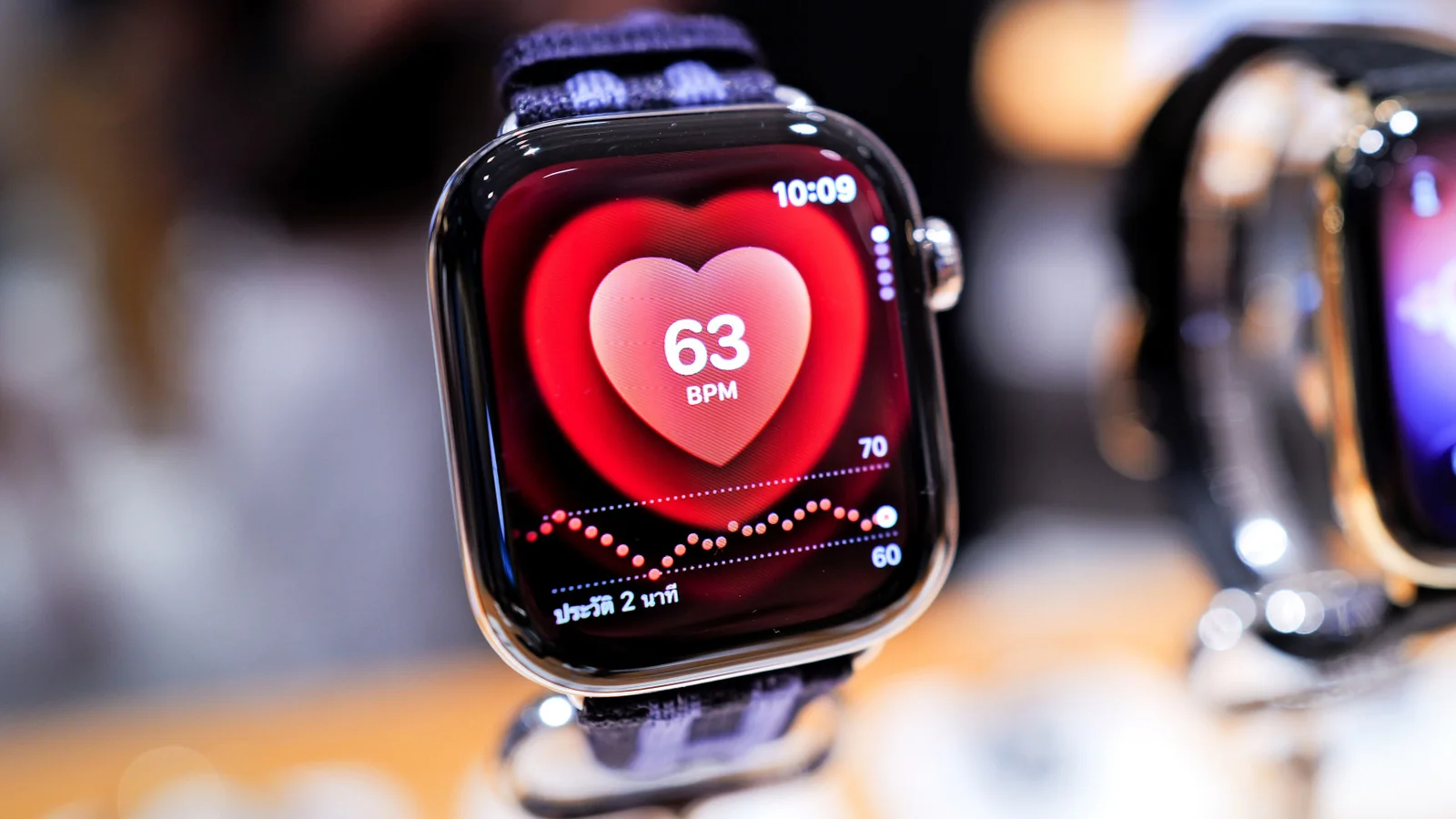
Optical sensors on the rear casing measure pulse rates continuously in the background. Users can also record single-lead electrocardiogram readings to check for rhythm signs by resting a finger on the digital crown for thirty seconds.
Customizable notifications warn users if pulse rates drift outside specified high or low boundaries. Recorded metrics synchronize with the mobile health suite, generating cardiovascular fitness estimates over time.
Cardiovascular monitoring parameters are managed directly within the wearable device system preferences under heart settings.
Setting up pharmaceutical schedules and reminders
Adhering to daily prescription regimens is simplified through built-in reminder tools. Users can input pharmaceutical details, establish dosing timelines, and manage schedules through the mobile health application.
Configured prescriptions trigger haptic wrist taps and visual notifications when dose times arrive, allowing wearers to maintain compliance logs for medical appointments. Additionally, integrated sleep tracking utilities can monitor breathing disturbances for later clinical review.
Leveraging auditory and visual accessibility options
Manufacturer accessibility commitments ensure inclusive design practices without additional hardware costs, supporting independent living standards across all product generations.
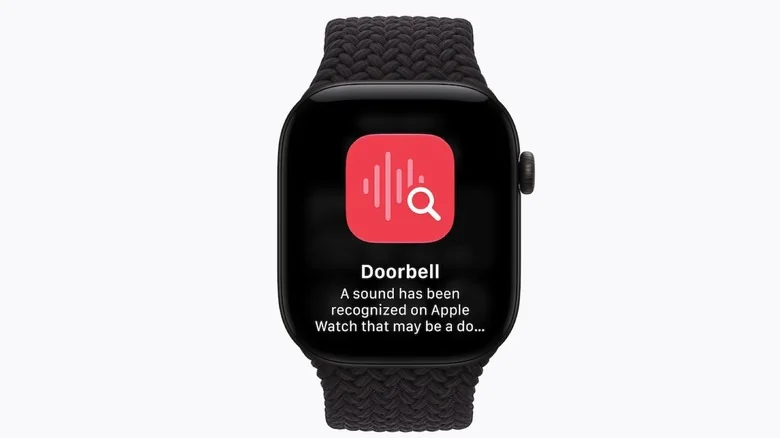
Age-related hearing changes are addressed through specialized acoustic detection tools that utilize hardware microphones to listen for environmental hazards like smoke alarms or sirens.
Acoustic monitoring preferences are configured within the mobile accessibility configuration menu by selecting specific environmental noises for the device to monitor.
Visual adjustments allow users to enlarge system interface text via the control center and digital crown rotation, ensuring comfortable legibility for individuals with low vision.